Paolo Martinuzzi. An exemplary adventure in Murano.
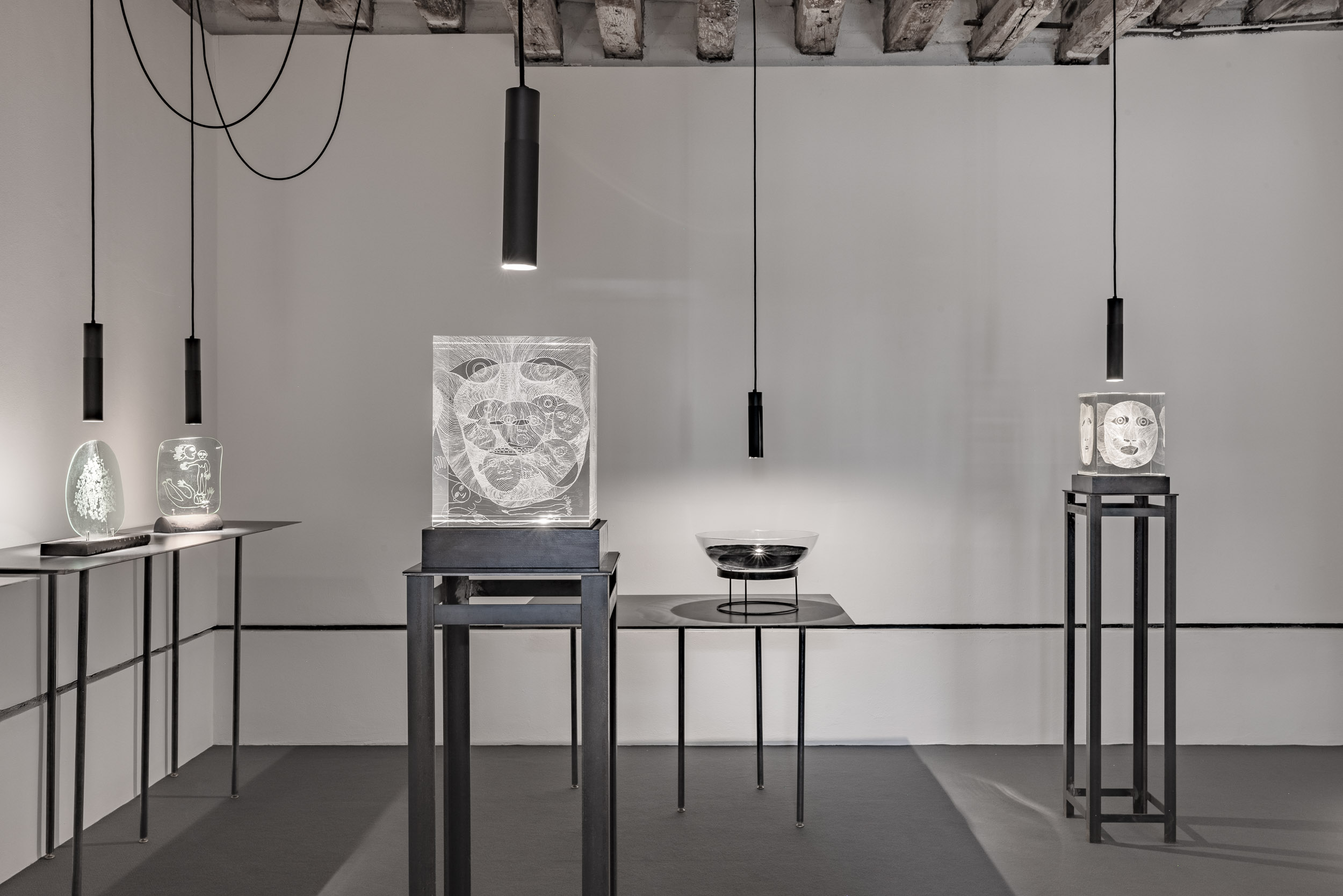
Paolo Martinuzzi (Venice IT, 1933 - Venice IT, 2015) was the first artist in Murano to work with glass for specific expressive and artistic purposes, the Italian precursor of the Studio Glass movement. Self-taught in Venice in the early 1960s, Martinuzzi opened the first artist's studio in Murano entirely dedicated to glass artworks, marking a clear break with the Murano artisan tradition. His works emerge from an independent research, free from academic models, and they place glass at the center of a visual language so essential it appears restless and profoundly contemporary.
In 1976, openly challenging the predominantly decorative approach of glass production in Italy, the artist chose to relocate his practice to Soest, Germany, where he pursued increasingly free and experimental research. His sculptures are distinguished by their dialoguing use of materials such as iron and wood, often recycled and manually transformed by him. He manages to create a formal and symbolic tension with the transparency and fragility of glass.
A distinctive element of Martinuzzi's work is its strong graphic component: deep incisions which are obsessively repeated, clean lines crisscross the glass surface, introducing a sense of restlessness and expressive urgency that brings his work closer to the realms of Art Brut. A type of art understood as a primary gesture, without any mediation, generated by instinctive impulses, by an authentic need to communicate through visual expressions.
Just as in Art Brut, Martinuzzi's work is pure and simple creative action, reinvented at every stage, far removed from the conventions of “official” art. In this arduous process, glass loses its decorative aspect to become a place of tension, memory, and new visions, the living body of the work.
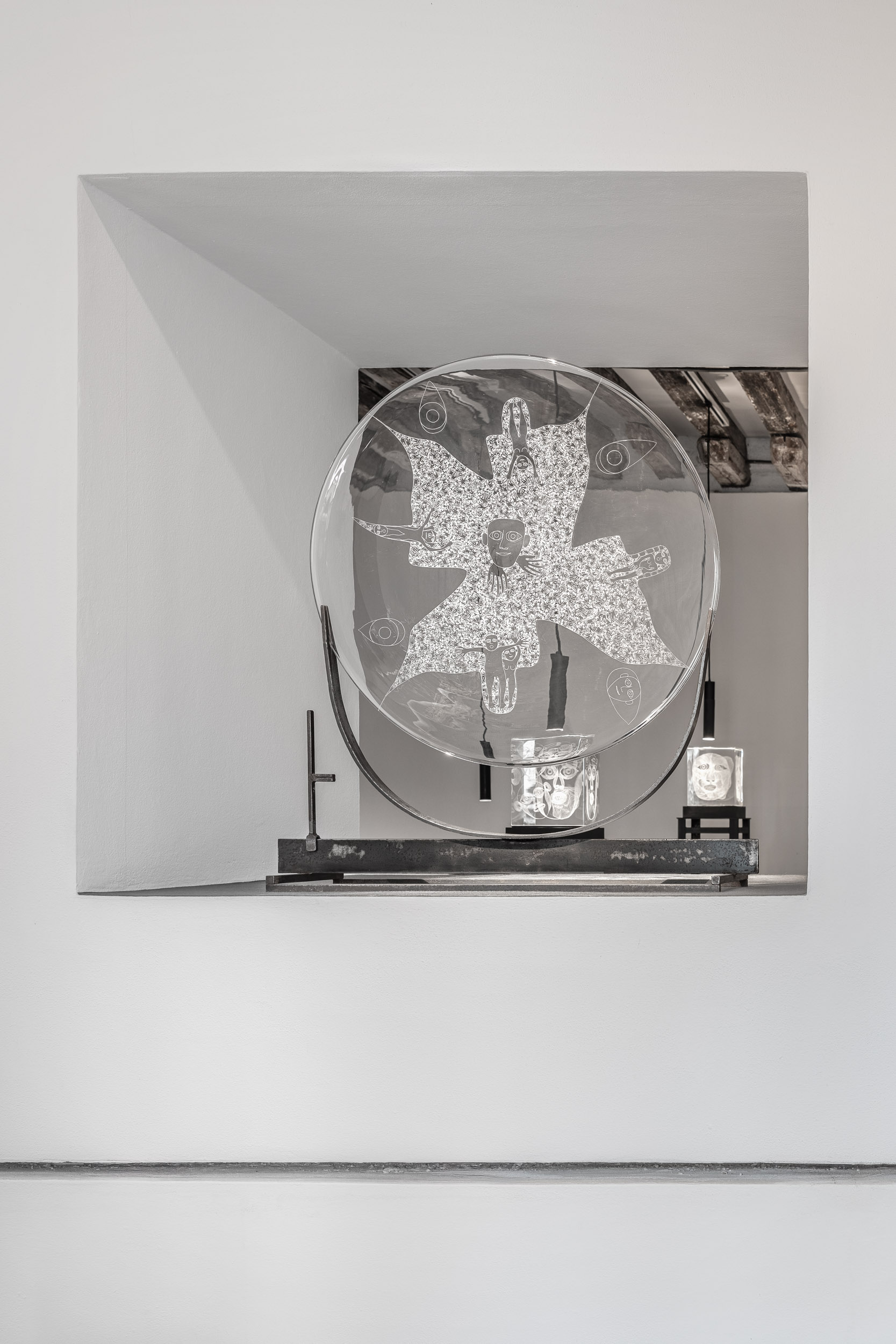
P. Martinuzzi (Venezia, 1933 – 2015), Point of view, early ‘80s, Unique piece, Blown-glass sheet, engraved with diamond pen by the artist, iron support with spotlight, Ø 80 cm (2), ph. Enrico Fiorese
Paolo Martinuzzi. An exemplary adventure. Art Brut in Murano in the '70s
Exhibition view. ph. Enrico Fiorese
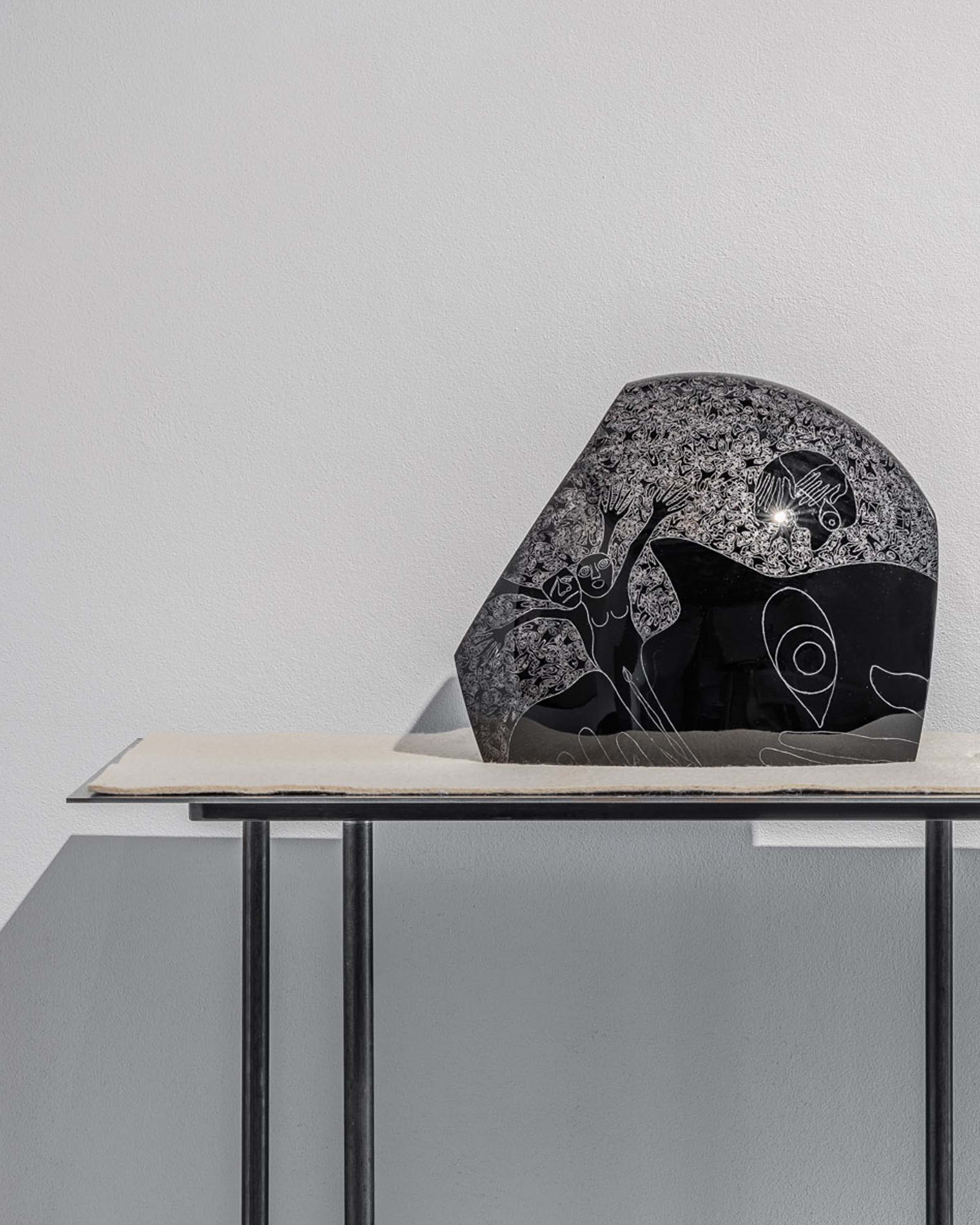
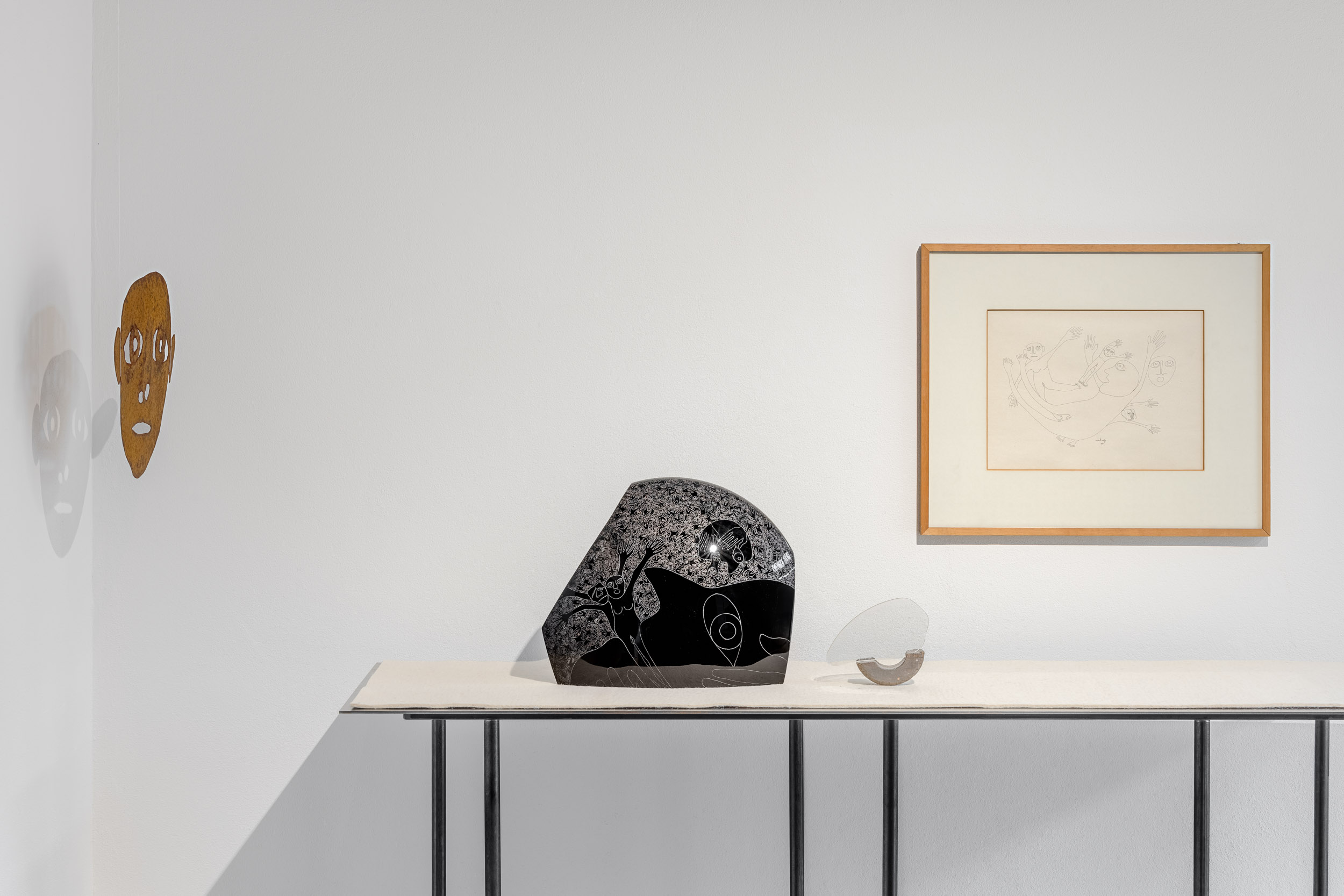
P. Martinuzzi (Venezia, 1933 – 2015), Senza Titolo, early ‘80s, Unique piece, Black blown glass, 45 × 42 × 6 cm, ph. Enrico Fiorese
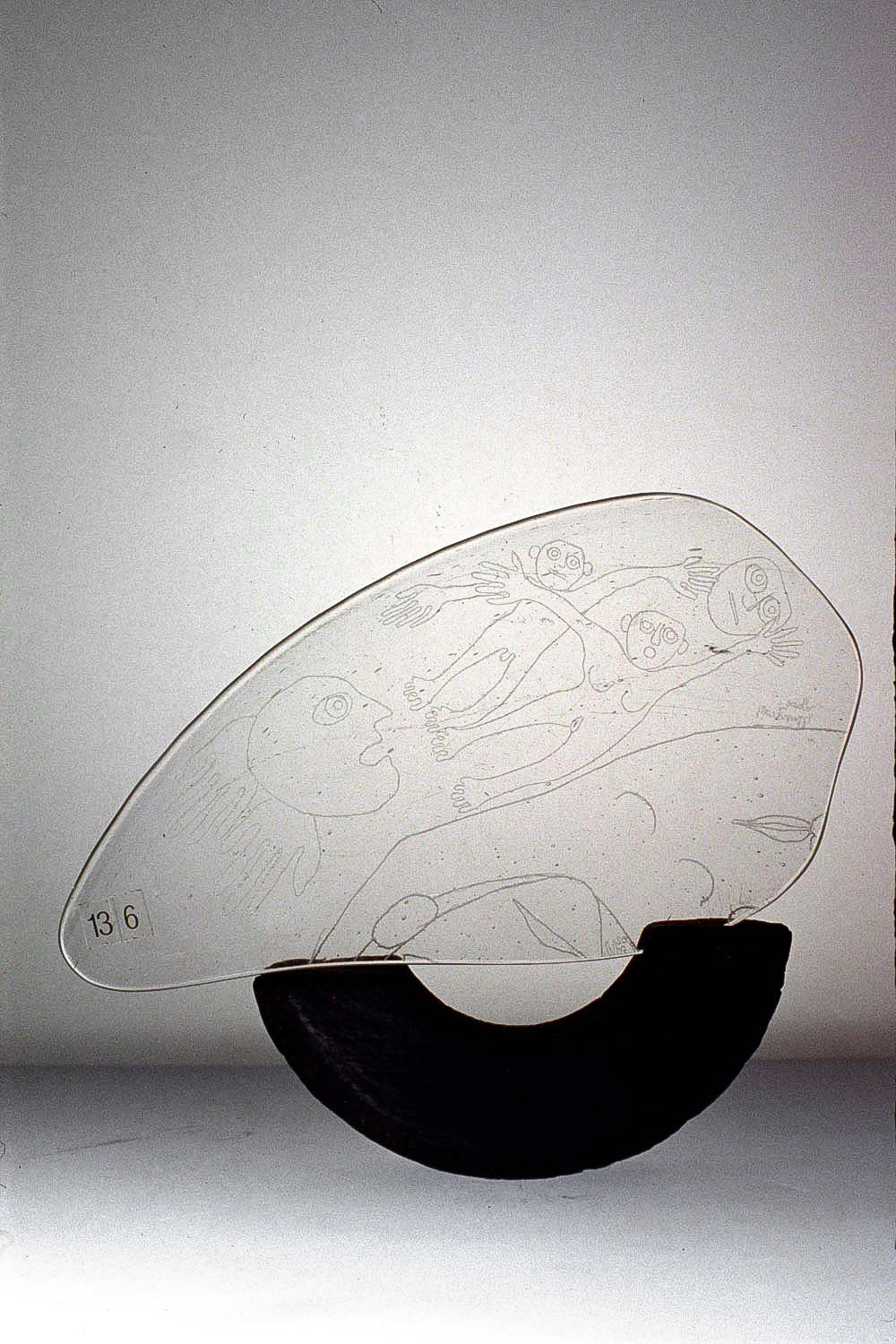
P. Martinuzzi (Venezia, 1933 – 2015), Al Vento (small), early ‘80s, Unique piece, Blown-glass sheet, engraved with diamond pen by the artist, support in wood, 18 x 15 cm, ph. Roberto Marossi
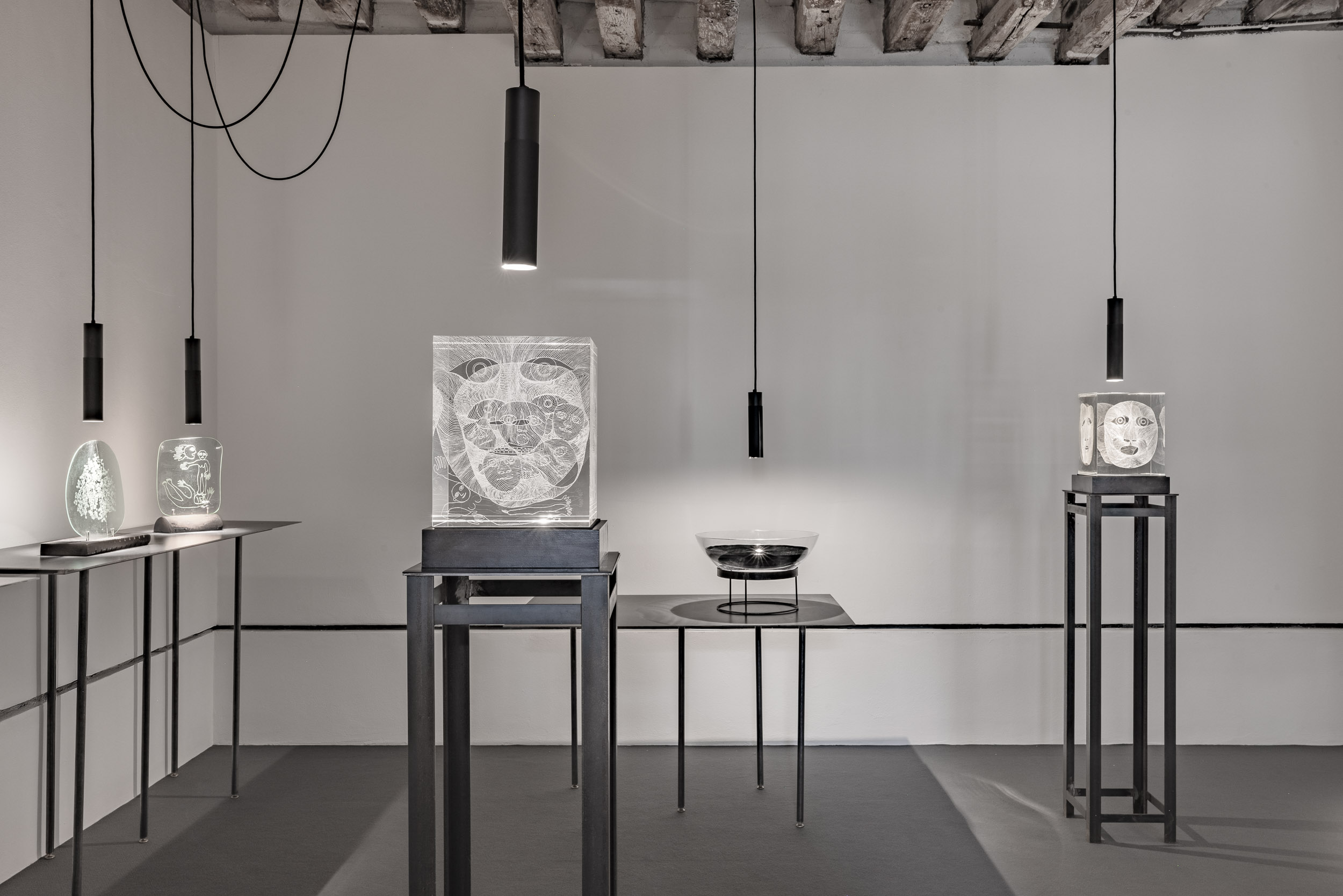
Paolo Martinuzzi. An exemplary adventure. Art Brut in Murano in the '70s
Exhibition view. ph. Enrico Fiorese
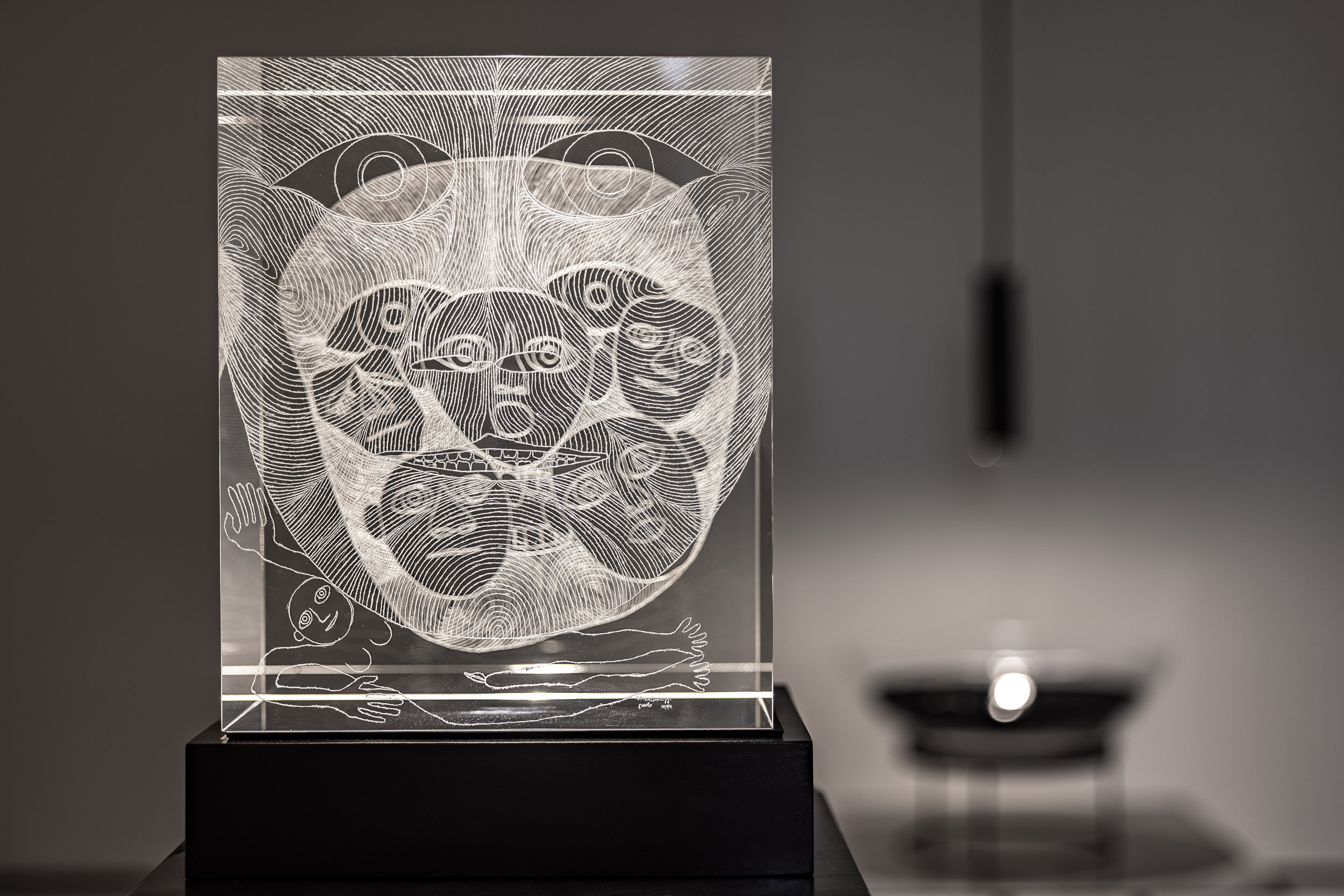
P. Martinuzzi (Venezia, 1933 – 2015), detail of Pensieri, 1994, Unique piece, Clear optical glass, cut by hand and engraved with diamond pen by the artist, 20 x 24 x 29 cm, ph. Enrico Fiorese
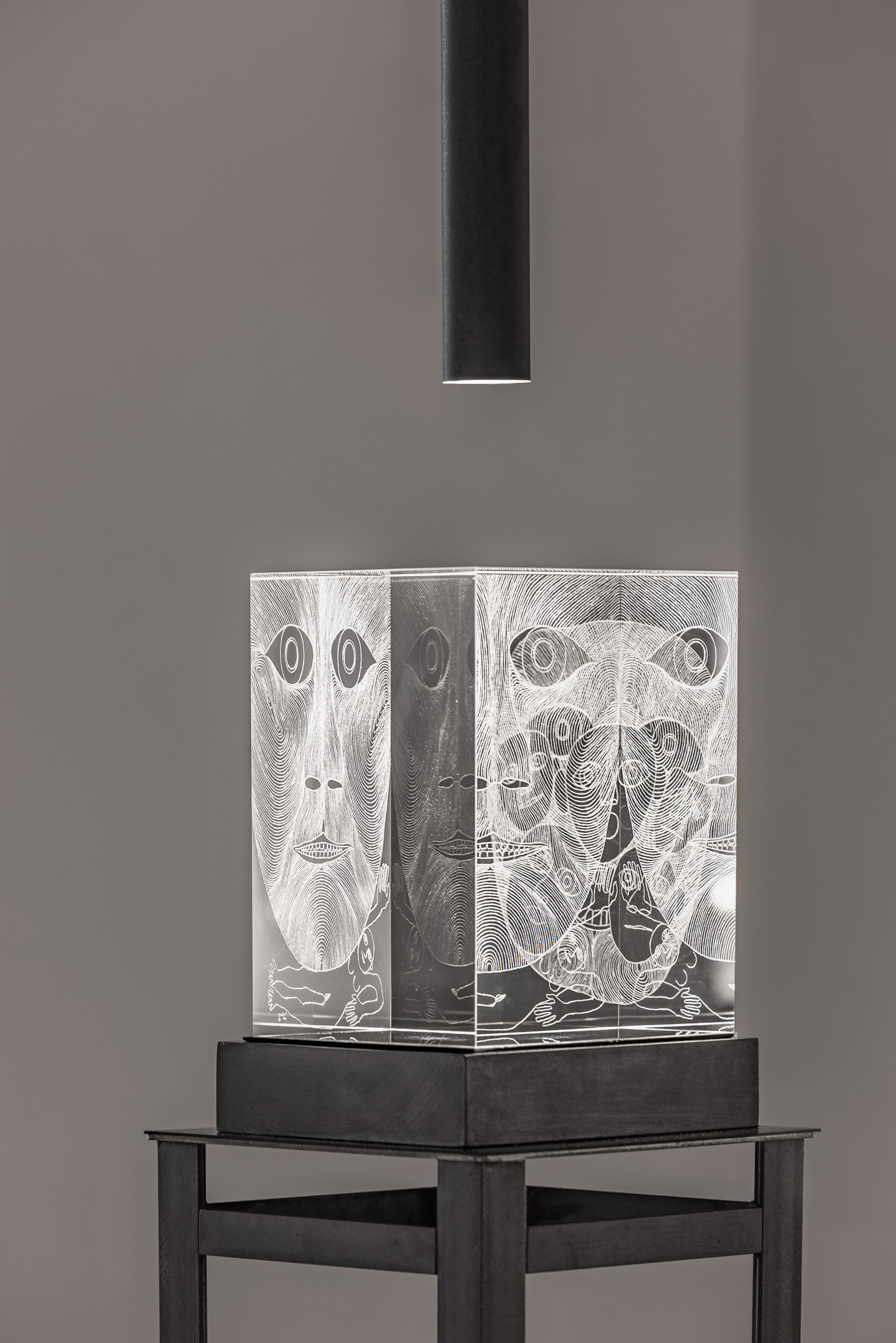
P. Martinuzzi (Venezia, 1933 – 2015), Pensieri, 1994, Unique piece, Clear optical glass, cut by hand and engraved with diamond pen by the artist, 20 x 24 x 29 cm, ph. Enrico Fiorese
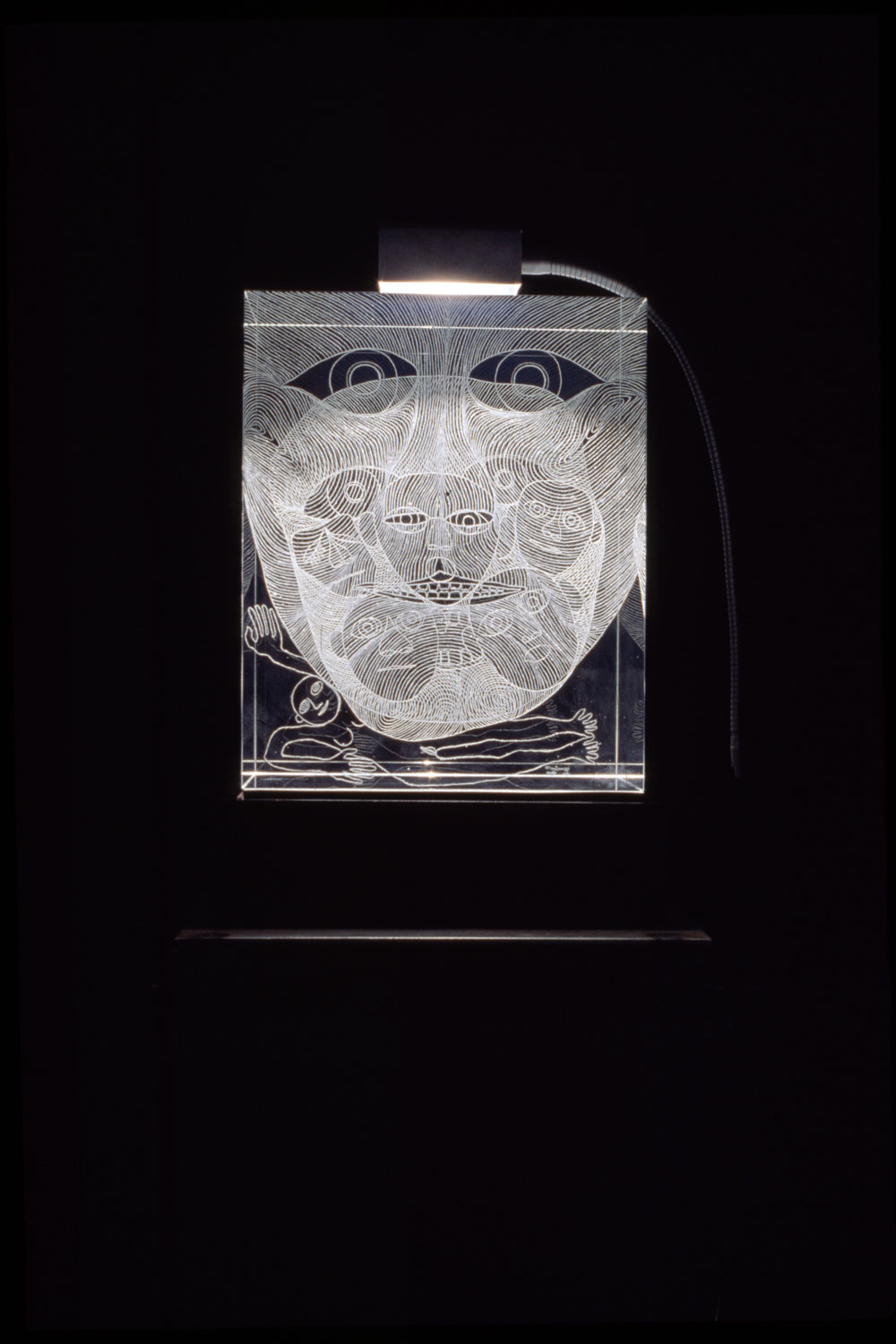
P. Martinuzzi (Venezia, 1933 – 2015), Pensieri, 1994, Unique piece, Clear optical glass, cut by hand and engraved with diamond pen by the artist, 20 x 24 x 29 cm, ph. Roberto Marossi
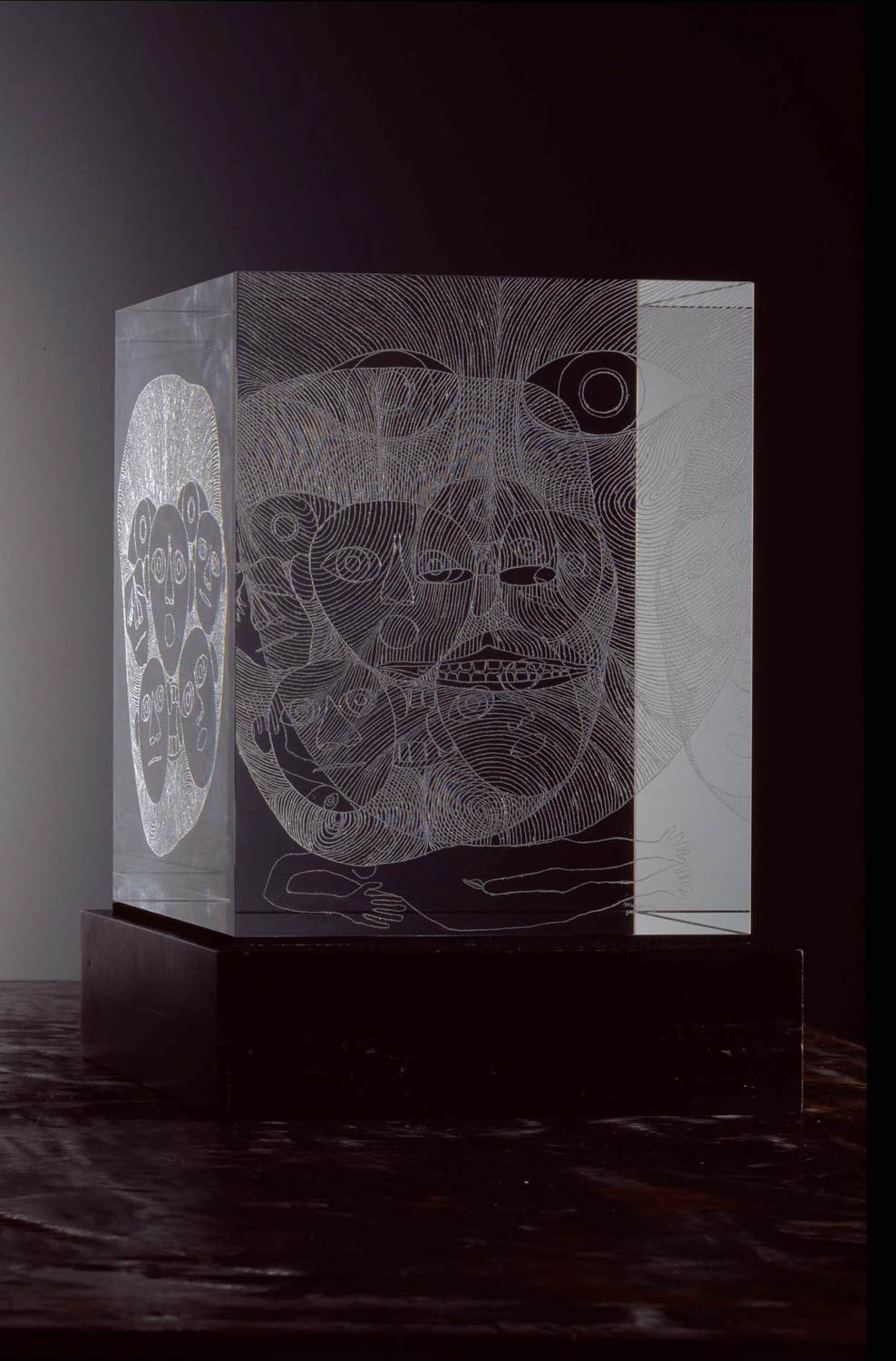
P. Martinuzzi (Venezia, 1933 – 2015), Pensieri, 1994, Unique piece, Clear optical glass, cut by hand and engraved with diamond pen by the artist, 20 x 24 x 29 cm, ph. Roberto Marossi
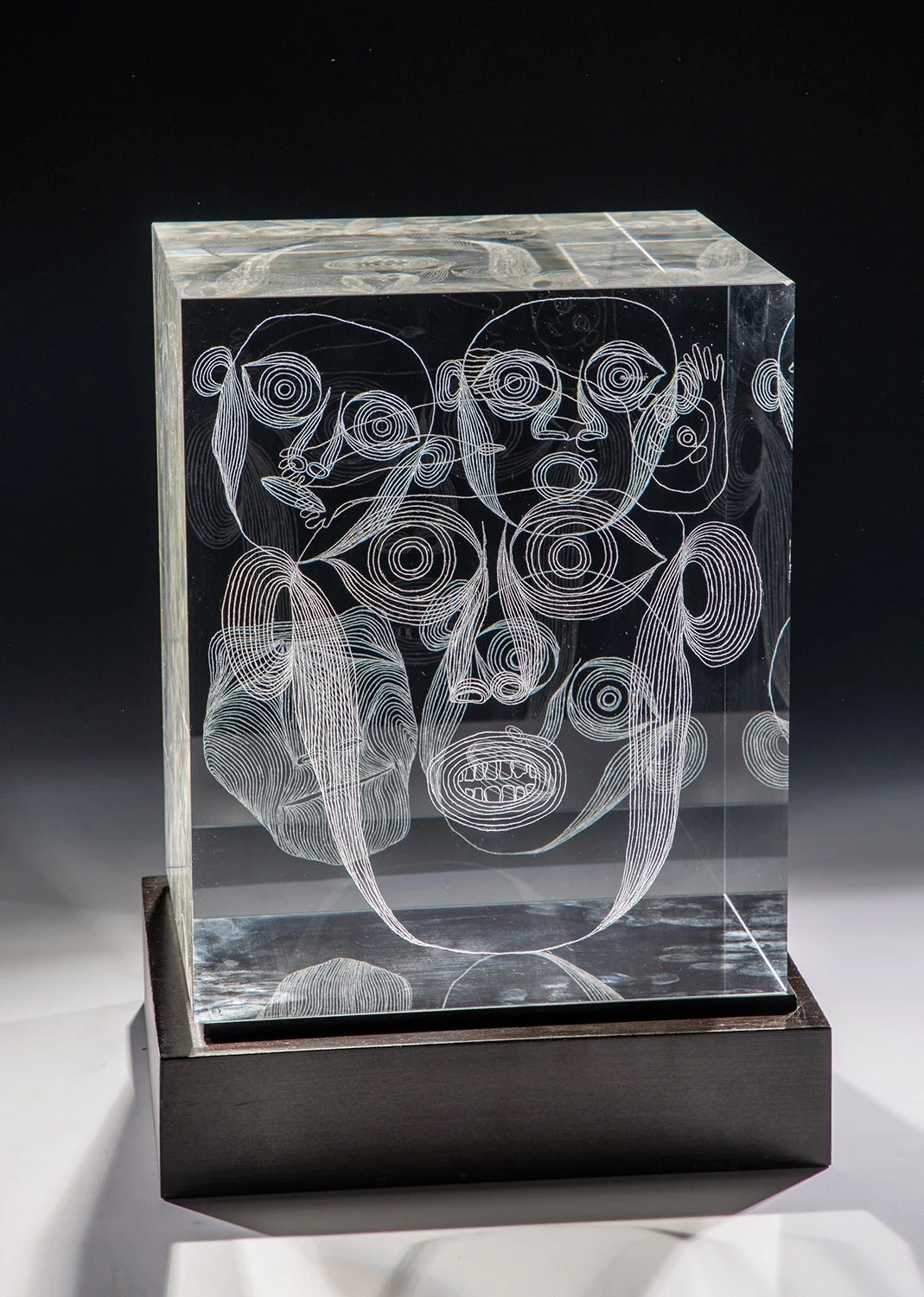
P. Martinuzzi (Venezia, 1933 – 2015), Quader, 1990, Unique piece, Clear optical glass, cut by hand and engraved with diamond pen by the artist, 30 x 24 x 20 cm
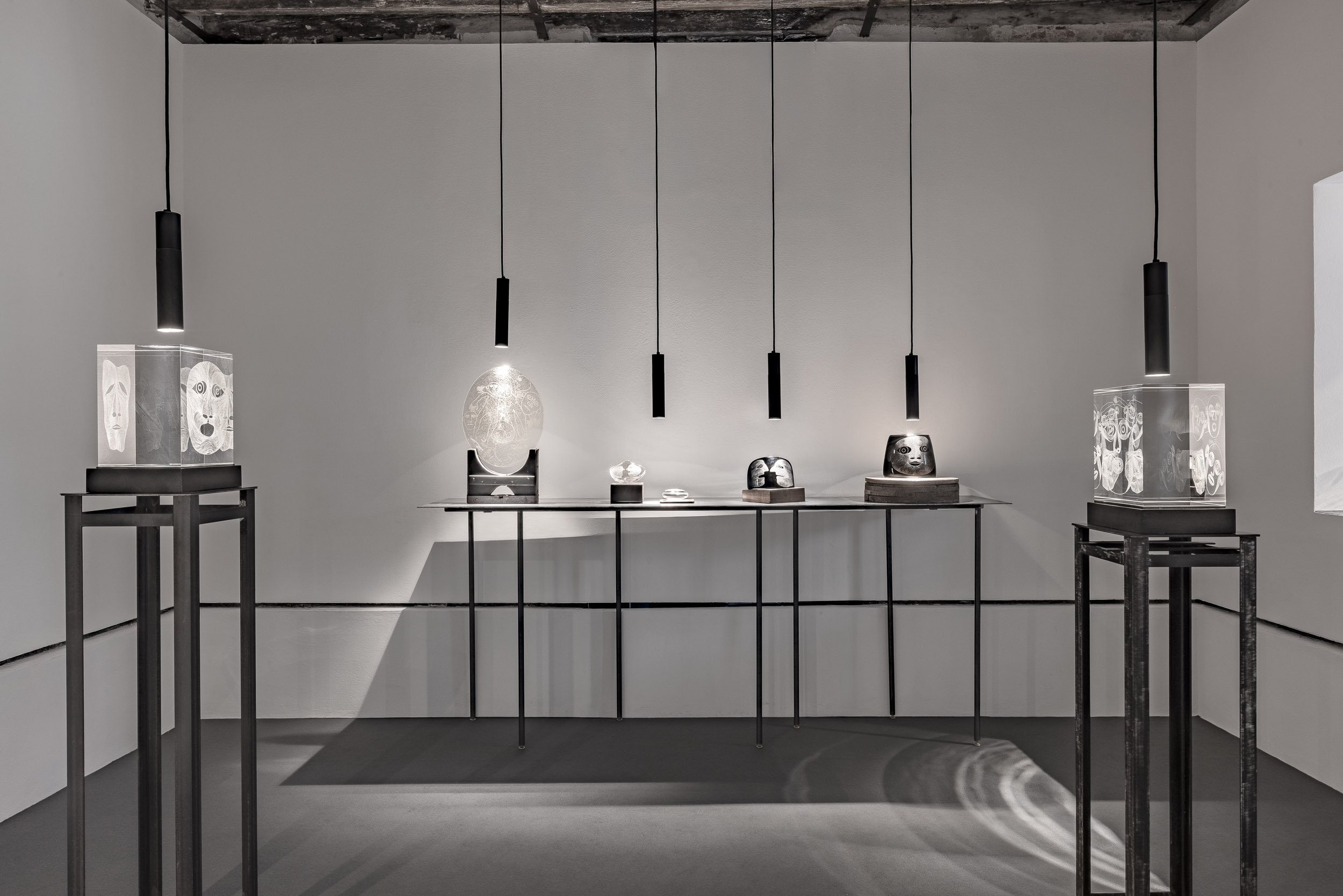
Paolo Martinuzzi. An exemplary adventure. Art Brut in Murano in the '70s
Exhibition view. ph. Enrico Fiorese
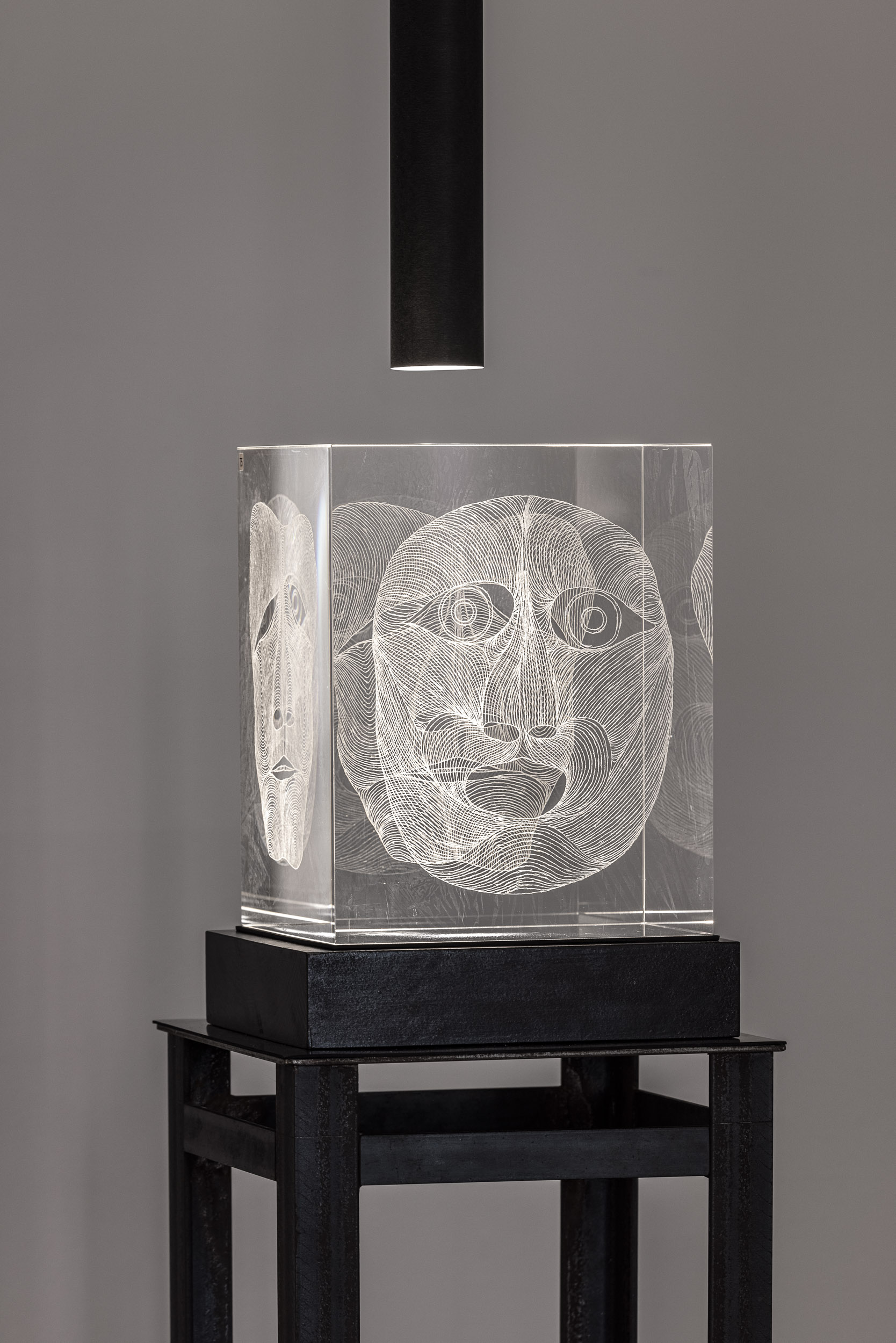
P. Martinuzzi (Venezia, 1933 – 2015), Untitled, 1994, Unique piece, Clear optical glass, cut by hand and engraved with diamond pen by the artist, 20 x 24 x 29 cm, ph. Enrico Fiorese
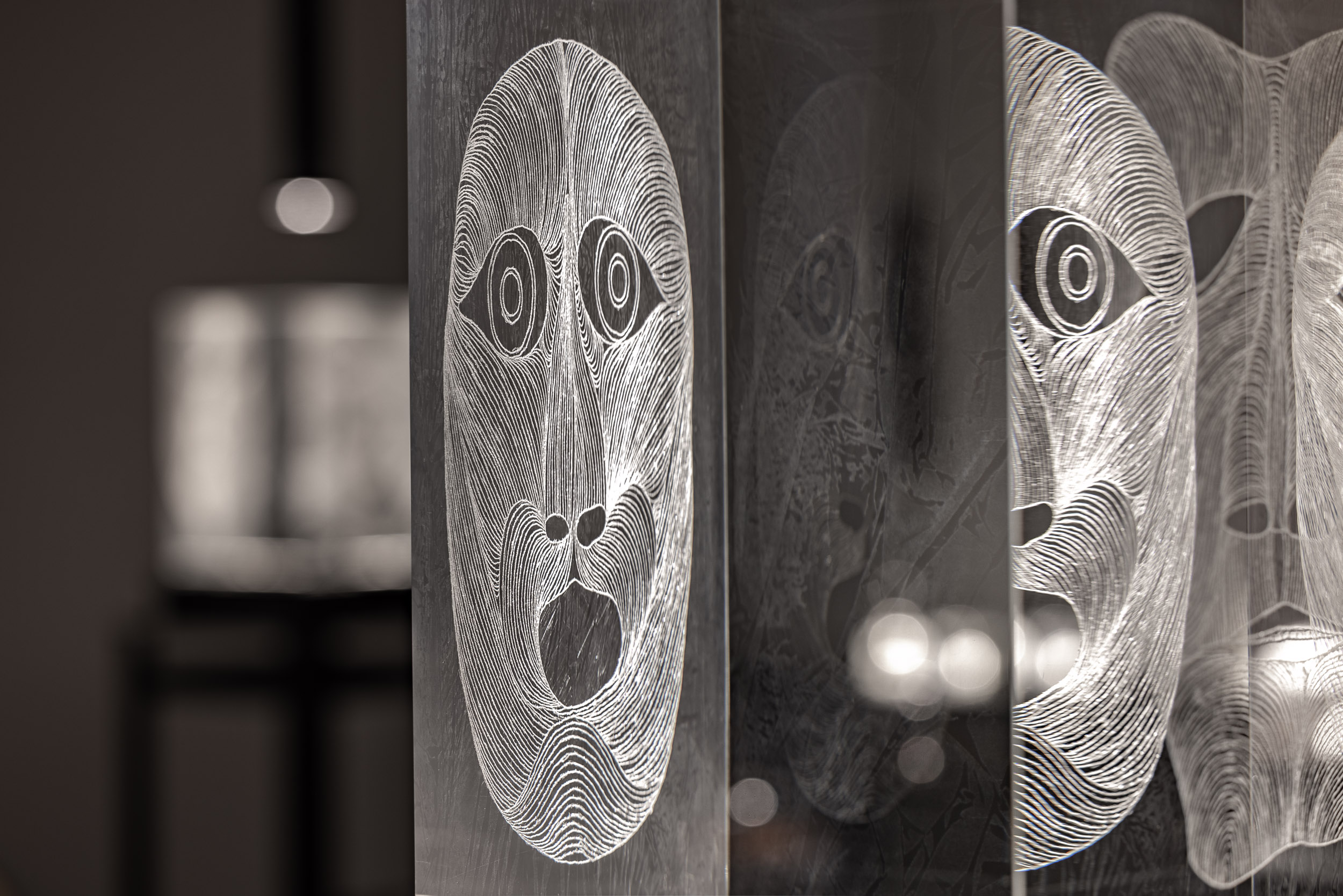
P. Martinuzzi (Venezia, 1933 – 2015), detail of Untitled, 1994, Unique piece, Clear optical glass, cut by hand and engraved with diamond pen by the artist, 20 x 24 x 29 cm, ph. Enrico Fiorese
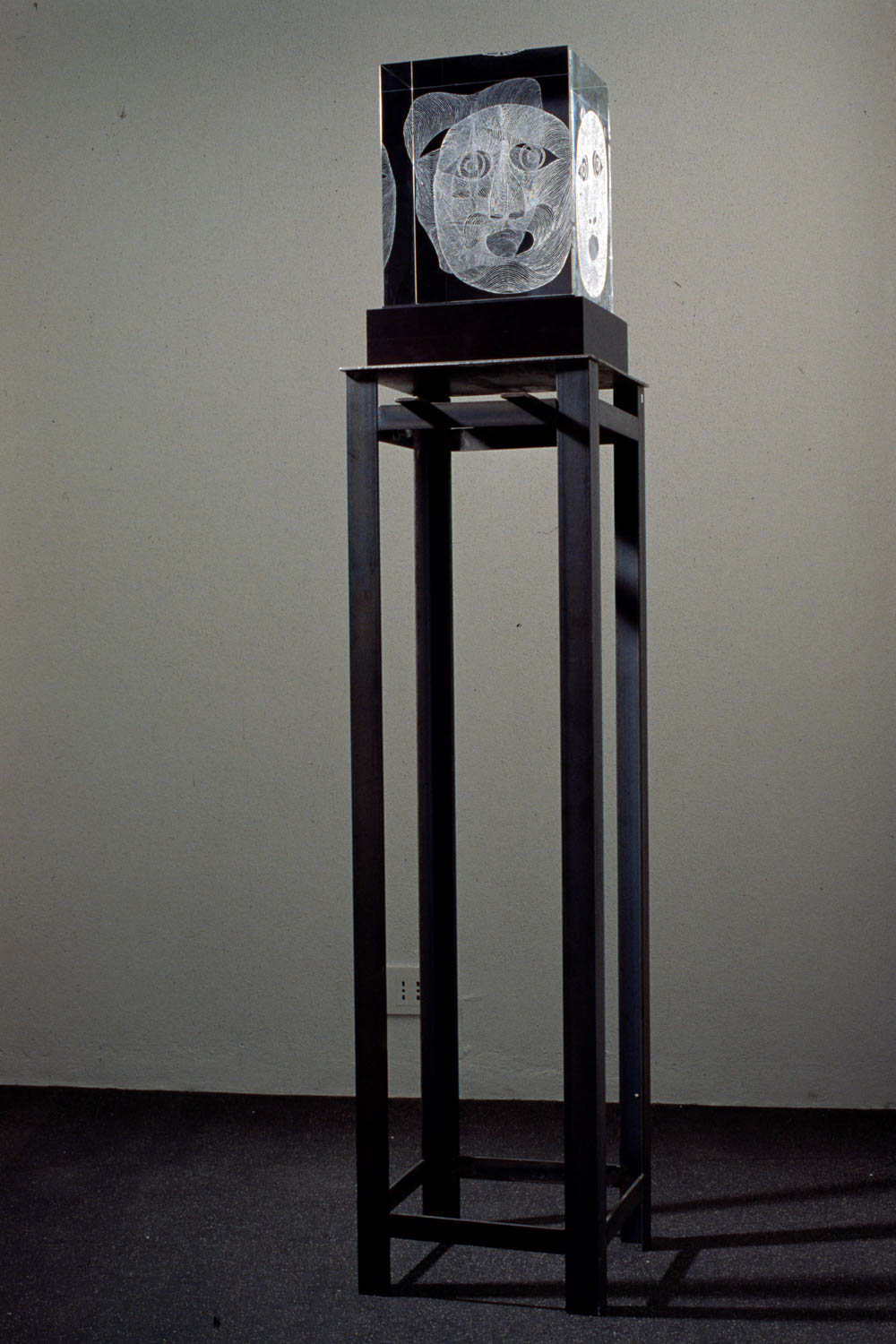
P. Martinuzzi (Venezia, 1933 – 2015), Untitled, 1994, Unique piece, Clear optical glass, cut by hand and engraved with diamond pen by the artist, on the base: 149 × 31 × 31 cm, ph. Roberto Marossi
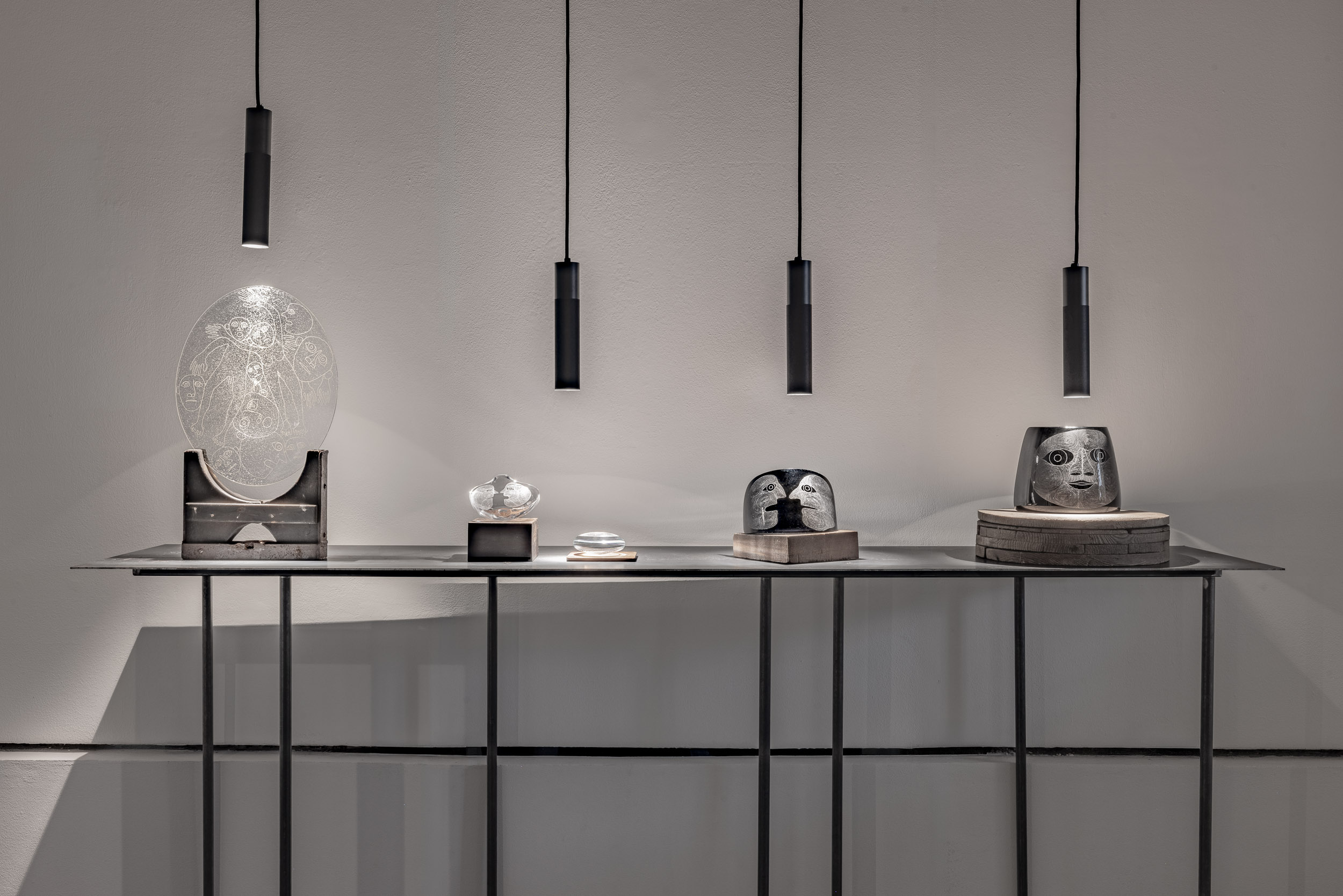
Paolo Martinuzzi. An exemplary adventure. Art Brut in Murano in the '70s
Exhibition view. ph. Enrico Fiorese
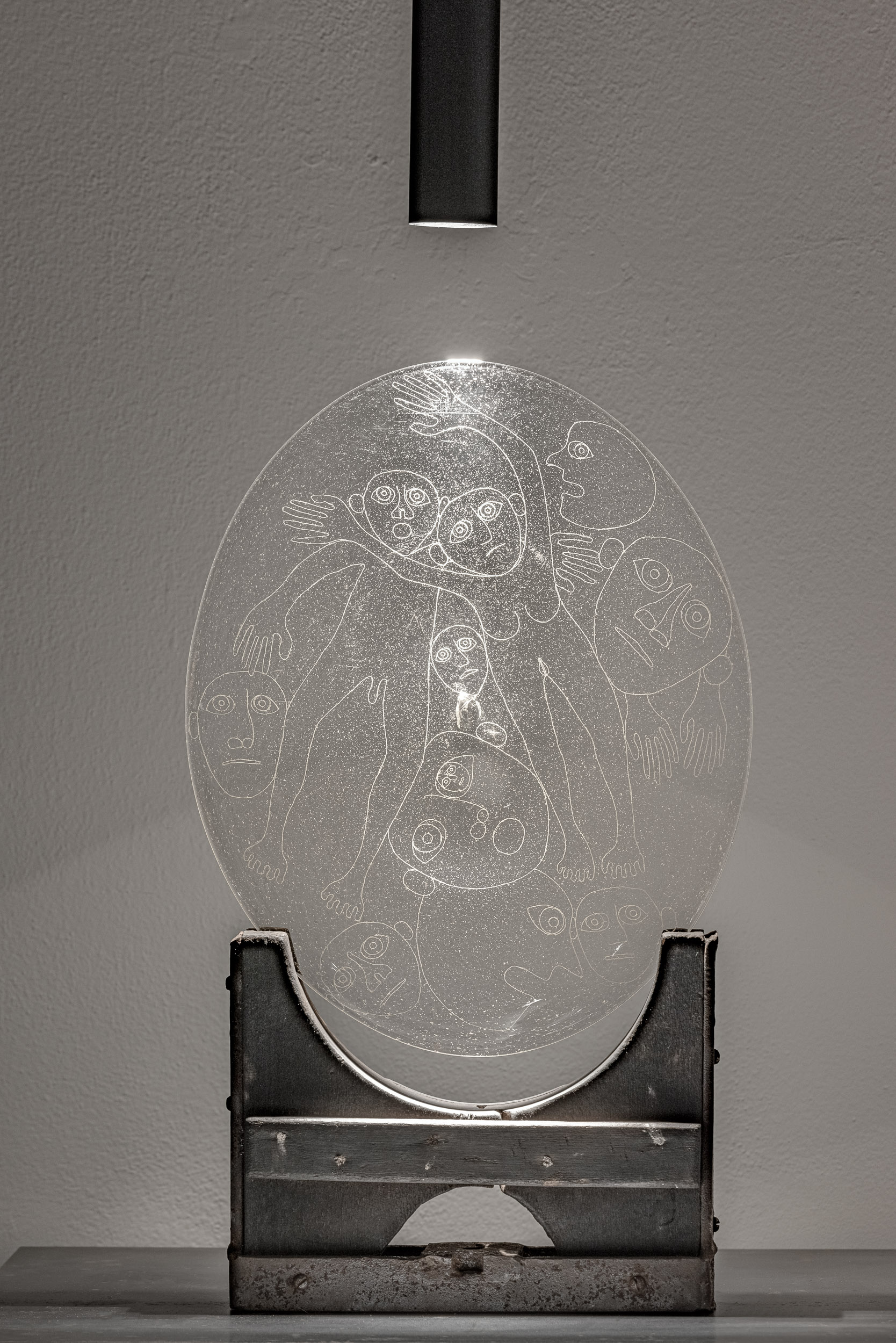
P. Martinuzzi (Venezia, 1933 – 2015), Al Vento (large), early ‘80s, Unique piece, Blown-glass sheet, engraved with diamond pen by the artist, support in wood and iron, 56 x 36 cm, ph. Enrico Fiorese
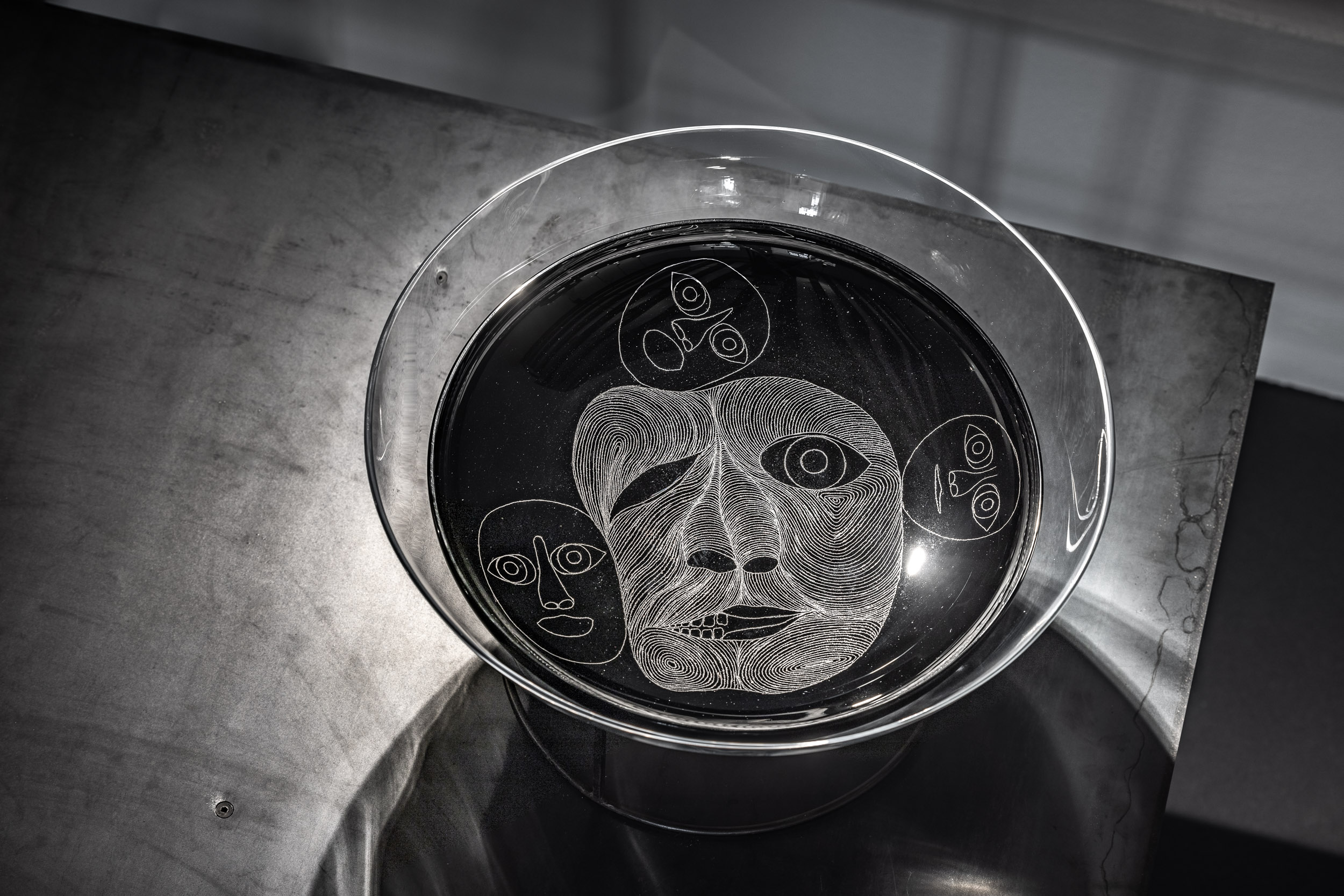
P. Martinuzzi (Venezia, 1933 – 2015), Untitled (plate in three parts), early ‘80s, Unique piece, Hand-blown glass, engraved with diamond pen by the artist, support in iron, Ø 37 x 28 cm, ph. Enrico Fiorese
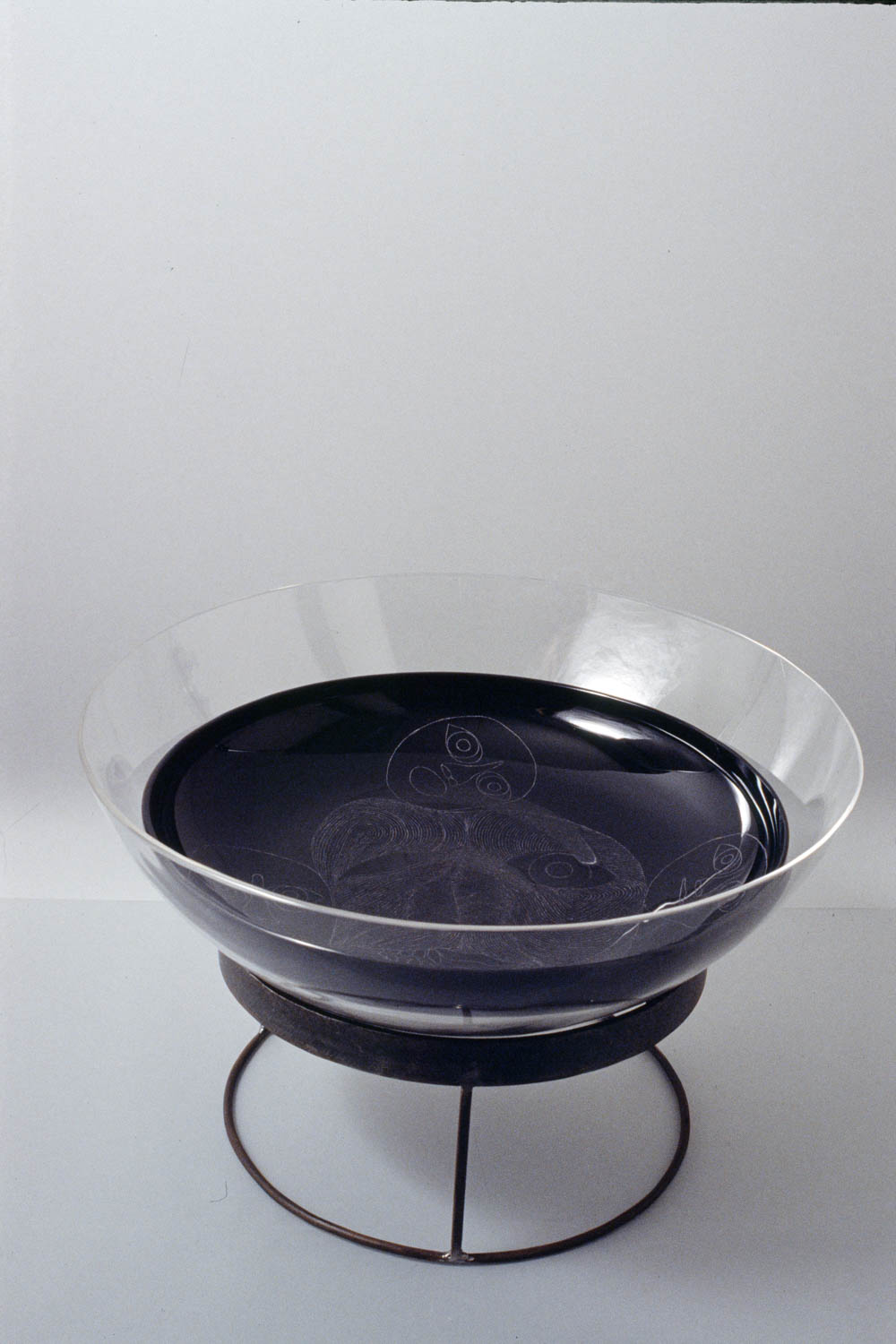
P. Martinuzzi (Venezia, 1933 – 2015), Untitled (plate in three parts), early ‘80s, Unique piece, Hand-blown glass, engraved with diamond pen by the artist, support in iron, Ø 37 x 28 cm, ph. Roberto Marossi
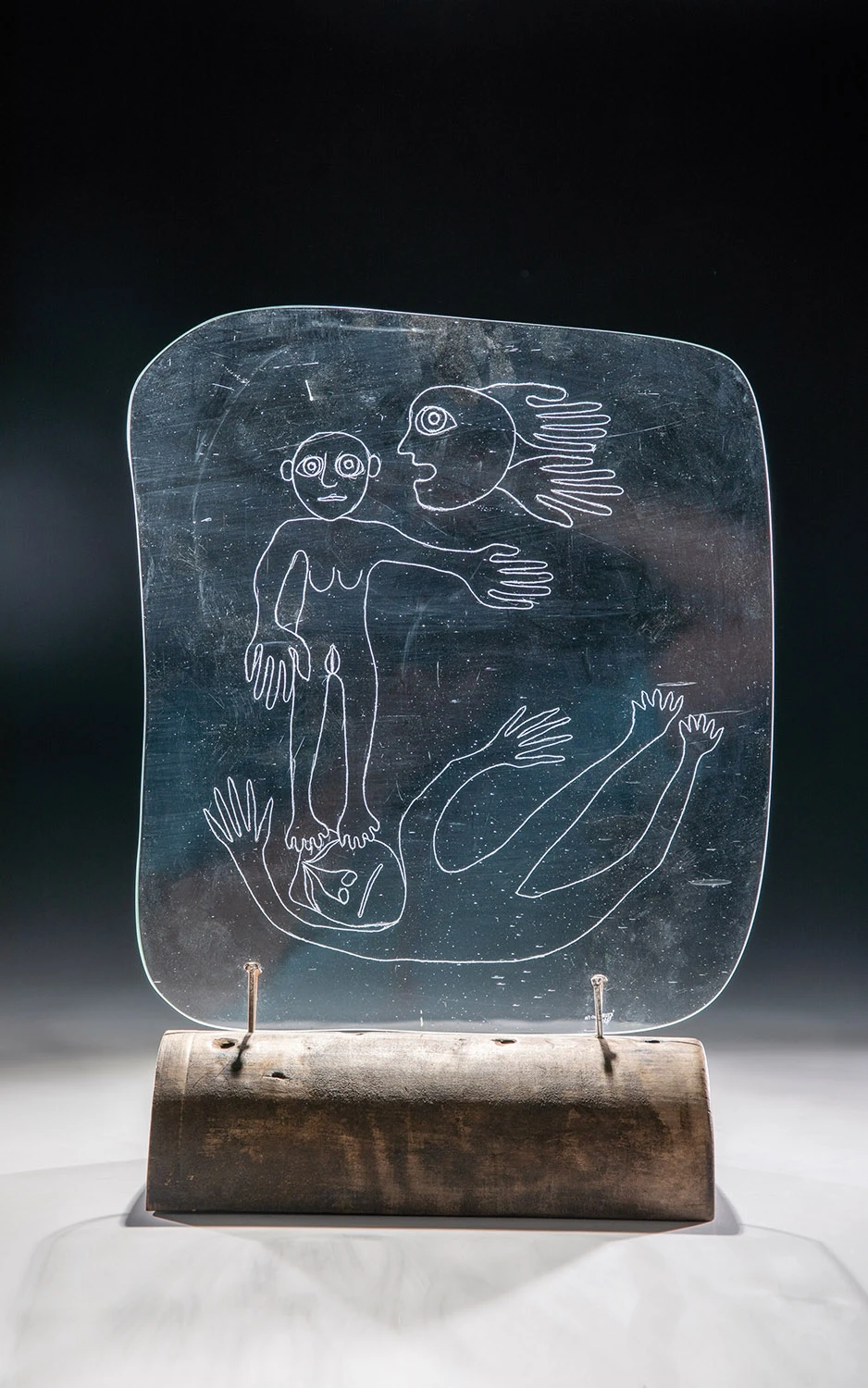
P. Martinuzzi (Venezia, 1933 – 2015), Untitled, 1976, Unique piece, Blown-glass sheet, engraved with diamond pen by the artist, support in wood and iron, 36 × 20 × 11 cm
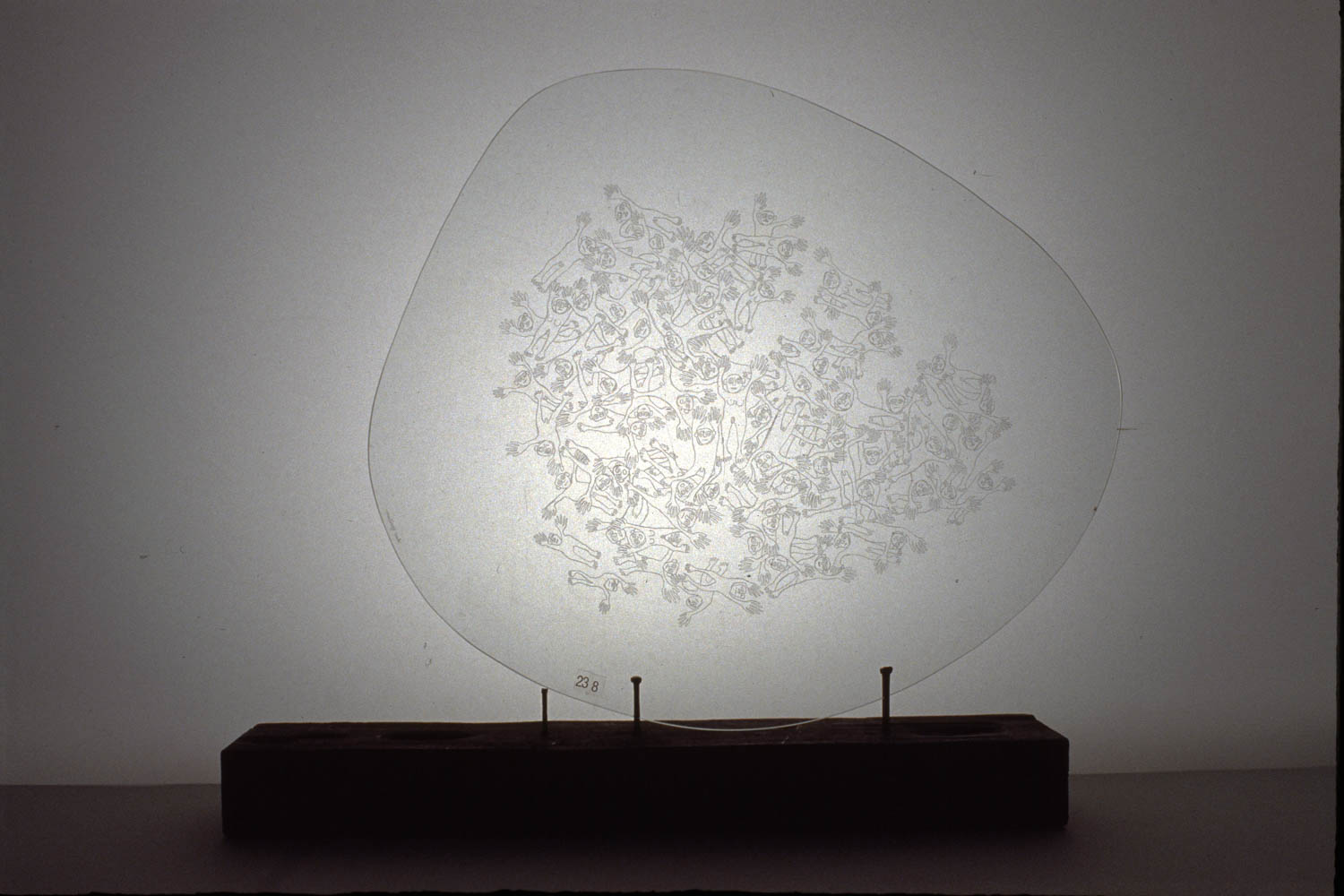
P. Martinuzzi (Venezia, 1933 – 2015), Untitled (sheet with figures), early ‘80s, Unique piece, Blown-glass sheet, engraved with diamond pen by the artist, support in iron, 35 × 31 cm, ph. Roberto Marossi
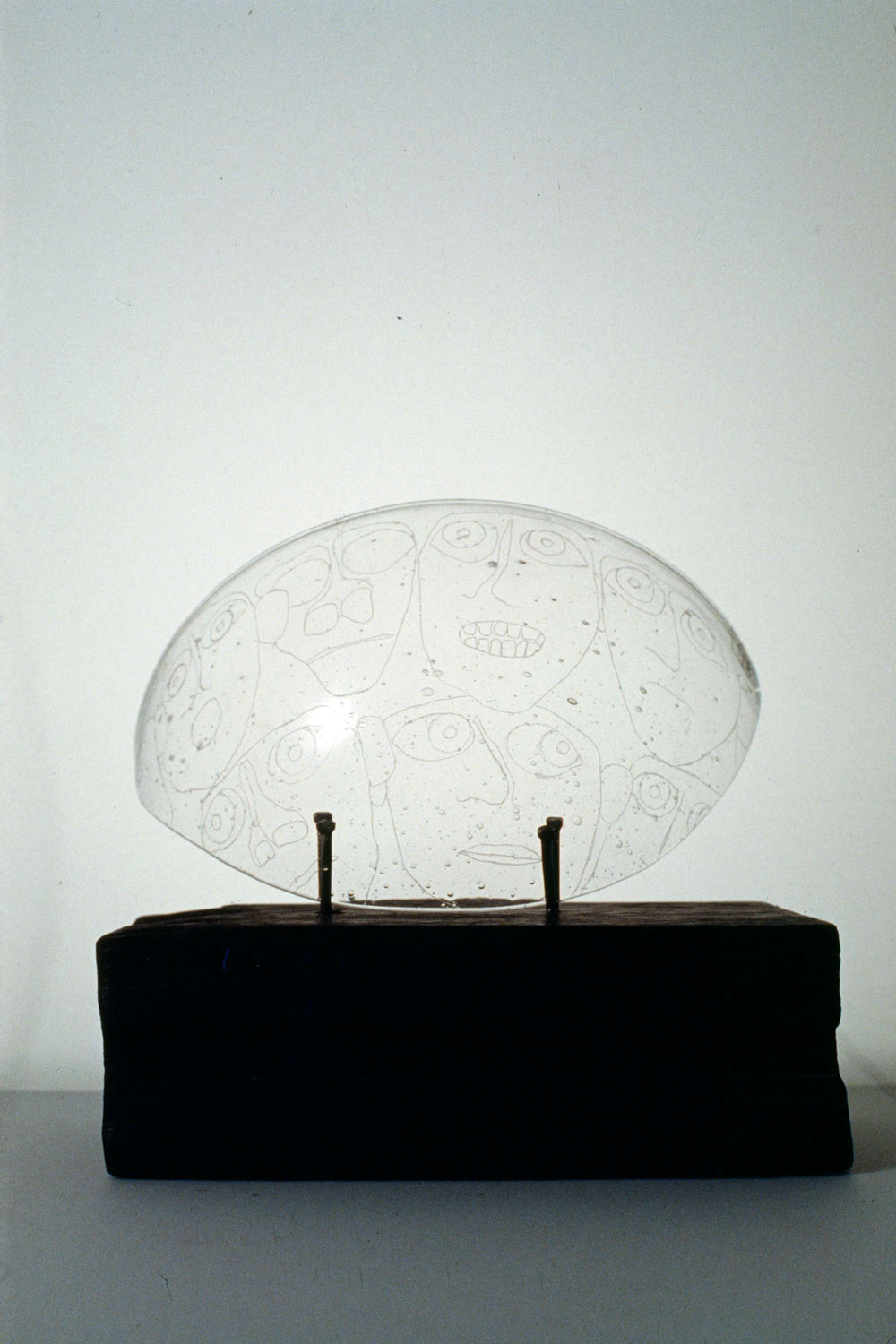
P. Martinuzzi (Venezia, 1933 – 2015), Untitled (glass sheet with faces), Unique piece, Hand-blown glass sheet, engraved with diamond pen by the artist. 17 x 7 x 10 cm, ph. Roberto Marossi
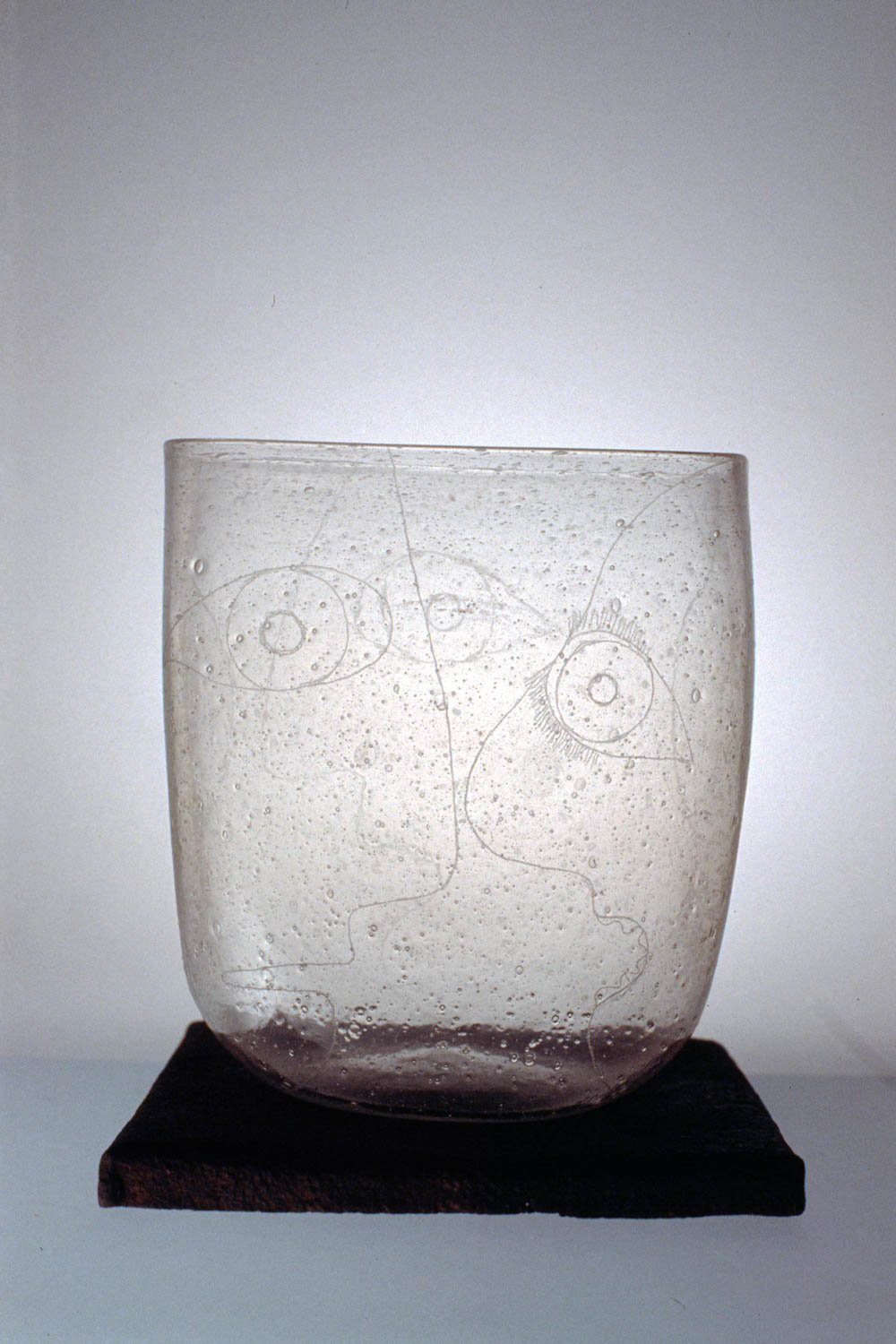
P. Martinuzzi (Venezia, 1933 – 2015), Untitled (container with faces), early ‘80s, Unique piece, Hand-blown glass, acid-etched, engraved with diamond pen by the artist, 14 × 13 × 9 cm, ph. Roberto Marossi
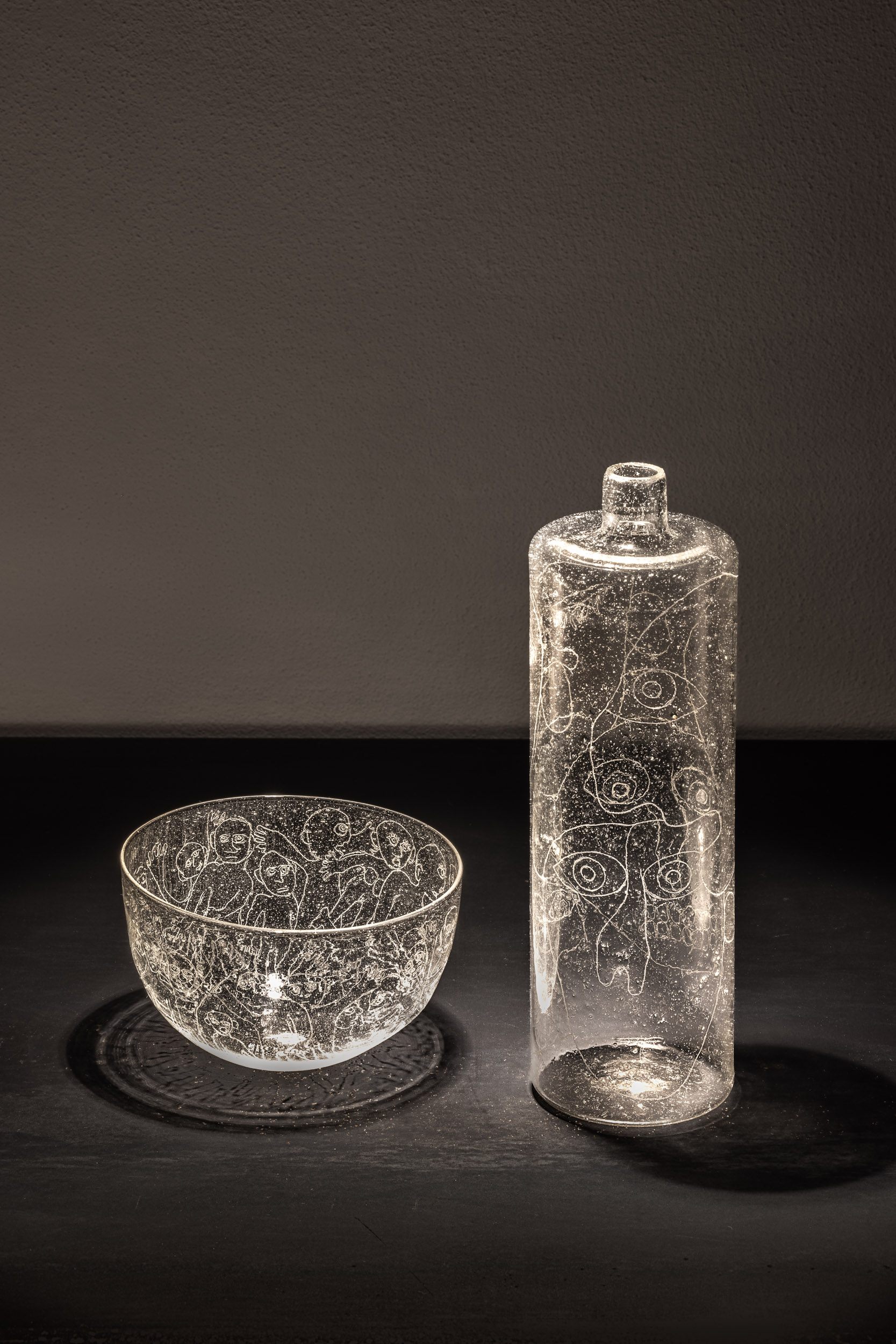
P. Martinuzzi (Venezia, 1933 – 2015), Untitled (bottle & bowl), Unique pieces, Hand-blown glass, engraved with diamond pen by the artist, ph. Enrico Fiorese
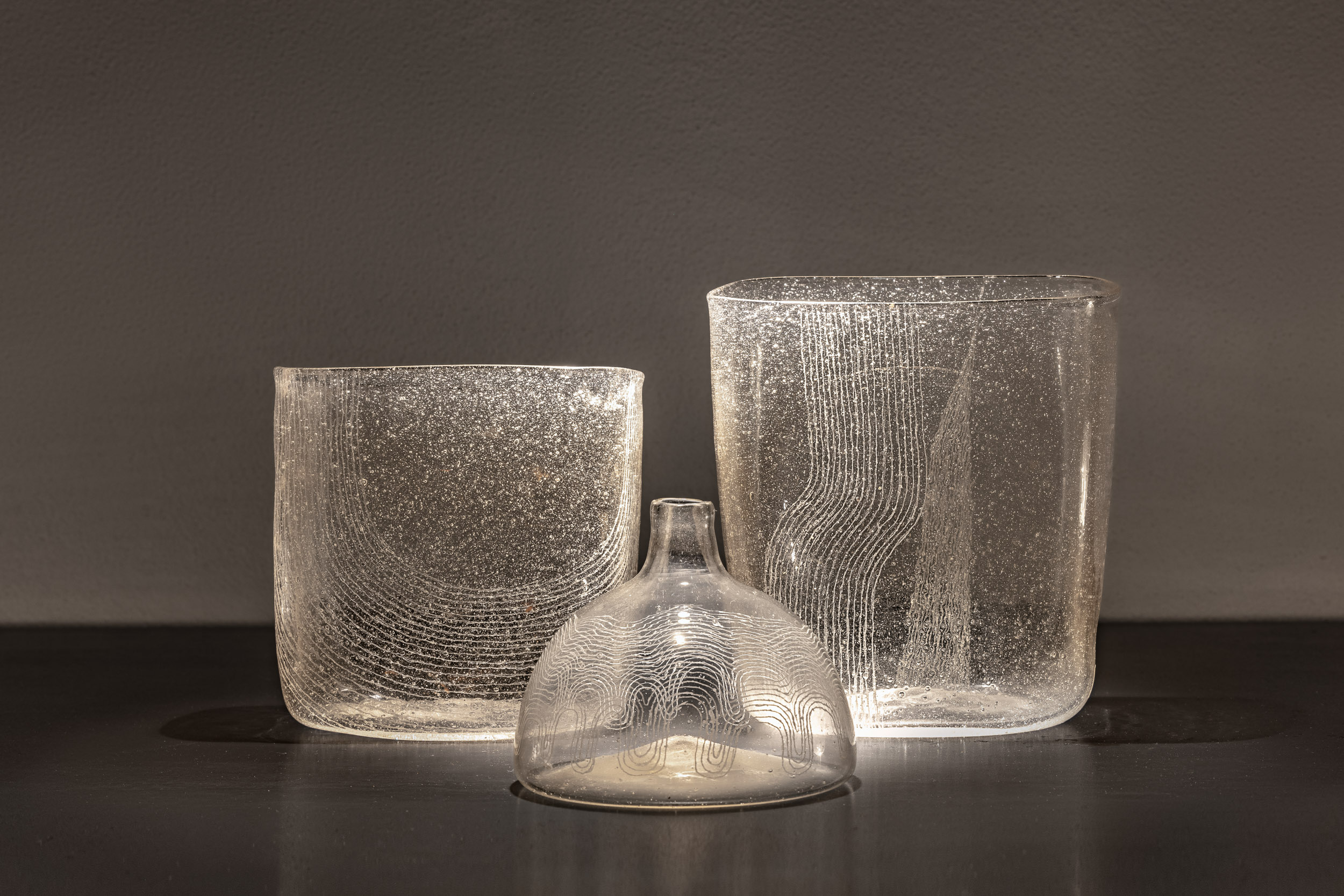
P. Martinuzzi (Venezia, 1933 – 2015), Untitled (3 pieces), Unique pieces, Hand-blown glass, engraved with diamond pen by the artist, ph. Enrico Fiorese
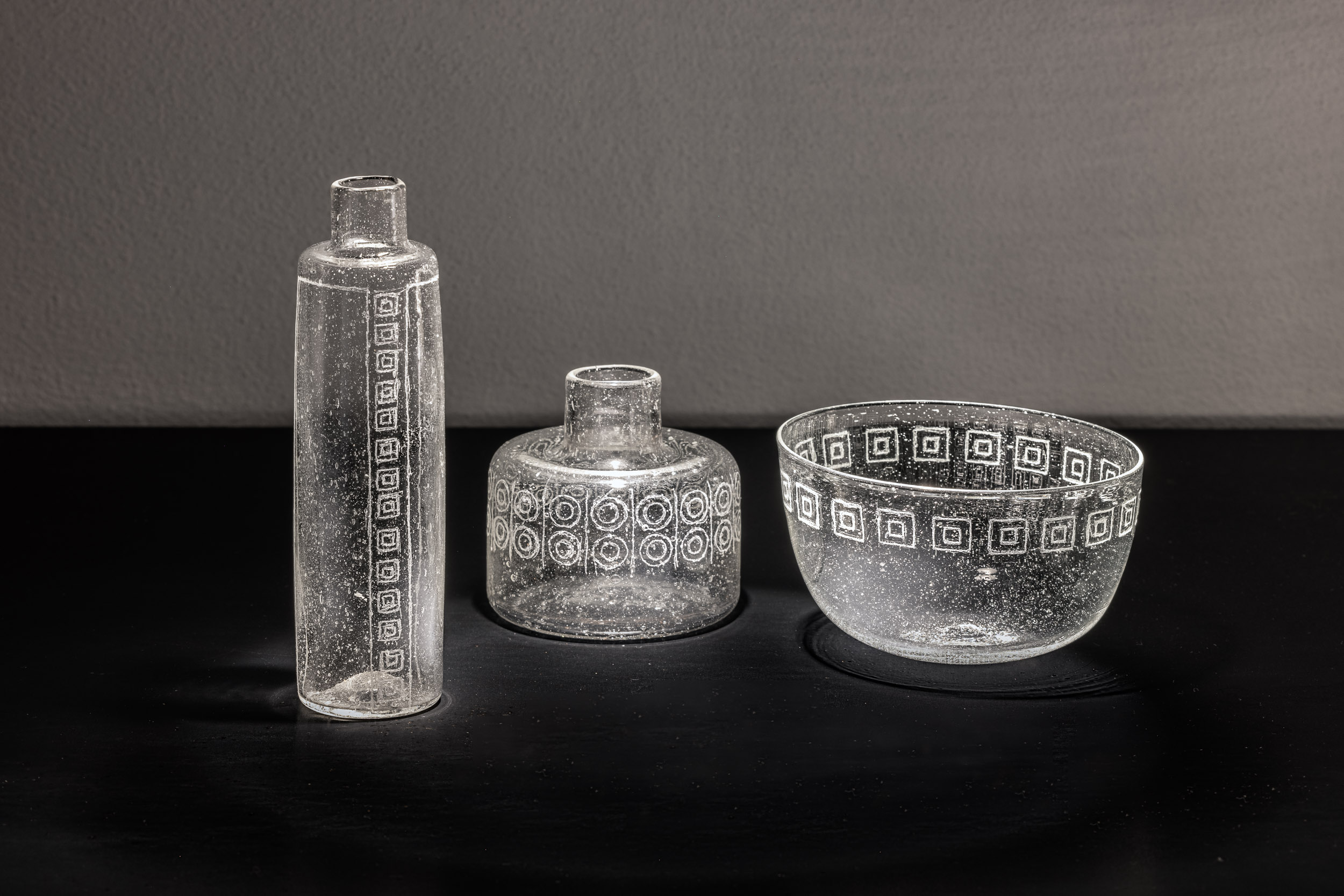
P. Martinuzzi (Venezia, 1933 – 2015), Untitled (3 pieces), Unique pieces, Hand-blown glass, engraved with diamond pen by the artist, ph. Enrico Fiorese