THE DECLINING FIGURE
This exhibition brings together sculptures, works on paper, and the large embroidered NEST (2004), spanning Paul Noble’s career and his sustained engagement with one of Britain’s defining artistic legacies: Henry Moore.
Venice is not an incidental setting. In 1948, Moore was awarded the International Prize for Sculpture at the 24th Venice Biennale, where his work was recognised as embodying the humanist values of modernism. Showing Noble’s work at Caterina Tognon—a gallery whose programme is rooted in material craft and process— places this engagement in the very city where that recognition occurred.
The exhibition title takes its name from a deliberate misreading. Where Moore placed monumental reclining figures across the world’s piazzas and landscapes, Noble proposes declining figures: forms that slump, accumulate, stack, and compost—his contention that humans, despite behaving as though they sit at the top of the food chain are, in fact, principally responsible for damaging the natural world.
Noble's engagement with Moore began in 1996 with scepticism. His issue was less with Moore himself than what he represented: the top-down imposition of public art into communities who had no say in its arrival. Critical too of the scale and industrial processes behind the works, and what he perceived as their adherence to pre-war ideals of the nuclear family, Noble recasts this utopian myth through humour and reworking. The first building in Nobson Newtown (1996-)—Noble’s fictional dystopian city—depicts an architect’s house built on sand, with a pile of discarded Moore sculptures beside it. Drawn entirely in pencil, the project functions as both town plan and self-portrait. Returning to this image years later, Noble created Monument Monument (2007), a large meticulous pencil drawing made from every sculpture in Moore’s six-volume catalogue raisonné, each work re-sized to the same scale, assembled as a single towering form. Drawing Moore from the ground up, sculpture by sculpture, Noble found himself recognising, over time, his foil as a master of form, material and scale. In 2019 he said in an interview: “I began, at the foot of the mountain, still a critic of Moore but as I slowly ascended I recognised what a master of form and material and scale he was. It took me a while to get to this point and be rid of my prejudices.” (from: A Cartography of the Self, Interview with Kristen Knupp, Art Vista / Art Decision Magazine, December 2019)
The works in this exhibition span nearly three decades of this evolving dialogue. Exhibited widely, the scatological ceramic figures of the mid-2000s play with scale. Formed in variations from ten modular Moore’s—inspired by Chinese scholar stones they were conceived as ornaments for Paul’s Palace the intricately detailed seaside villa that takes centre stage in Nobson. Exhibited here for the first time, The HM’s, mounted on travertine bases: pale, knotted, interlocking forms operate simultaneously as homage and parody. Intricate pencil drawings such as Sixteen Henry Moore Sculptures On Top Of Each Other (2005–2025), subvert Moore’s canonical forms. Compressed into an absurdist monument—Noble recalls Moore’s contemporary Hans Bellmer whose radical dismemberment of the human form stands as modernism’s counterpoint to Moore's idealism.
Moore worked within a tradition that placed the body at the centre of meaning—dignified, enduring, and at ease in the landscape. Noble’s Declining Figure drawings (2017), also shown here for the first time, revisit this familiar motif of the reclining figure set against sea and sky. "Declining" rather than "reclining", these forms suggest something getting smaller, deteriorating, and less certain.
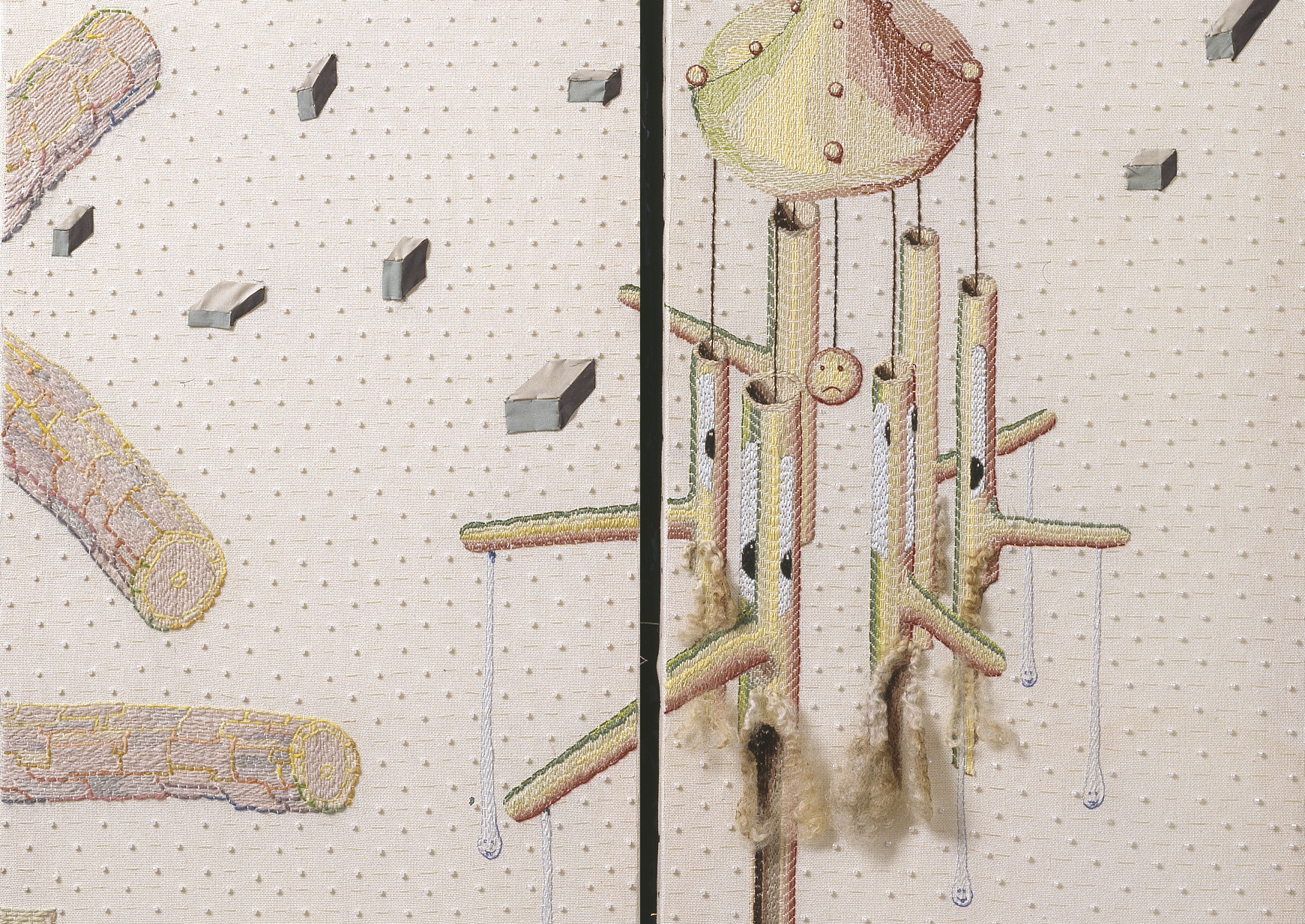
NEST (2004), modelled on traditional East Asian folding screens, anchors the exhibition. Combining embroidery, appliqué, marquetry, and beadwork, it presents a world of egg-carton buildings and a wool nest enveloping a tiny egg cradled on a dead tree: a landscape caught between formation and collapse. Birth, waste, death, repeat. Its intensely handmade surface stands in direct contrast to the industrial processes associated with monumental sculpture.
Grainne Sweeney
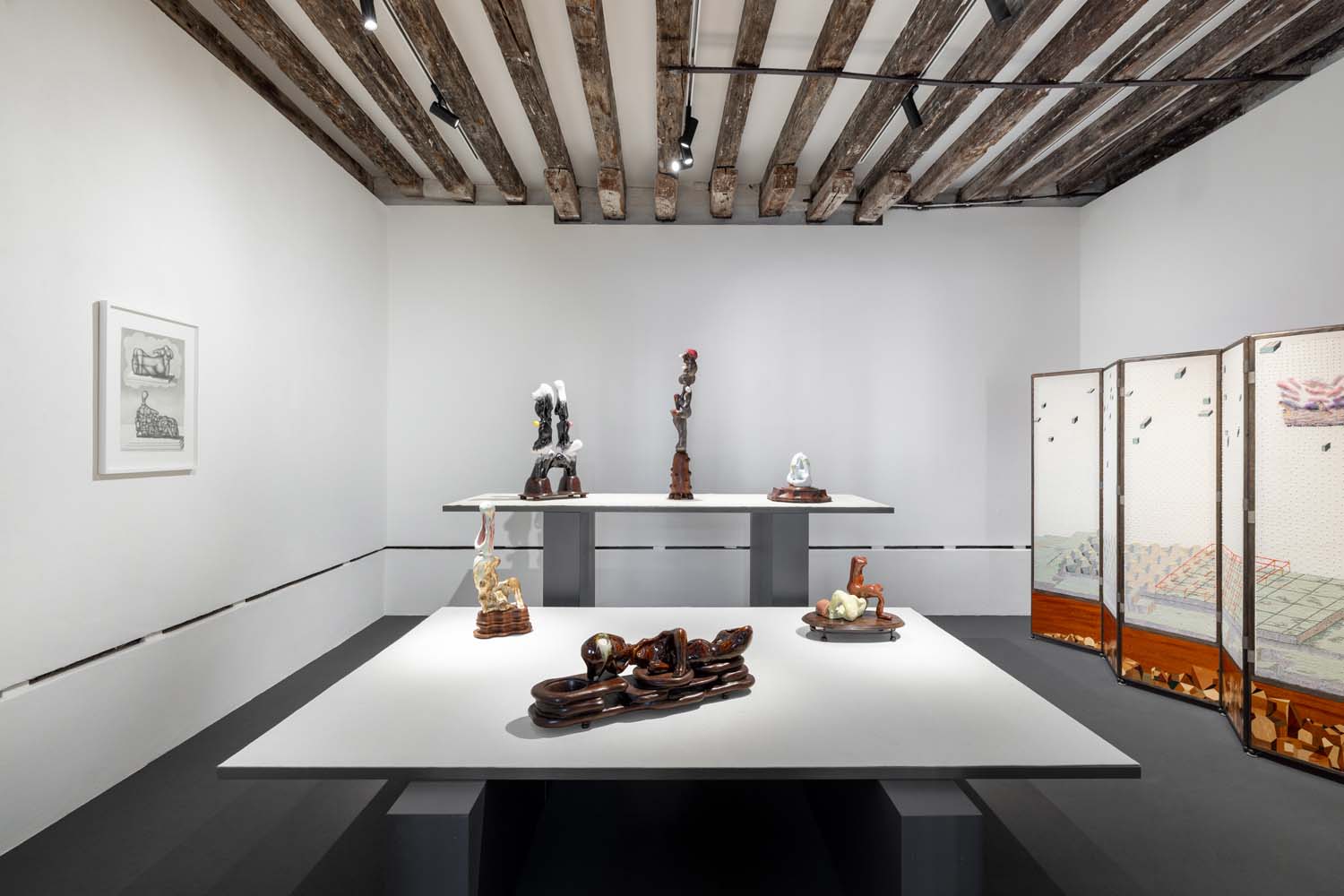
Exhibition view: Paul Noble, THE DECLINING FIGURE, 06.05.2026 - 05.09.2026, ph. Roberto Marossi
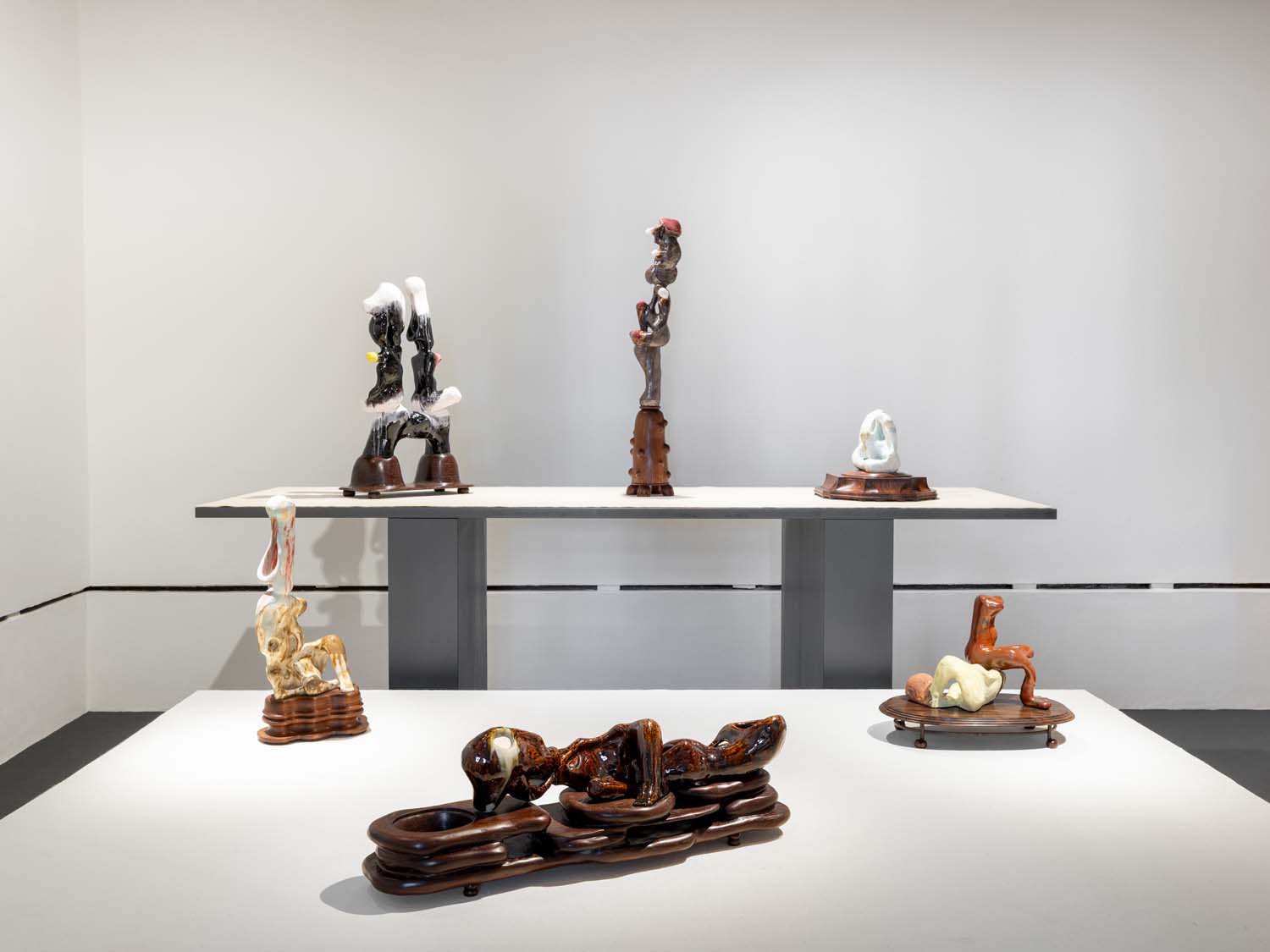
Exhibition view: Paul Noble, THE DECLINING FIGURE, 06.05.2026 - 05.09.2026, ph. Roberto Marossi
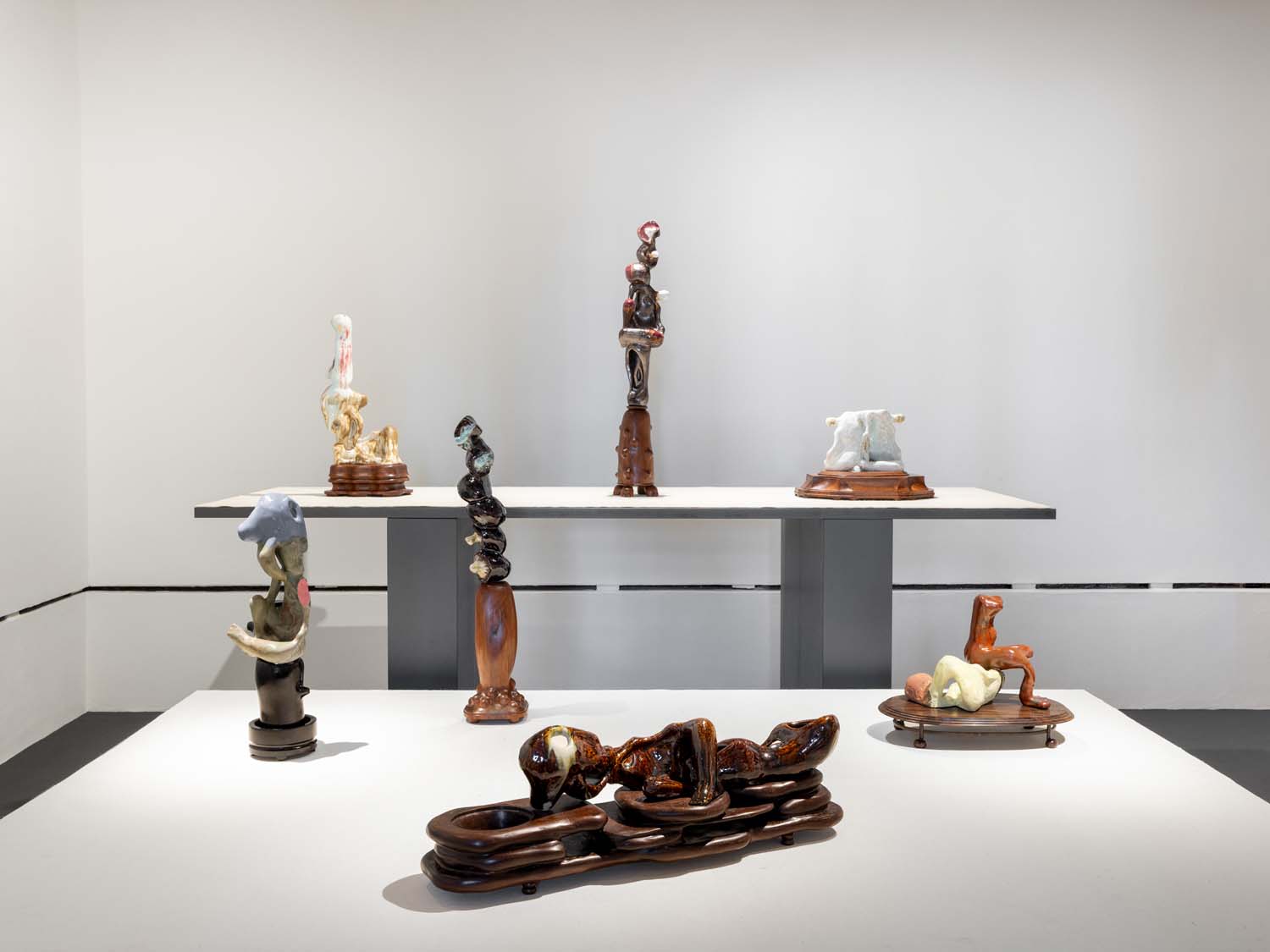
Exhibition view: Paul Noble, THE DECLINING FIGURE, 06.05.2026 - 05.09.2026, ph. Roberto Marossi
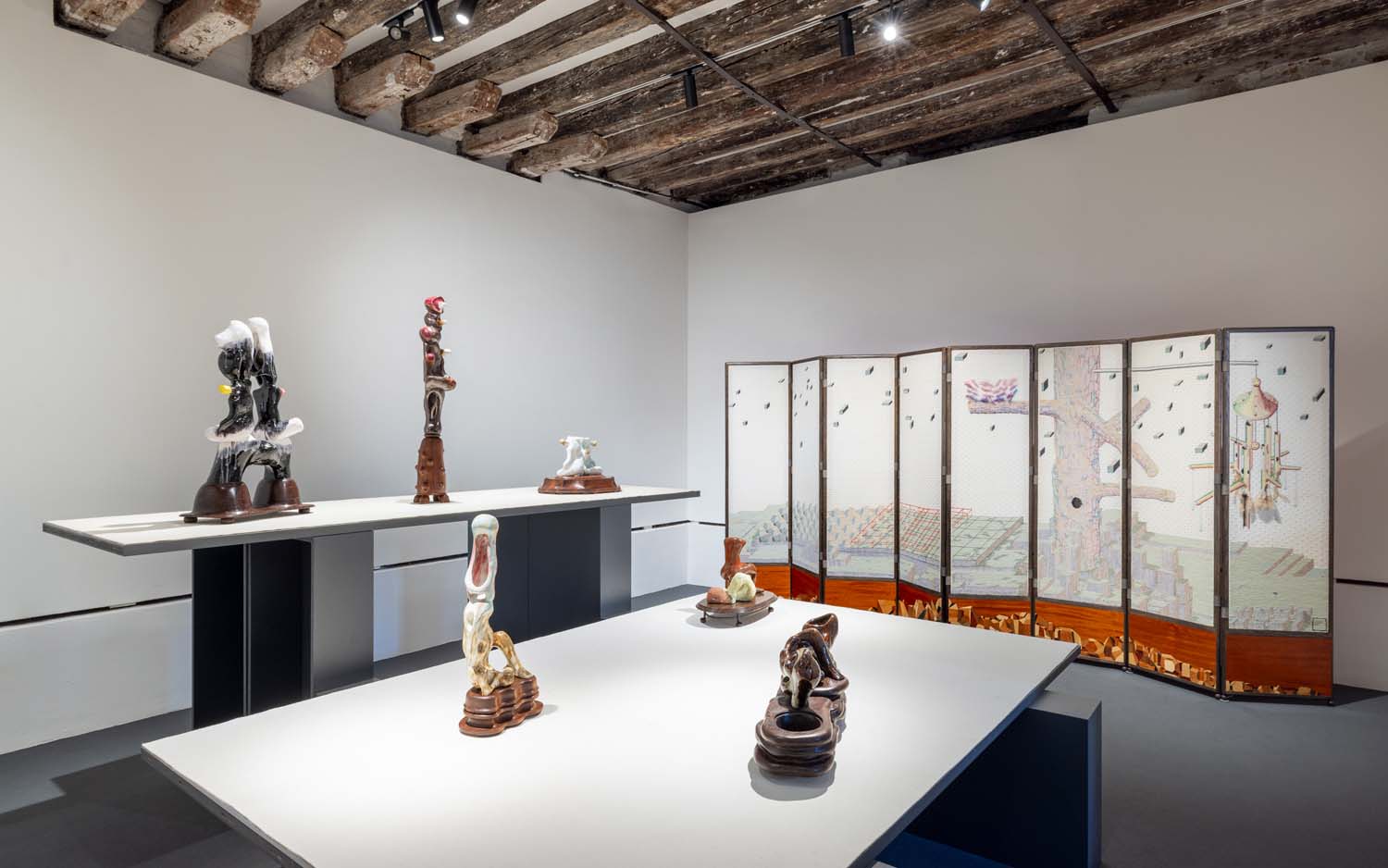
Exhibition view: Paul Noble, THE DECLINING FIGURE, 06.05.2026 - 05.09.2026, ph. Roberto Marossi
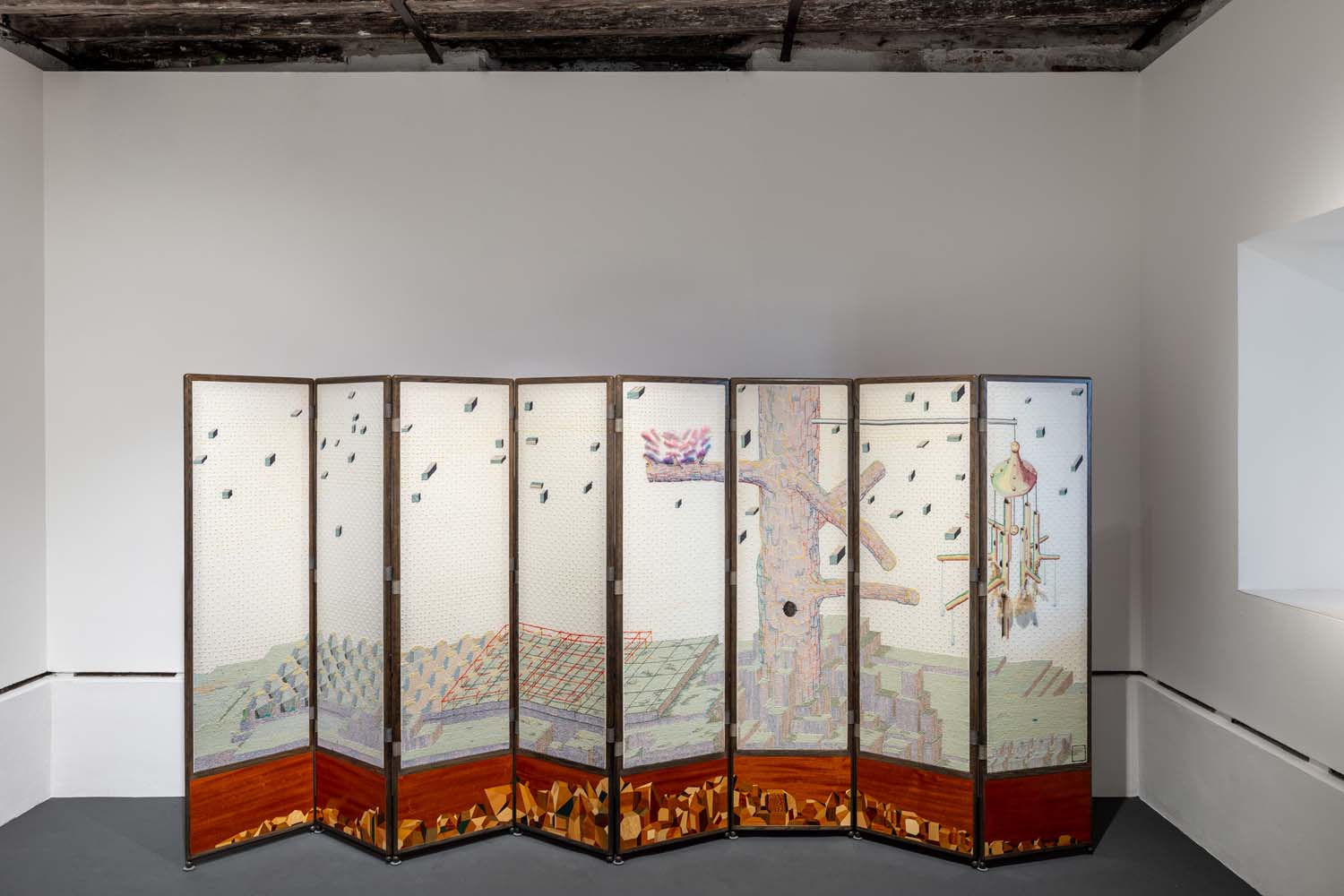
Paul Noble, NEST, 2004, Embroidered screen with appliqué work, beads, marquetry, ph. Roberto Marossi
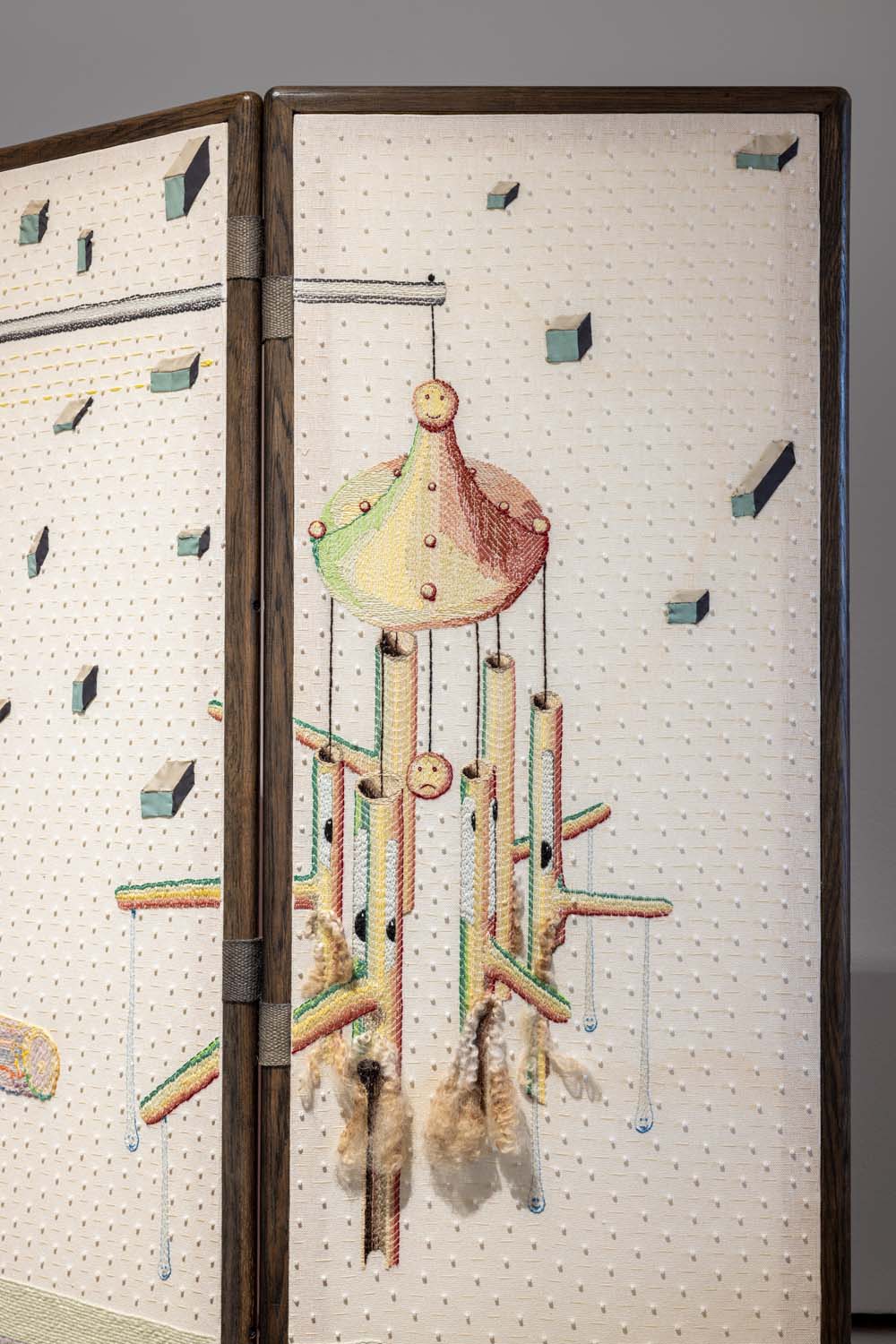
Paul Noble, NEST (detail), 2004, Embroidered screen with appliqué work, beads, marquetry, ph. Roberto Marossi
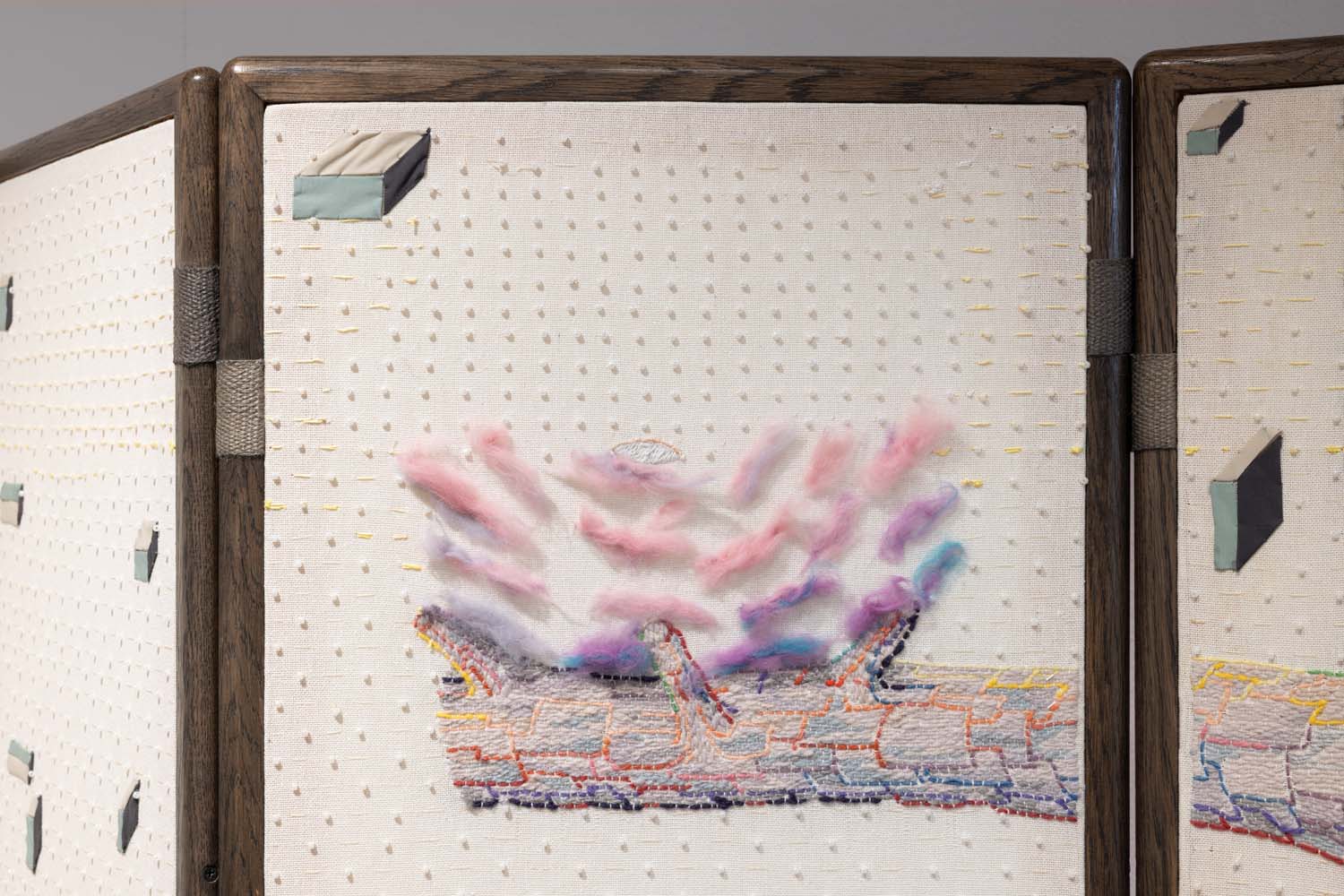
Paul Noble, NEST (detail), 2004, Embroidered screen with appliqué work, beads, marquetry, ph. Roberto Marossi
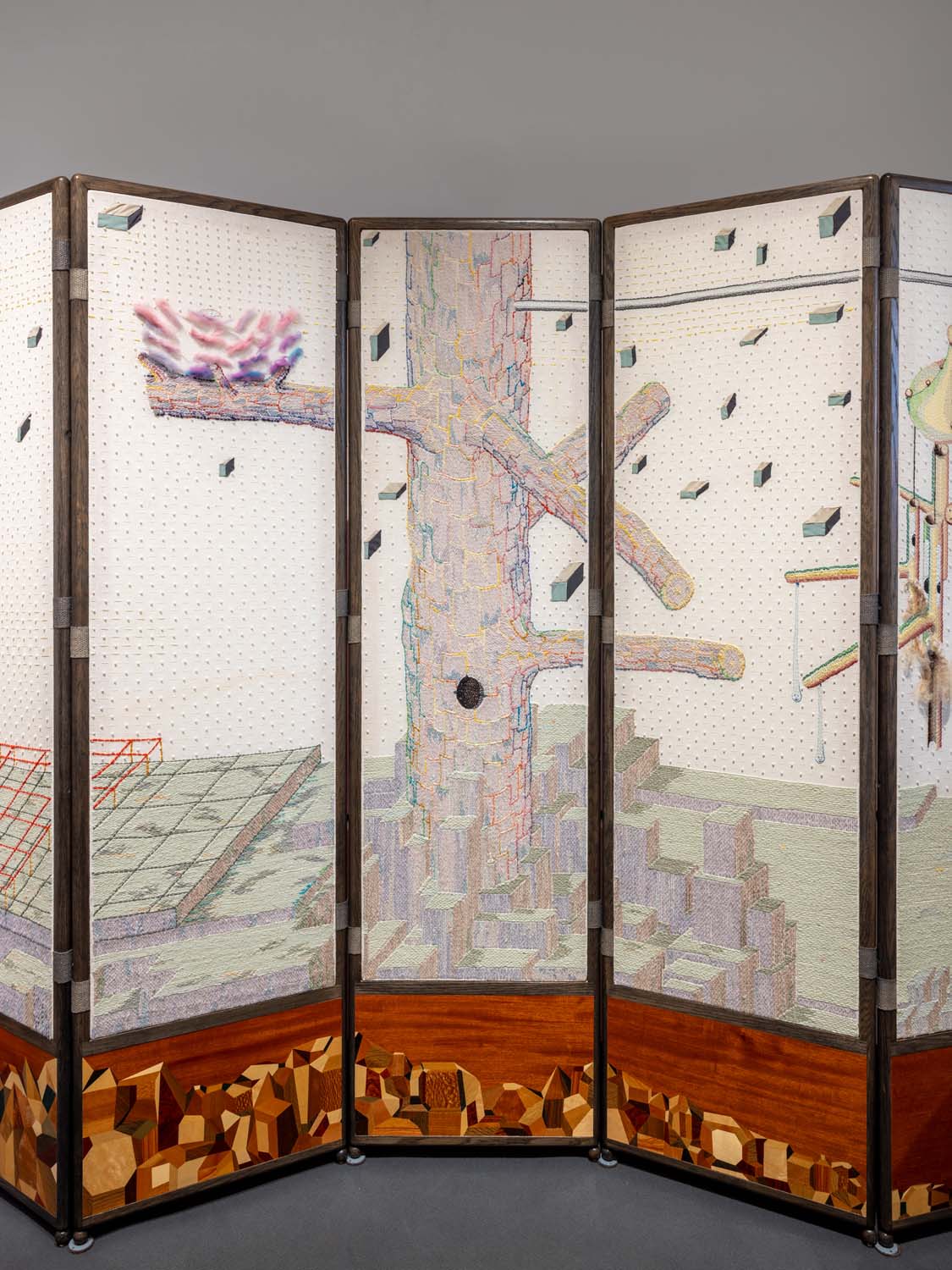
Paul Noble, NEST (detail), 2004, Embroidered screen with appliqué work, beads, marquetry, ph. Roberto Marossi
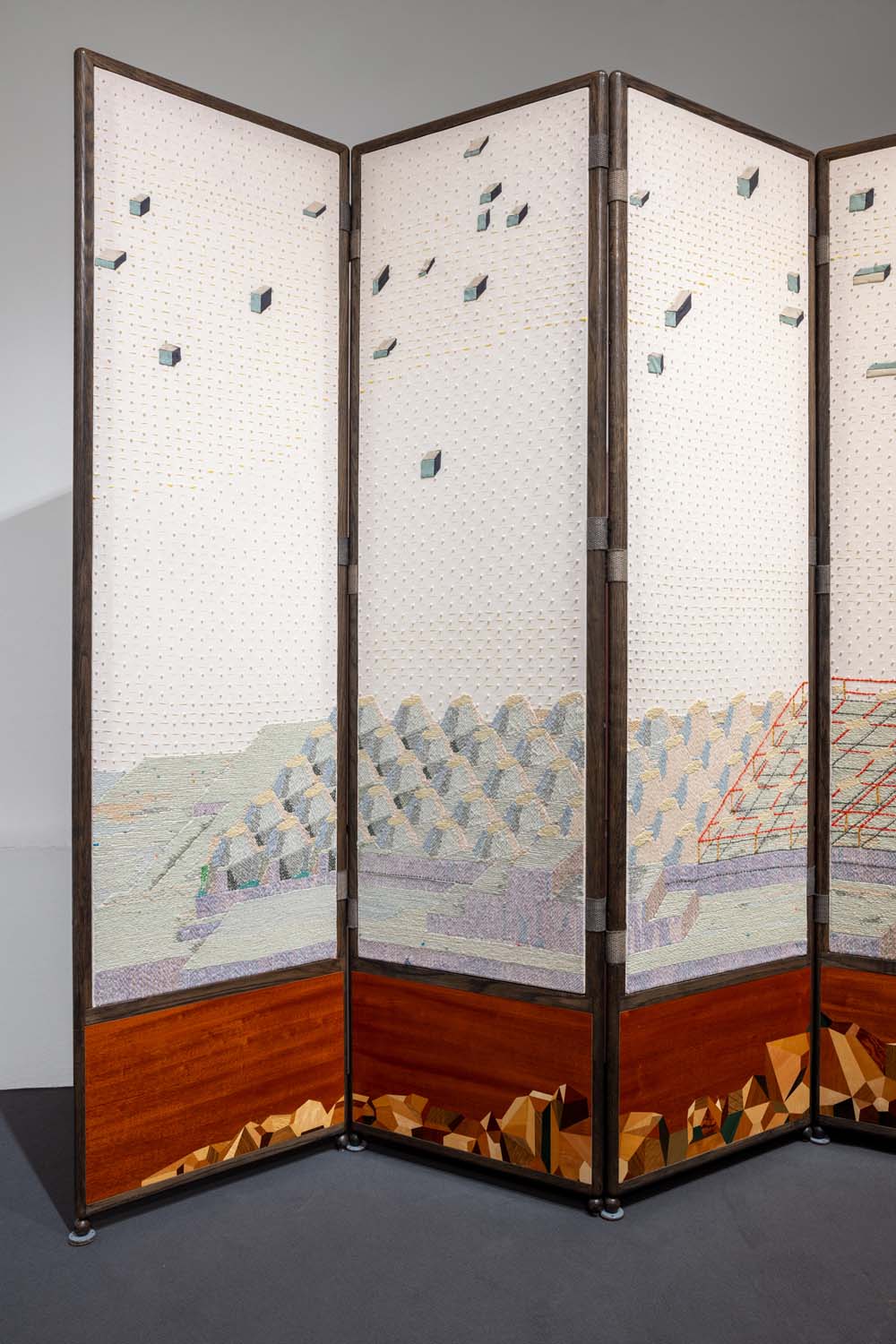
Paul Noble, NEST (detail), 2004, Embroidered screen with appliqué work, beads, marquetry, ph. Roberto Marossi
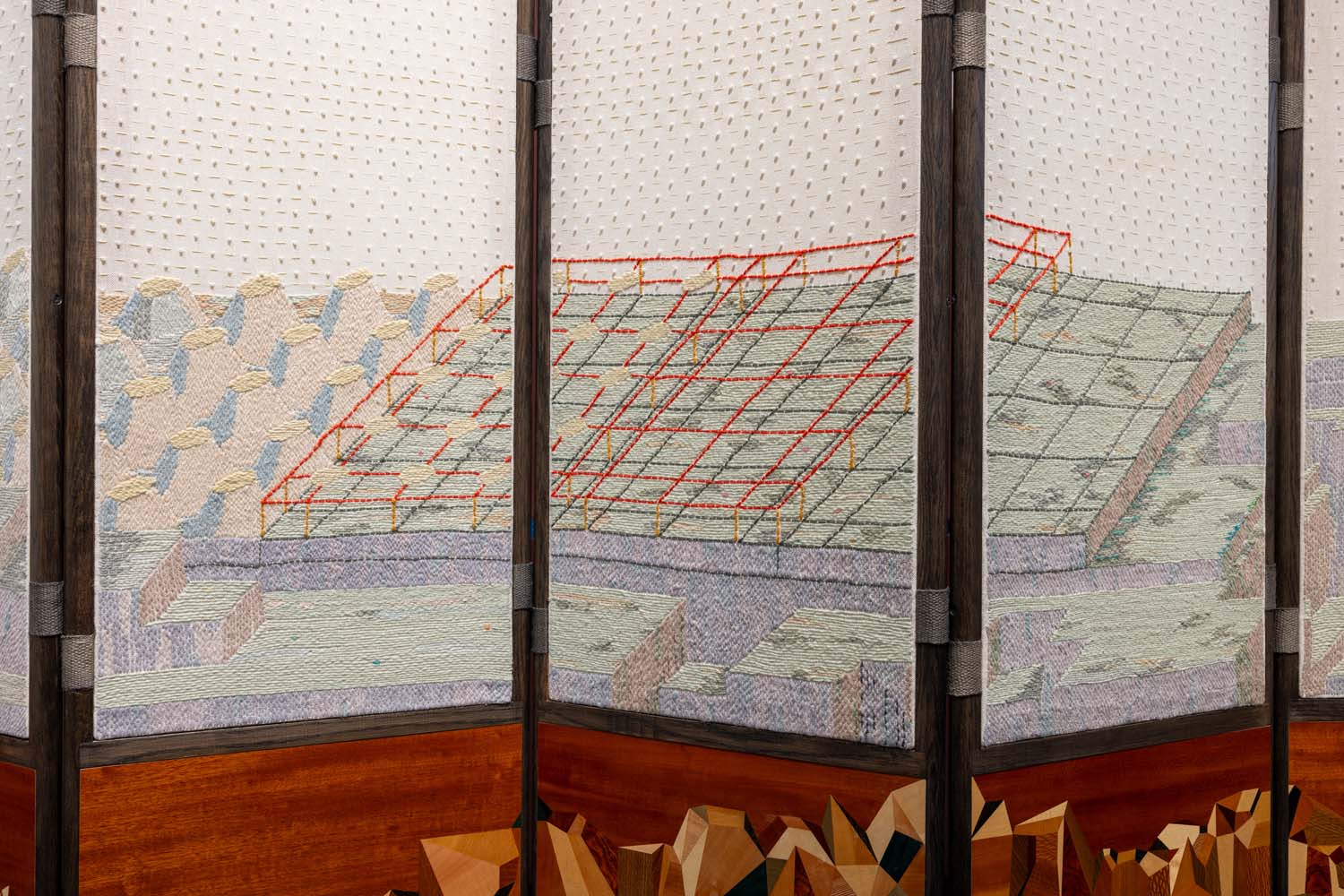
Paul Noble, NEST (detail), 2004, Embroidered screen with appliqué work, beads, marquetry, ph. Roberto Marossi
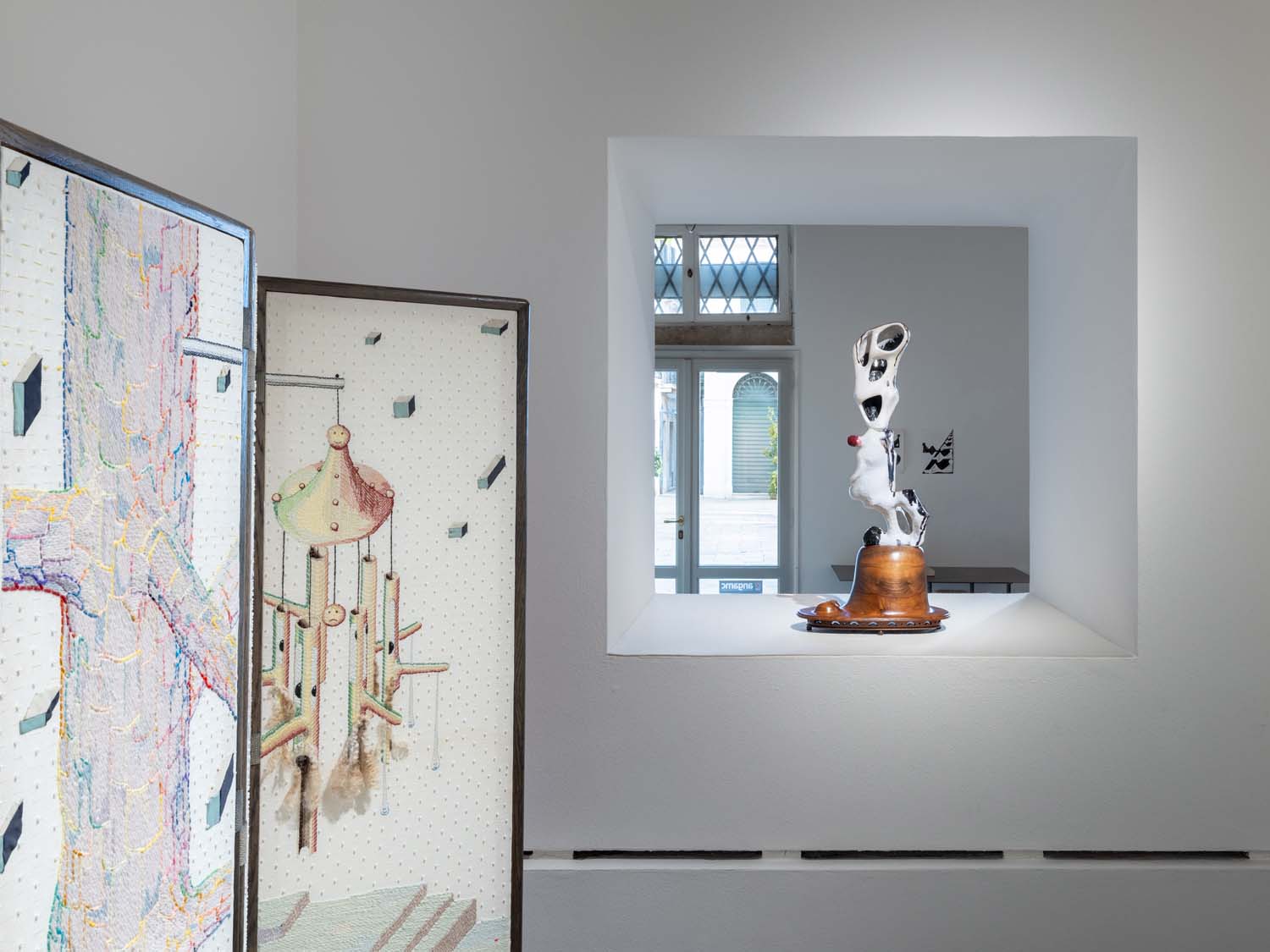
Exhibition view: Paul Noble, THE DECLINING FIGURE, 06.05.2026 - 05.09.2026, ph. Roberto Marossi
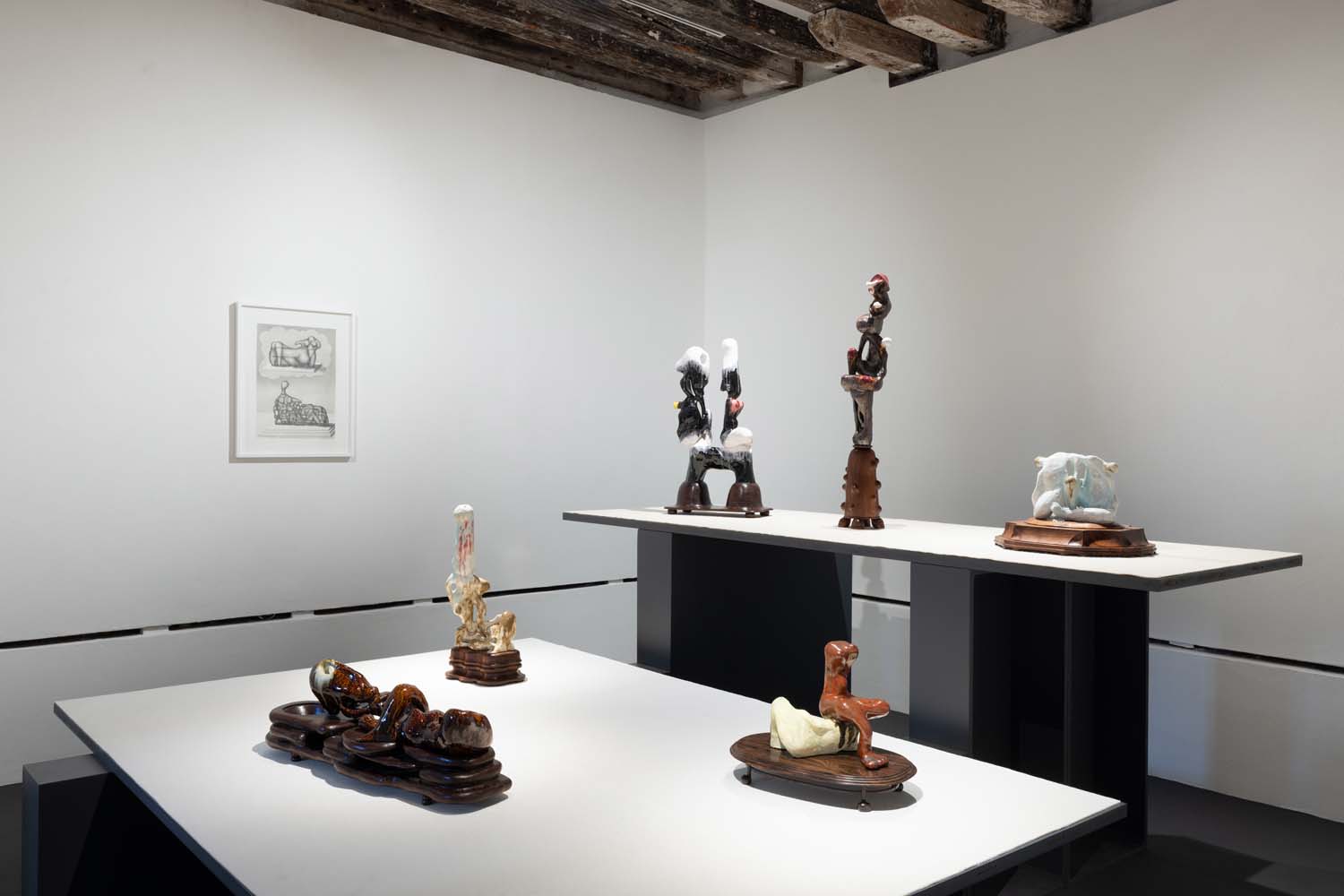
Exhibition view: Paul Noble, THE DECLINING FIGURE, 06.05.2026 - 05.09.2026, ph. Roberto Marossi
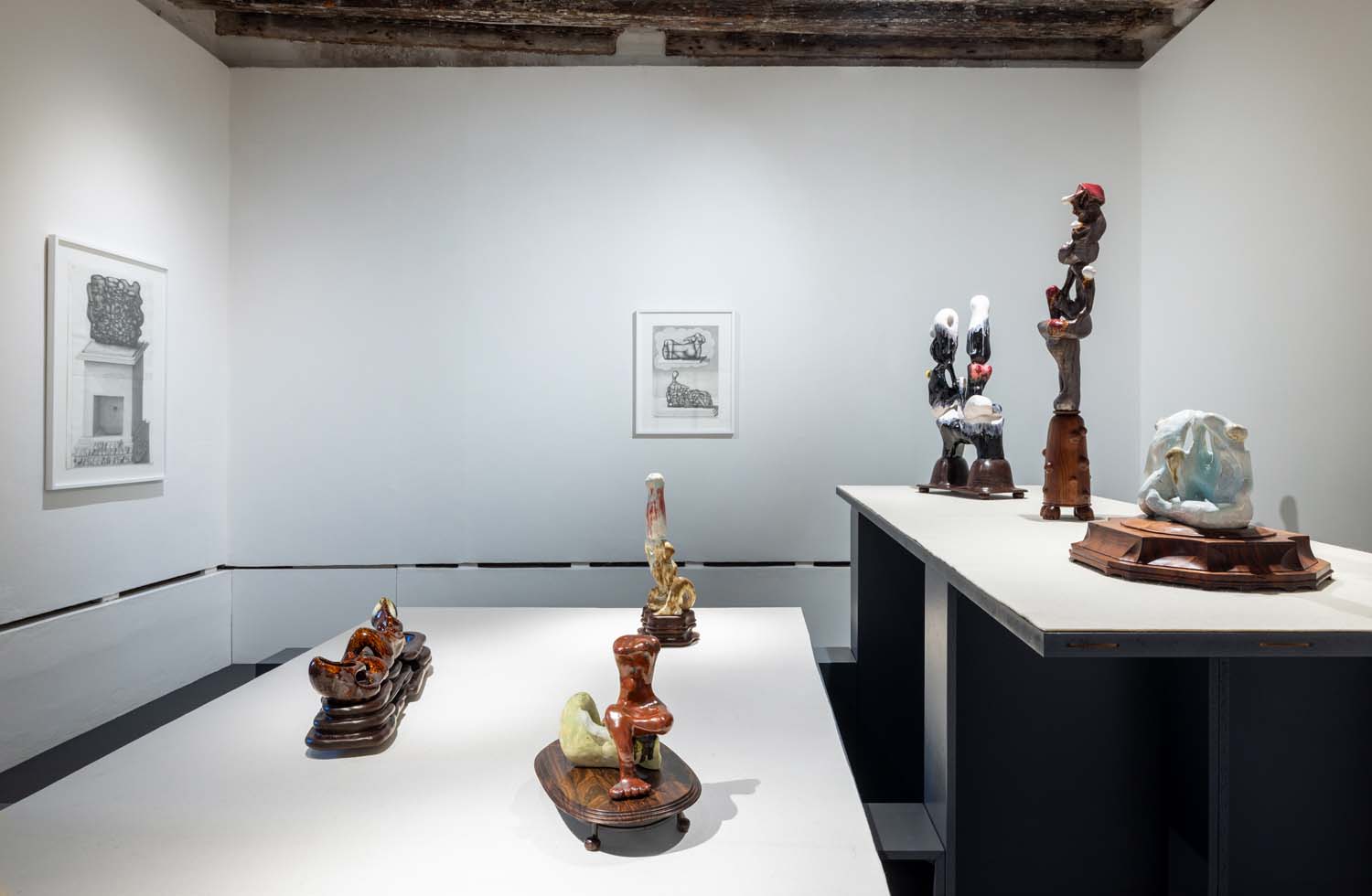
Exhibition view: Paul Noble, THE DECLINING FIGURE, 06.05.2026 - 05.09.2026, ph. Roberto Marossi
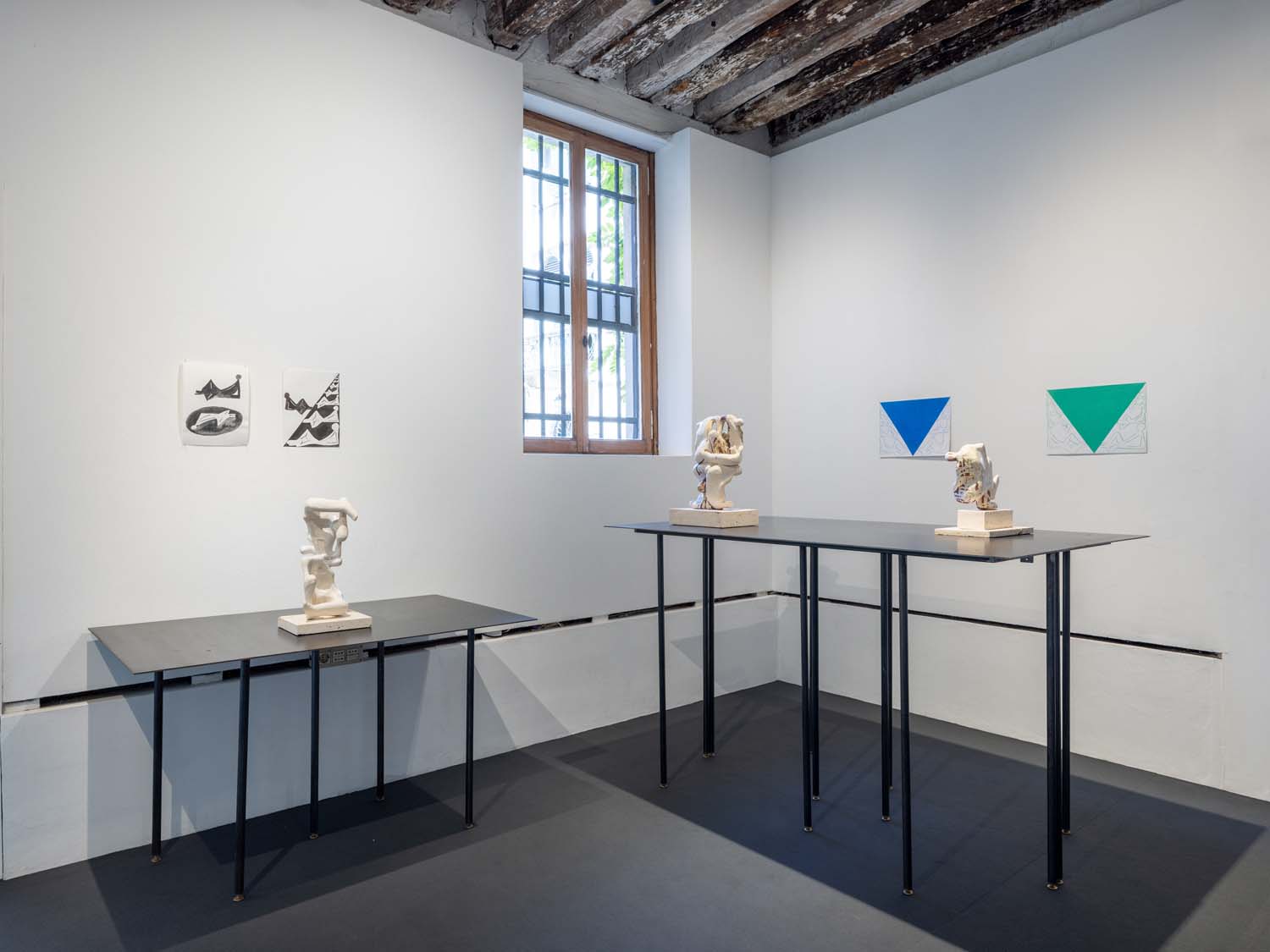
Exhibition view: Paul Noble, THE DECLINING FIGURE, 06.05.2026 - 05.09.2026, ph. Roberto Marossi
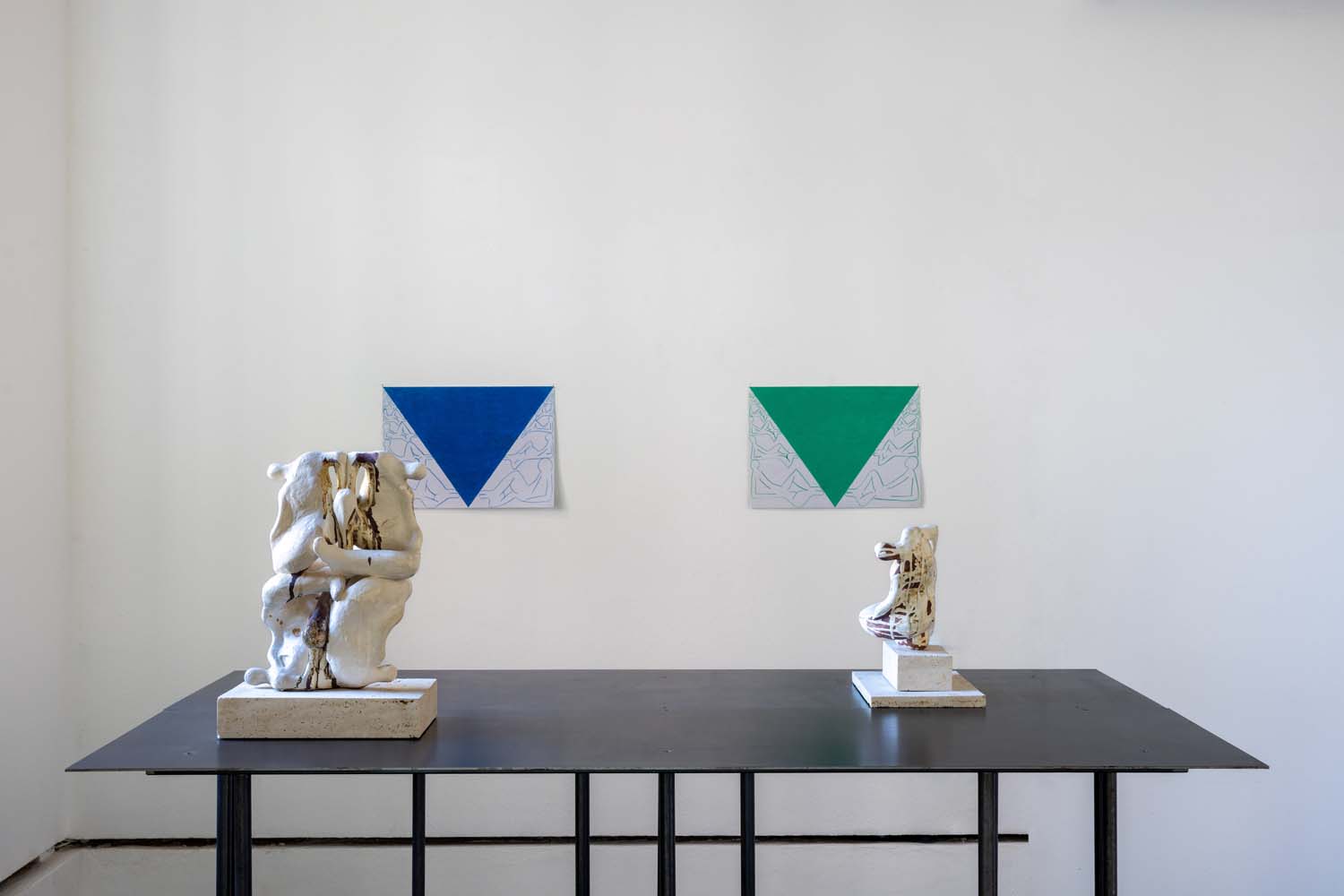
Exhibition view: Paul Noble, THE DECLINING FIGURE, 06.05.2026 - 05.09.2026, ph. Roberto Marossi
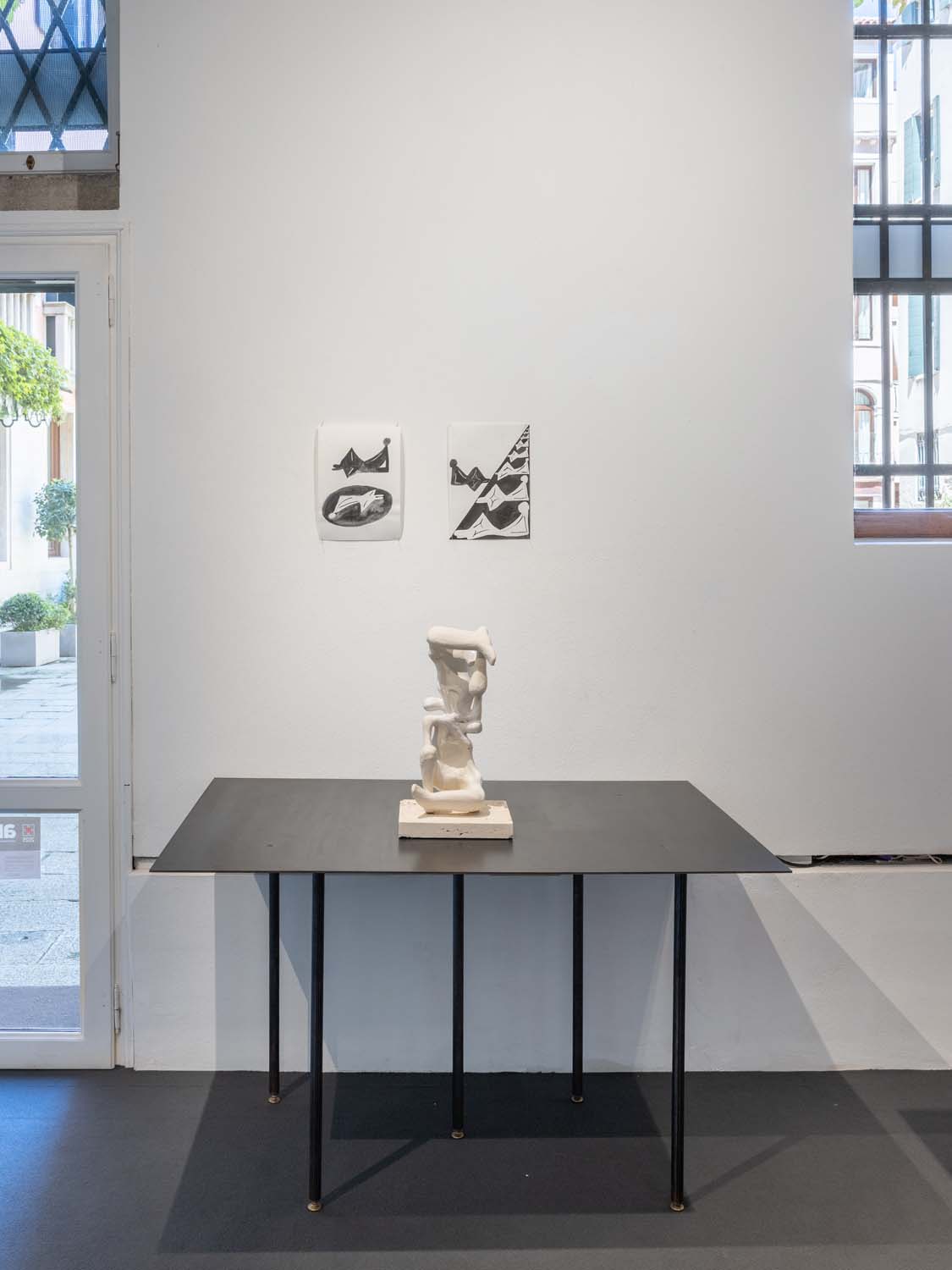
Exhibition view: Paul Noble, THE DECLINING FIGURE, 06.05.2026 - 05.09.2026, ph. Roberto Marossi
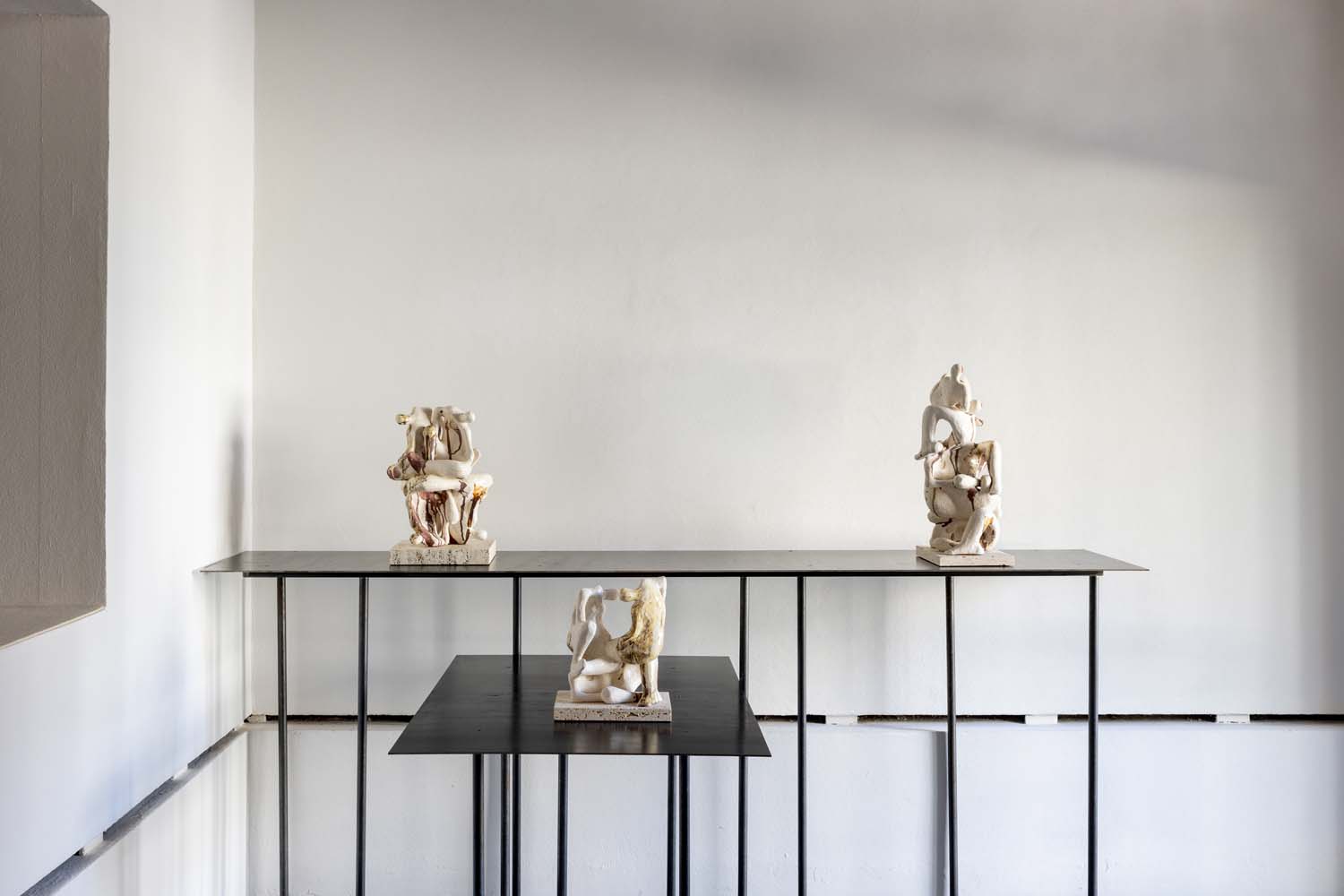
Exhibition view: Paul Noble, THE DECLINING FIGURE, 06.05.2026 - 05.09.2026, ph. Roberto Marossi
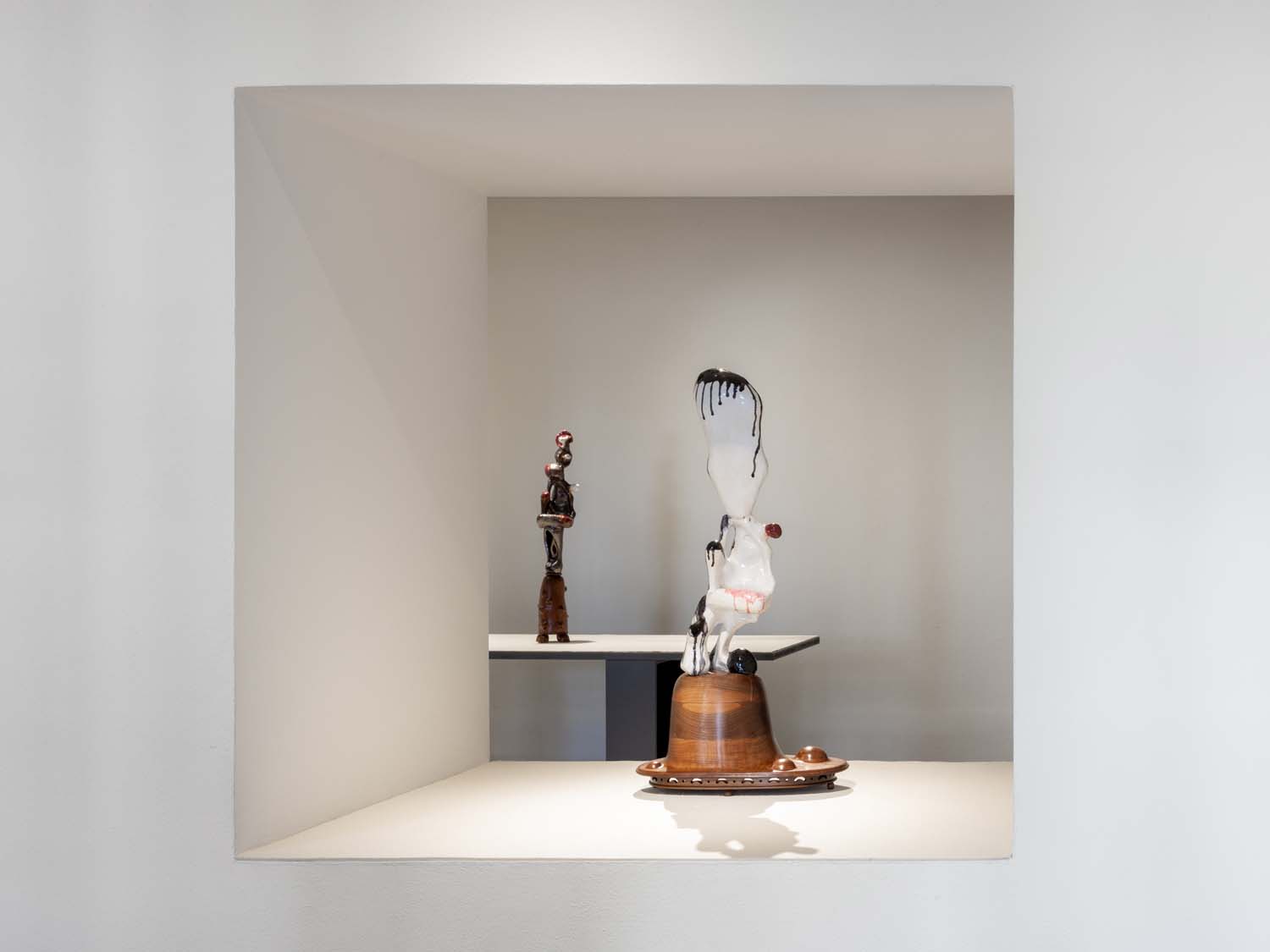
Exhibition view: Paul Noble, THE DECLINING FIGURE, 06.05.2026 - 05.09.2026, ph. Roberto Marossi
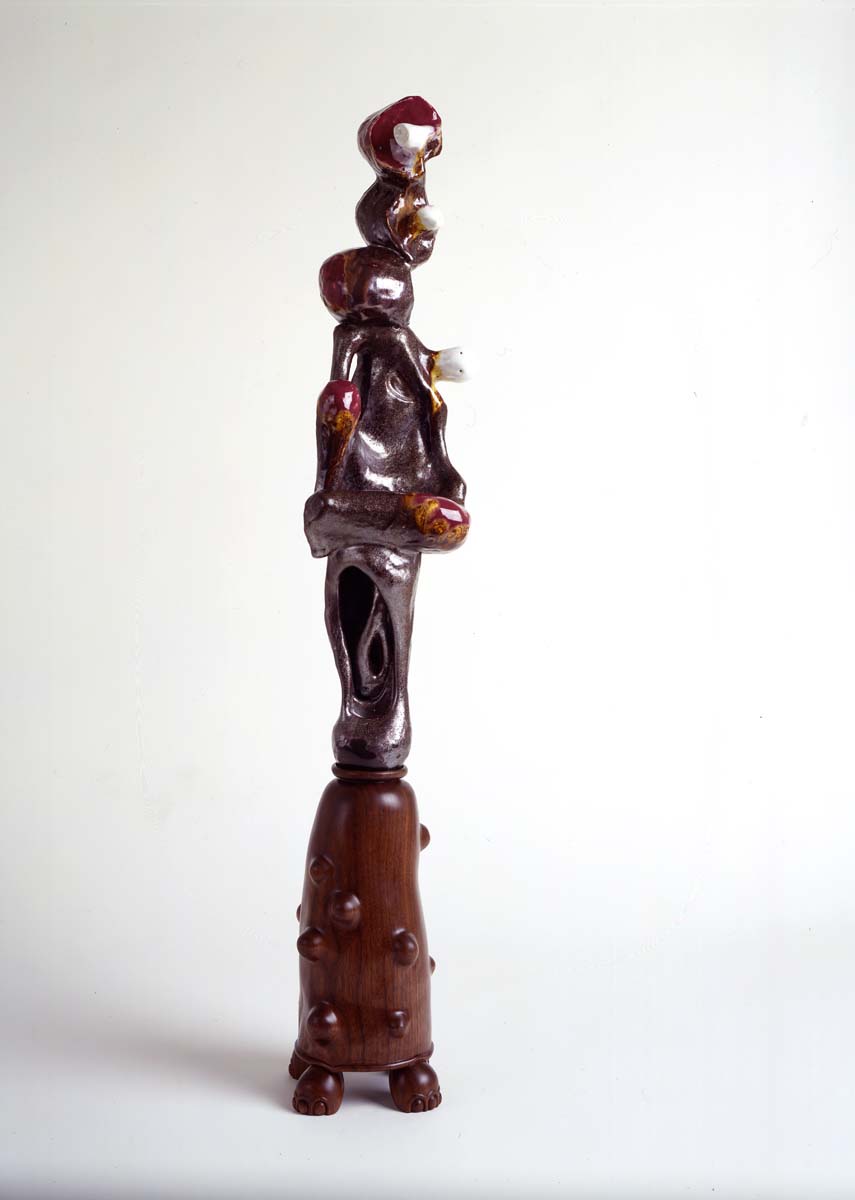
Paul Noble, eight, 2006-7, Glazed ceramic, walnut base, 90x18x18cm, Courtesy the artist
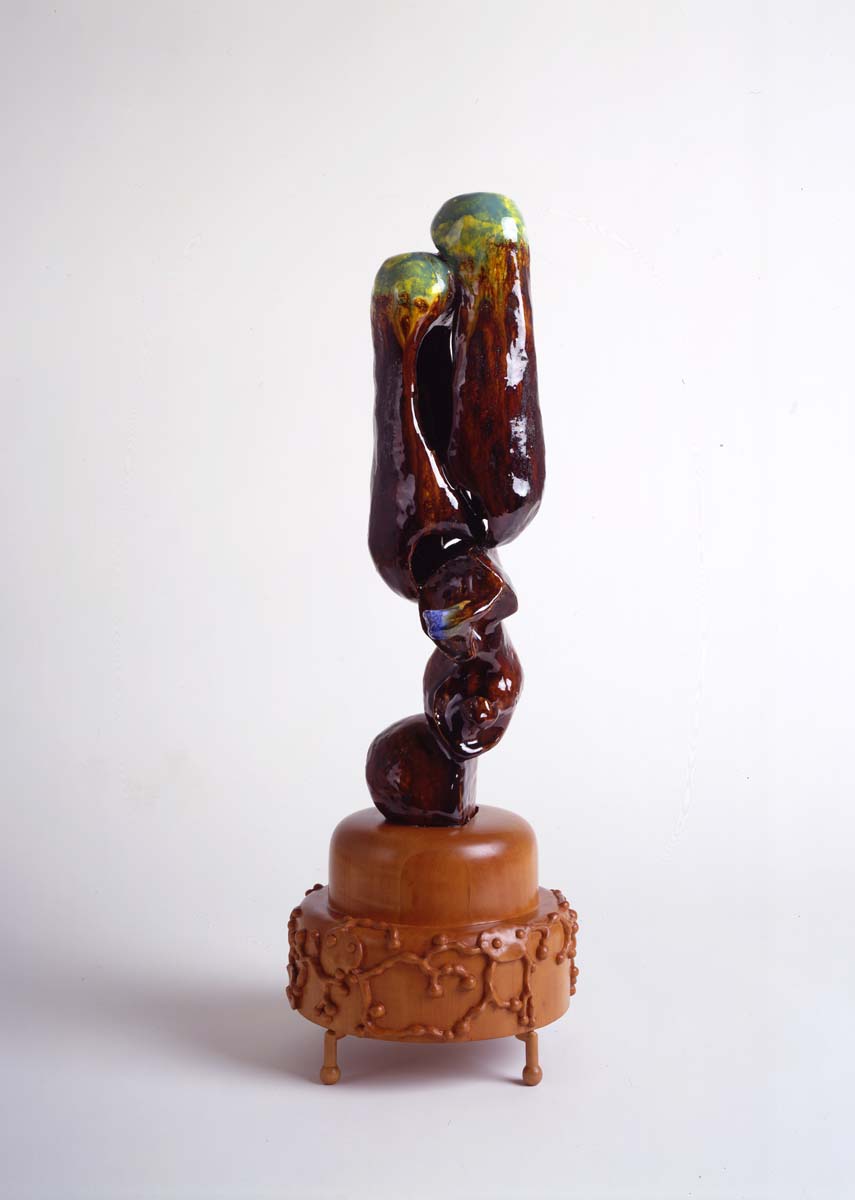
Paul Noble, nine, 2006-7, Glazed ceramic, pear base, 64x20x20cm, Courtesy the artist
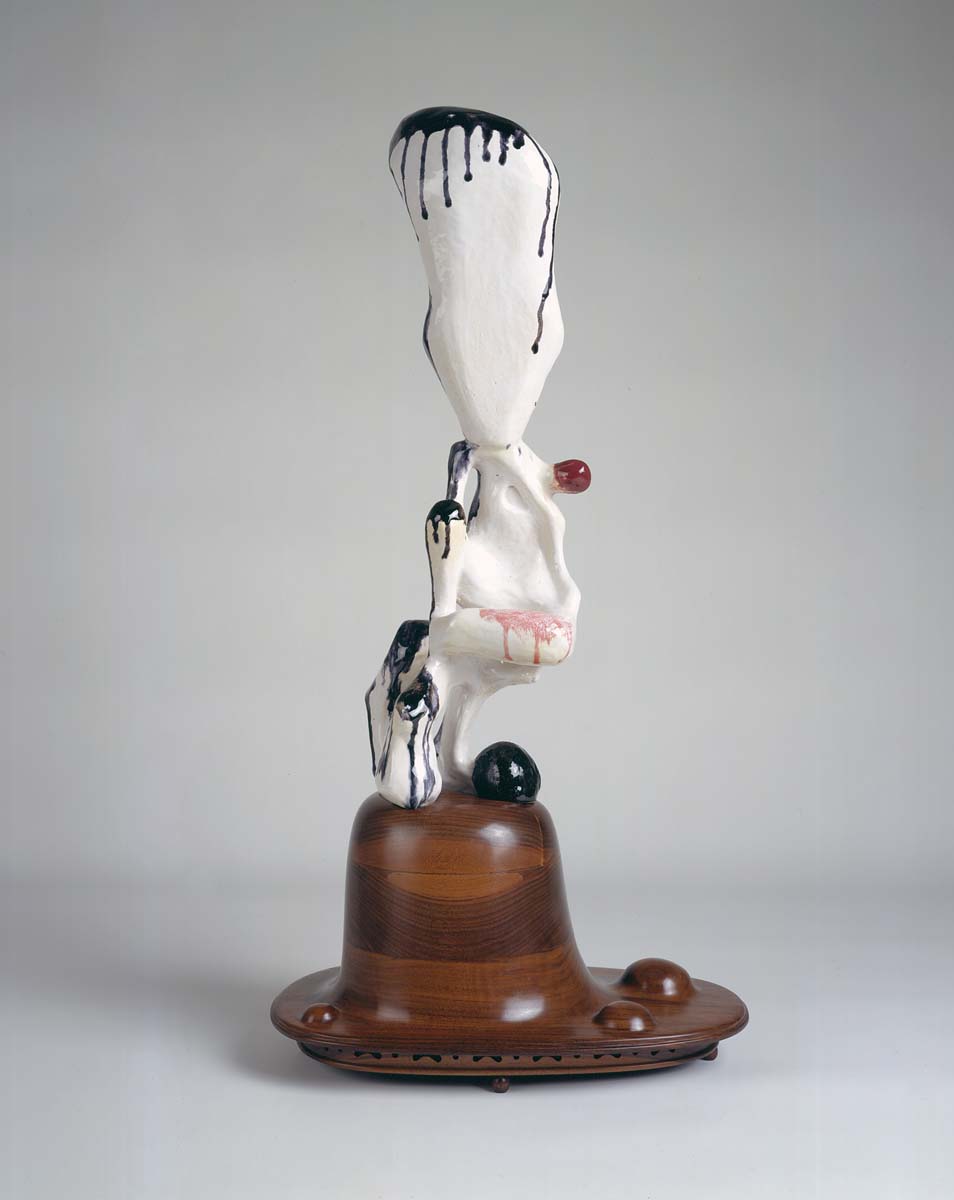
Paul Noble, nineteen, 2007, Glazed ceramic, walnut base, 89x28x44cm, Courtesy the artist
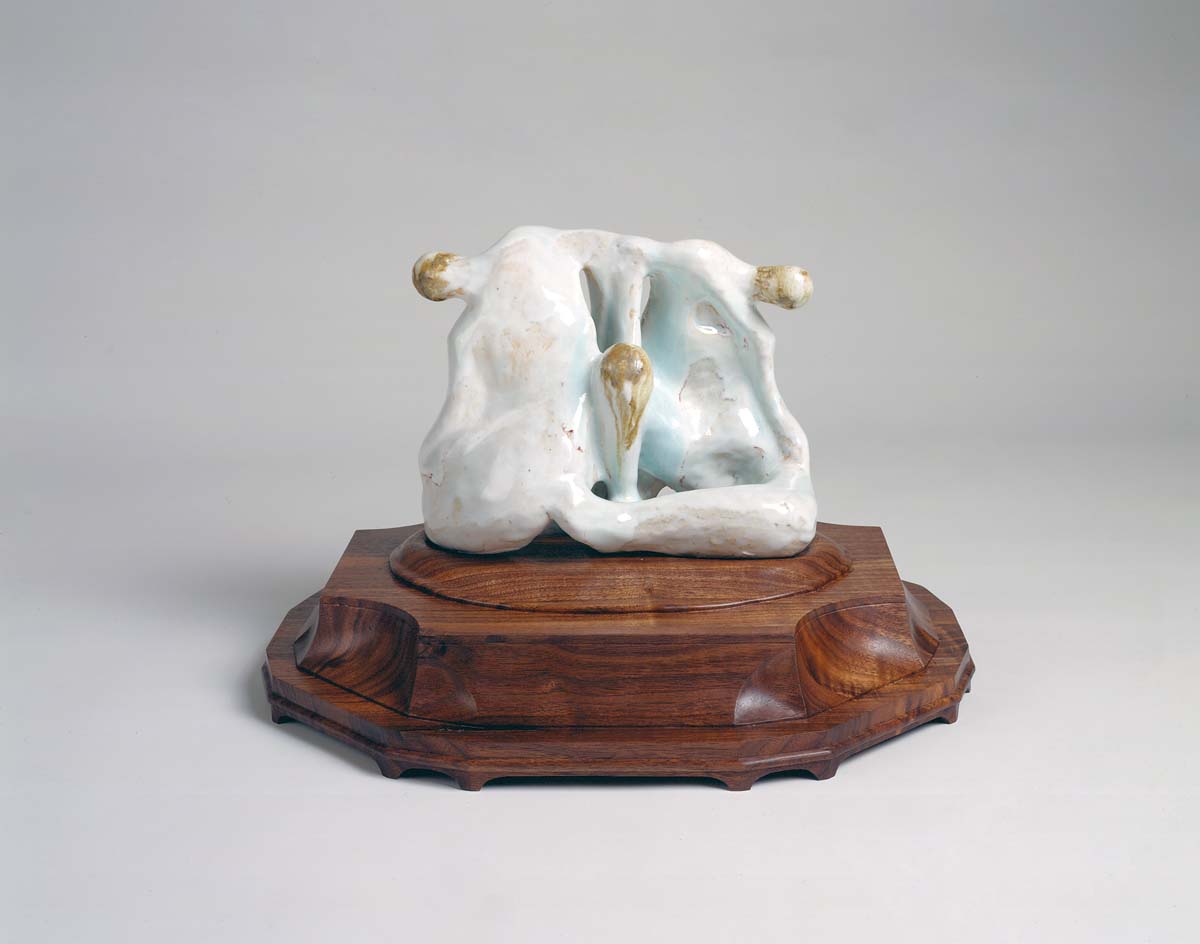
Paul Noble, seventeen, 2007, Glazed ceramic, walnut base, 28x37x45cm, Courtesy the artist
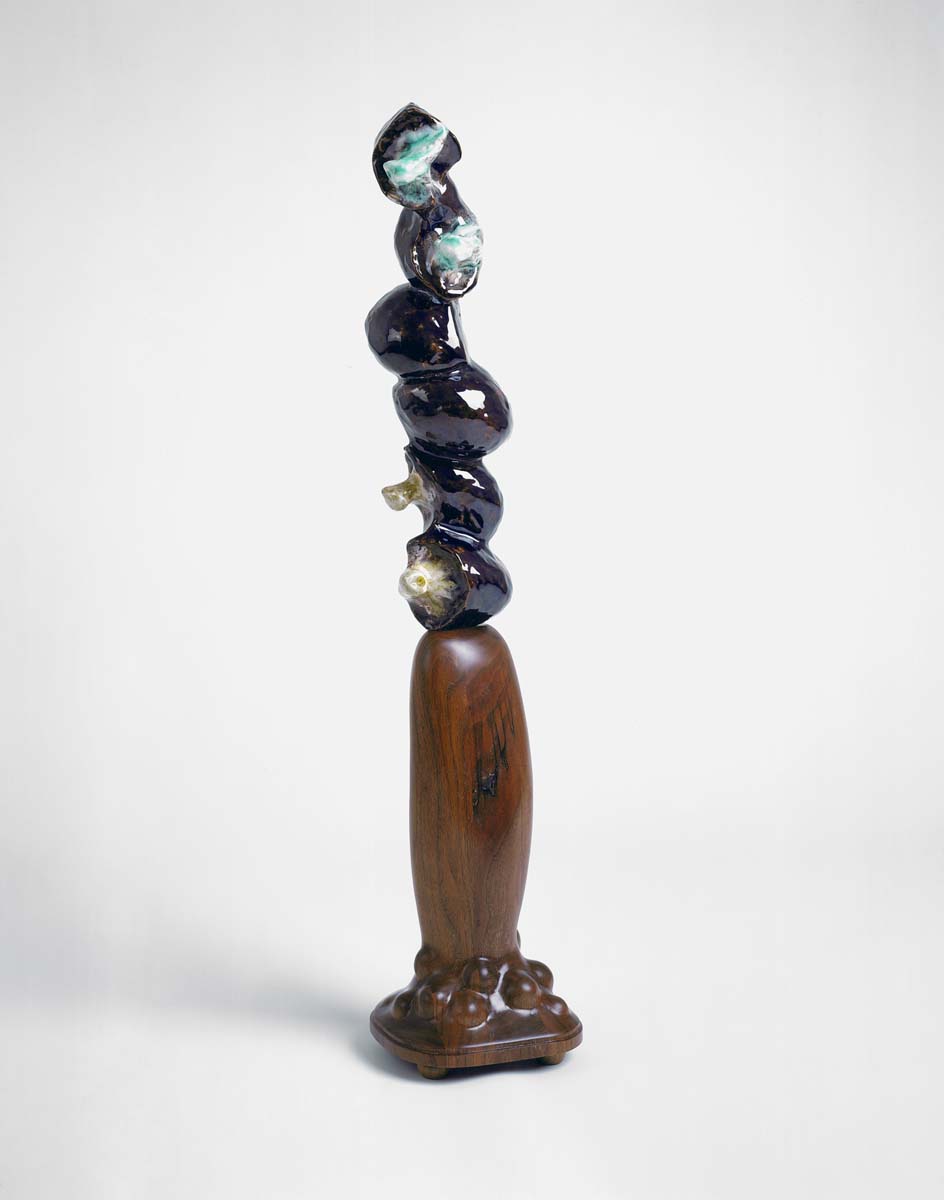
Paul Noble, six, 2006-7, Glazed ceramic, walnut base, 78x19x19cm, Courtesy the artist
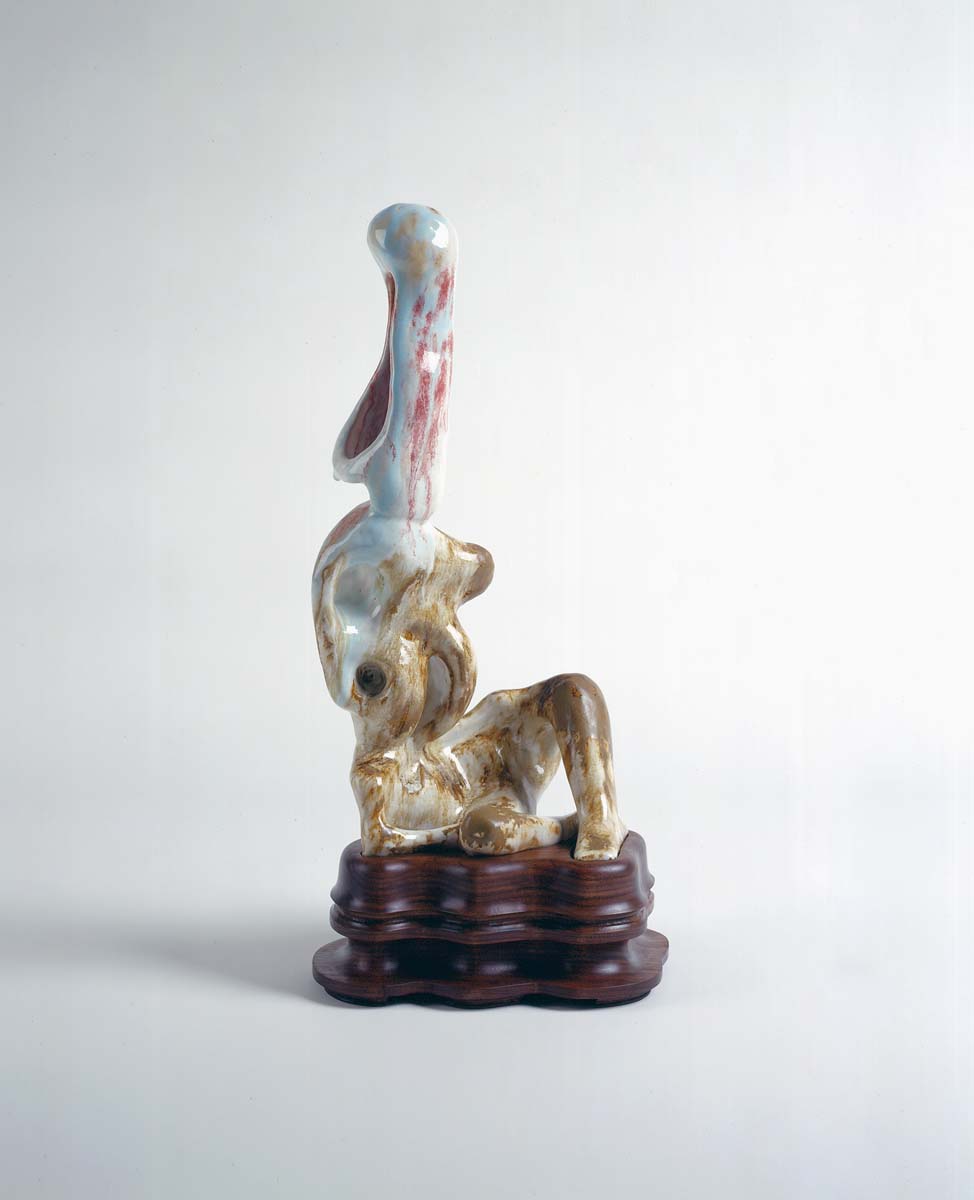
Paul Noble, sixteen, 2007, Glazed ceramic, walnut base, 60x27,5x21,5cm, Courtesy the artist
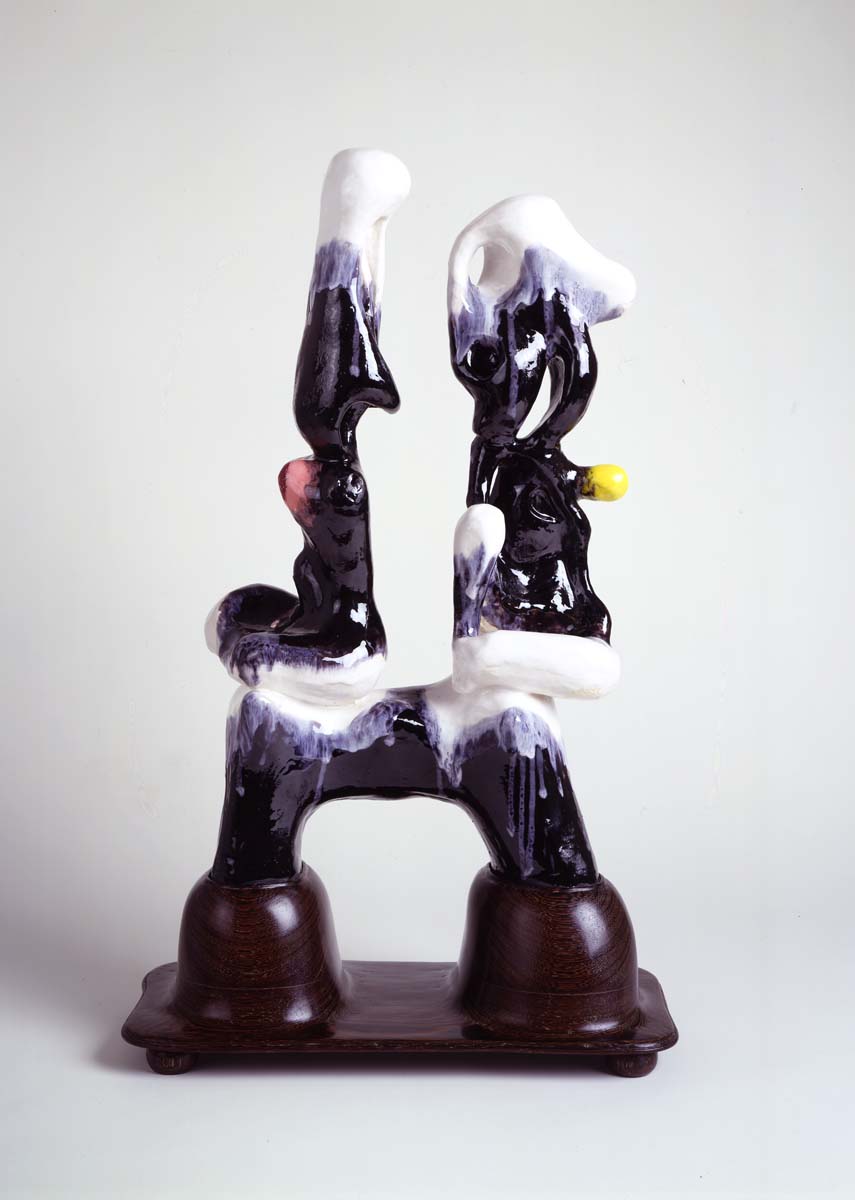
Paul Noble, ten, 2006-7, Glazed ceramic, wengé base, 71x42.5x21,6cm, Courtesy the artist
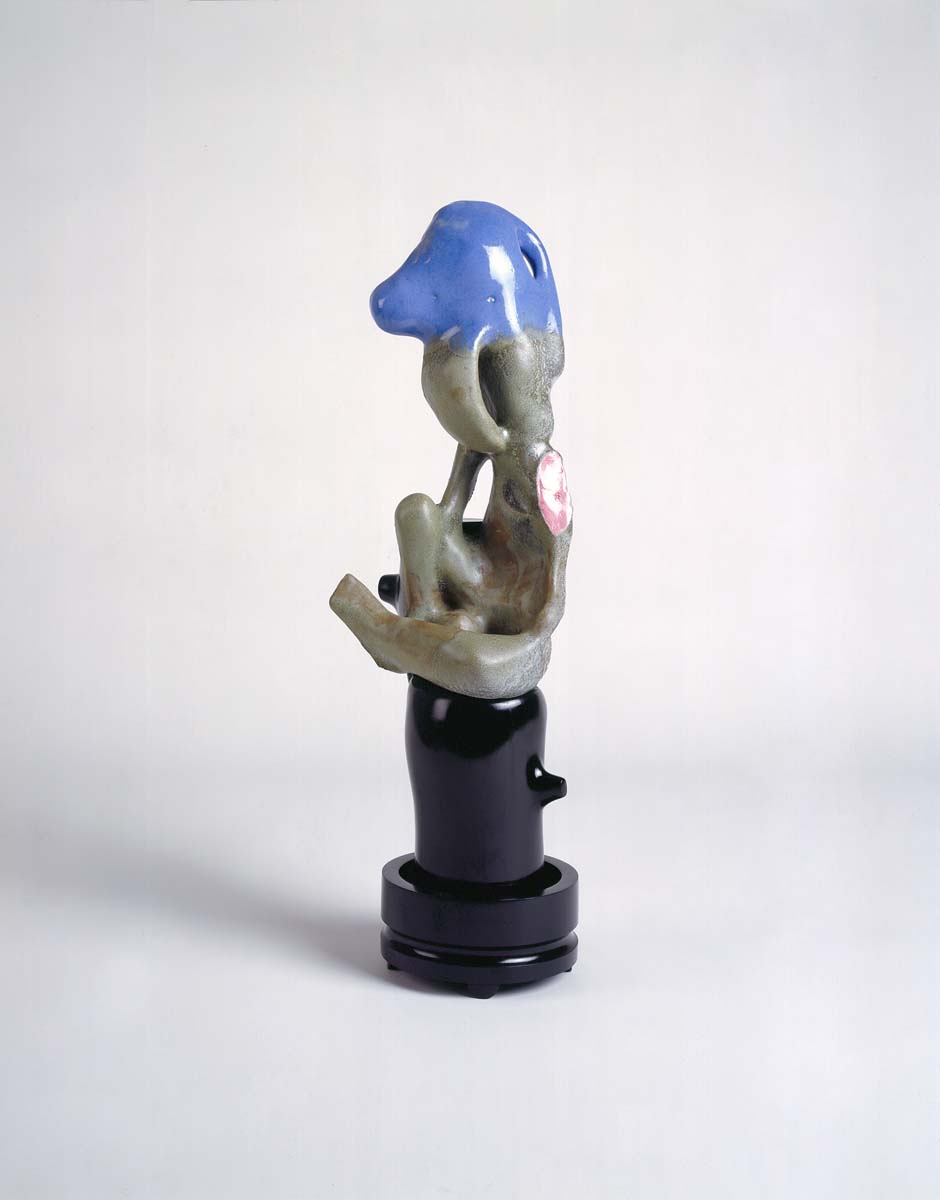
Paul Noble, twelve, 2007, Glazed ceramic, pear base, 42x30x30cm, Courtesy the artist
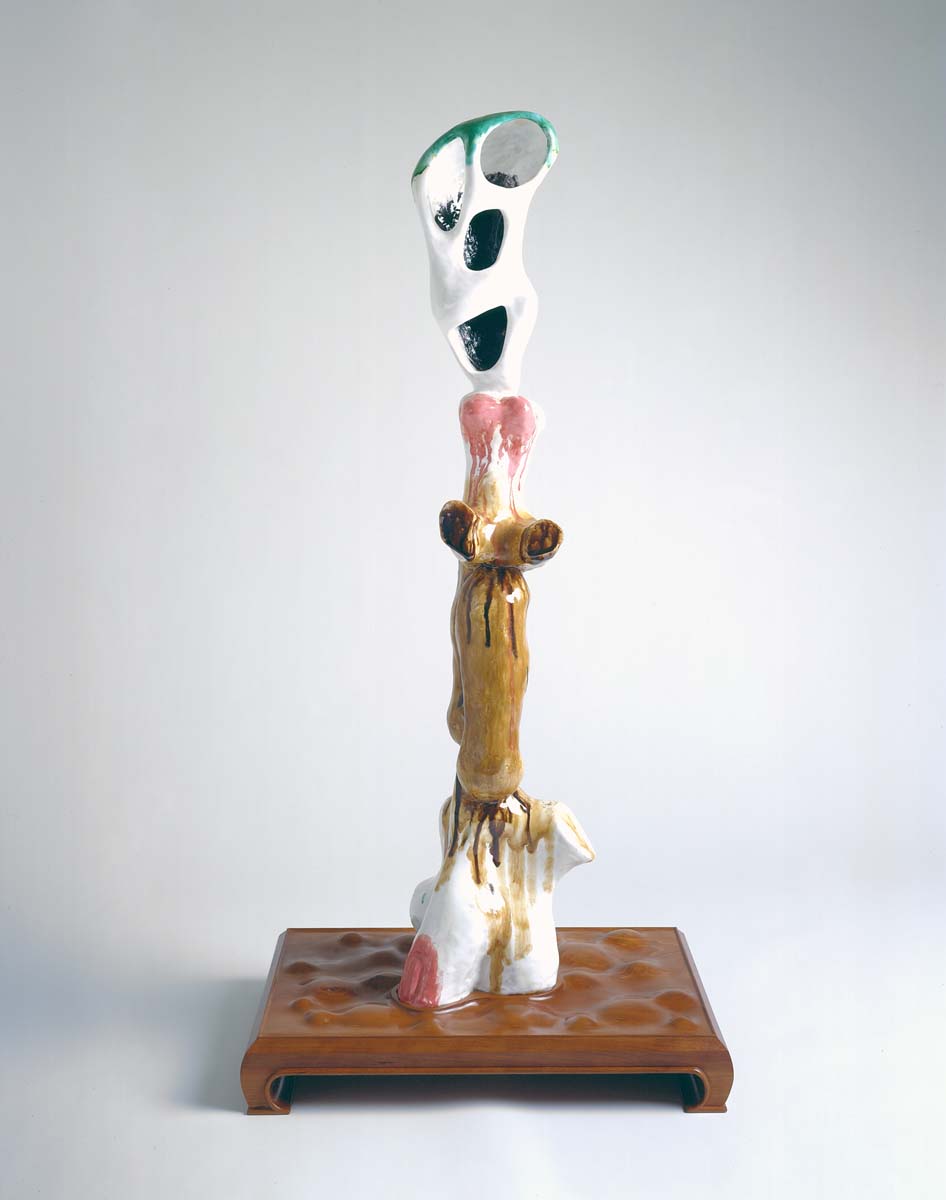
Paul Noble, two, 2006-7, Glazed ceramic, cherry base, 103x50x35cm, Courtesy the artist
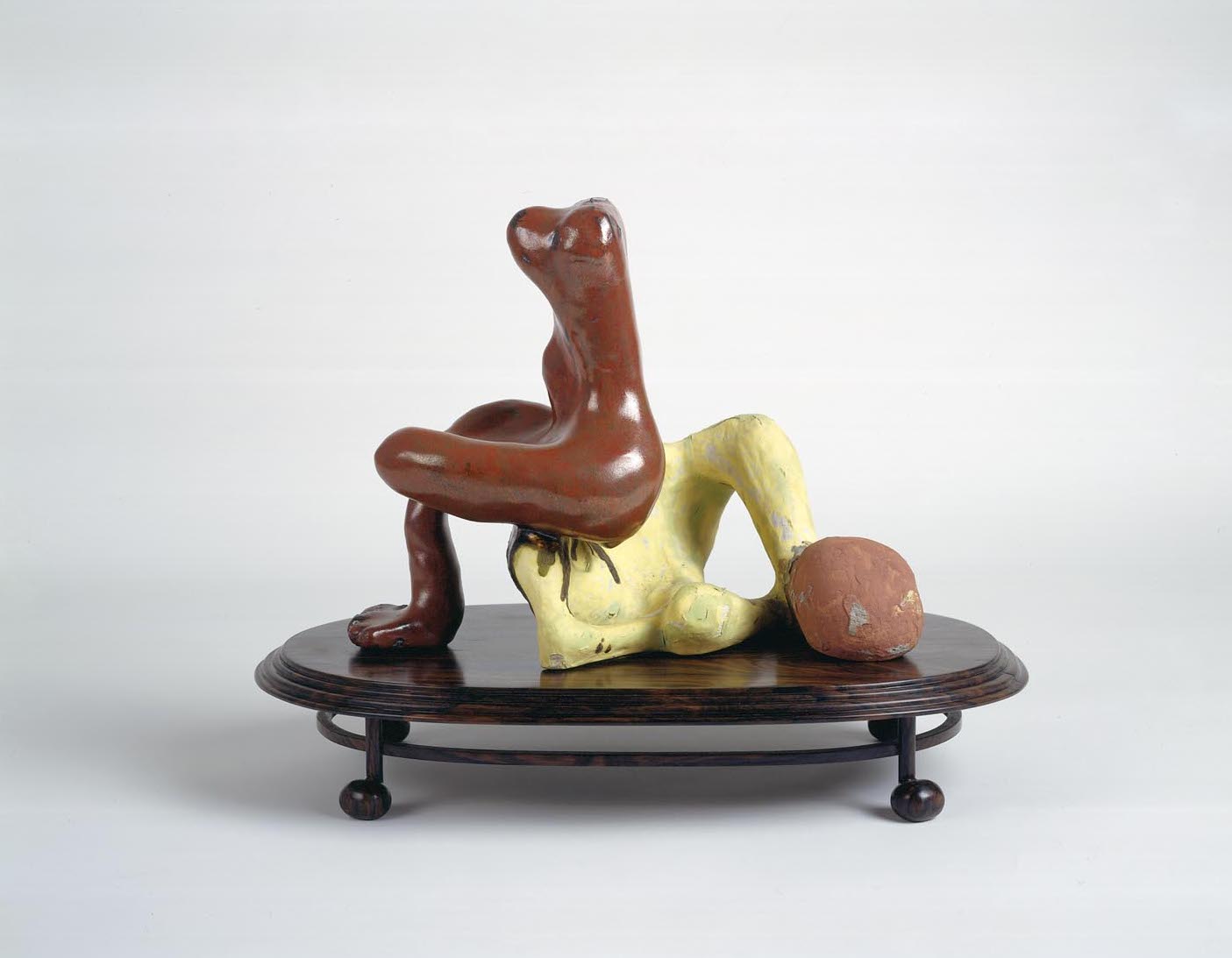
Paul Noble, twenty, 2007, Glazed ceramic, ziricote base, 33x26x46cm, Courtesy the artist
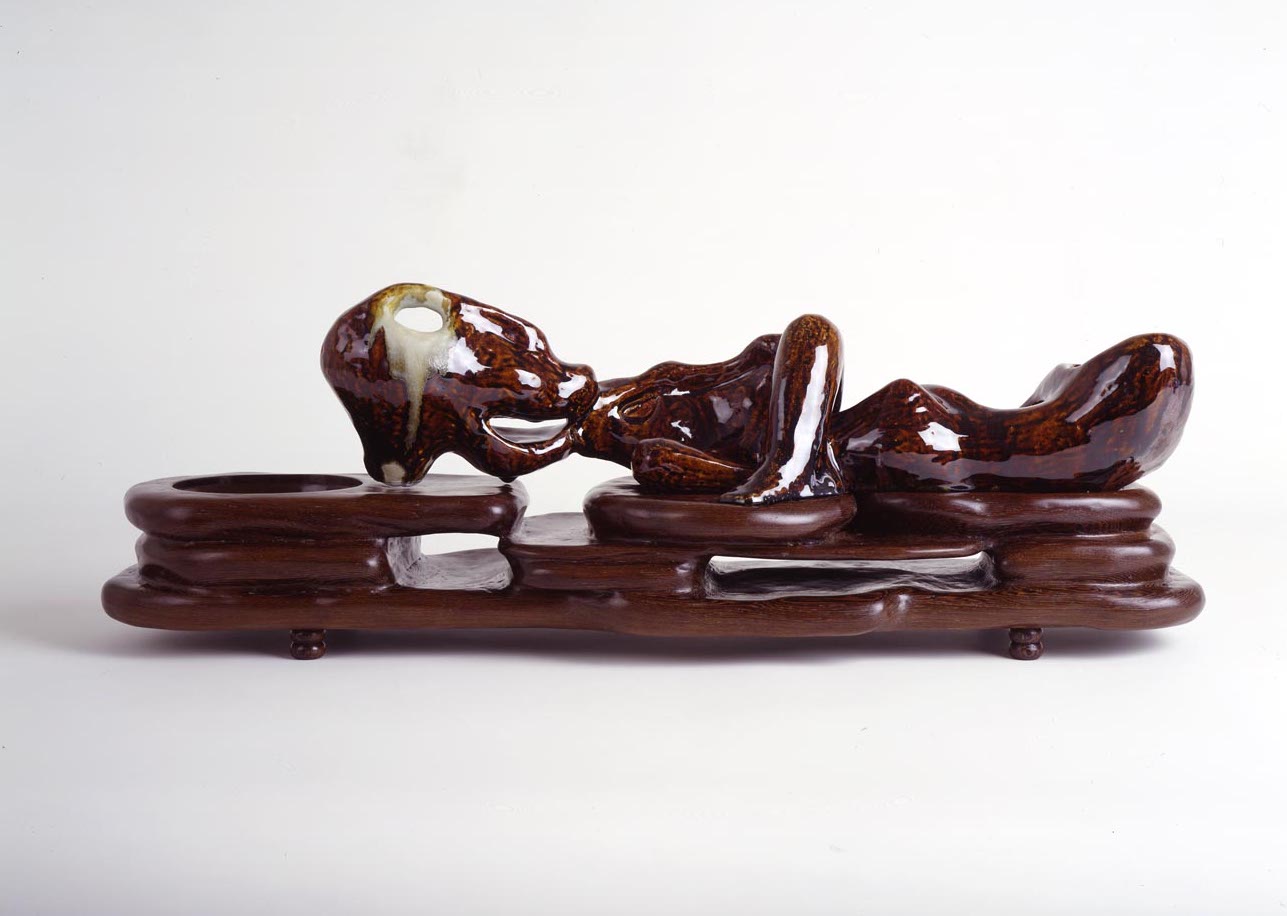
Paul Noble, thirteen, 2007, Glazed ceramic, wengé base, 26x79x22cm, Courtesy the artist
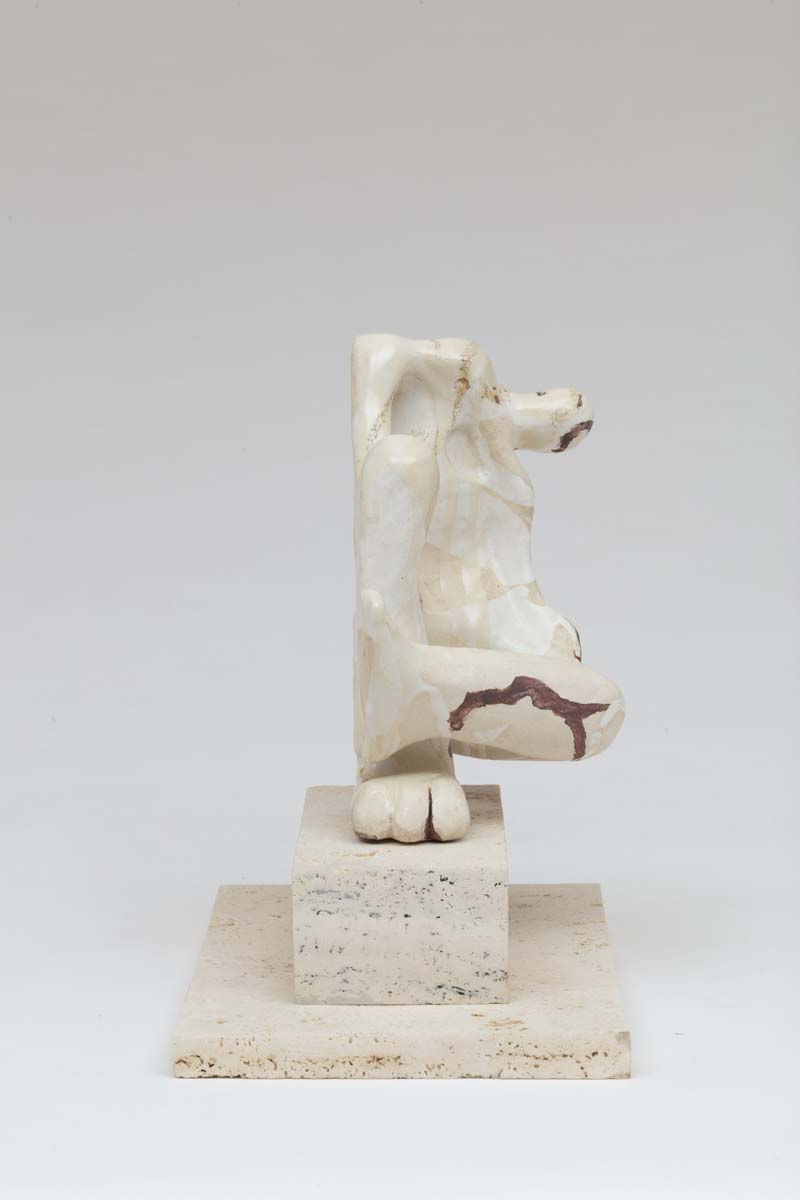
Paul Noble, HONEM (4), 2017, Glazed ceramic, travertine base, 25x13x16cm, ph Lucy Dawkins
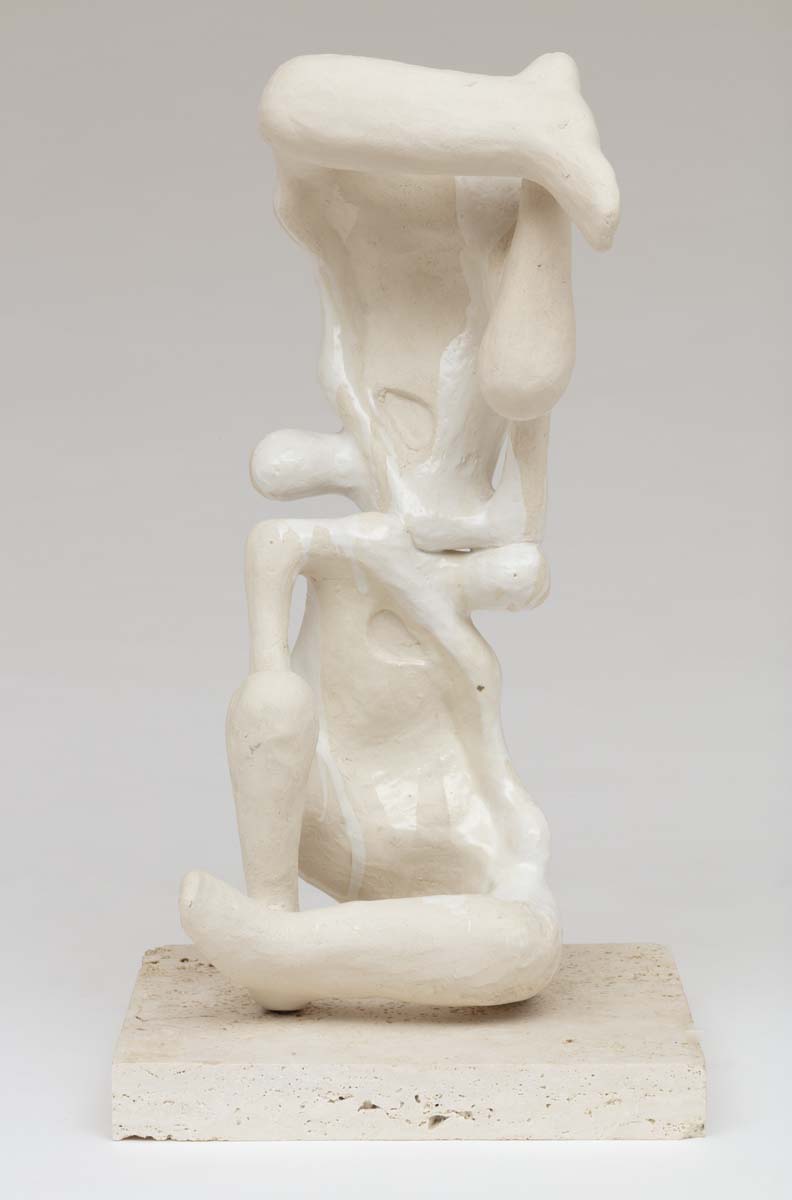
Paul Noble, HTWOM (2), 2017, Glazed ceramic, travertine base, 40,5x14x16cm, ph Lucy Dawkins
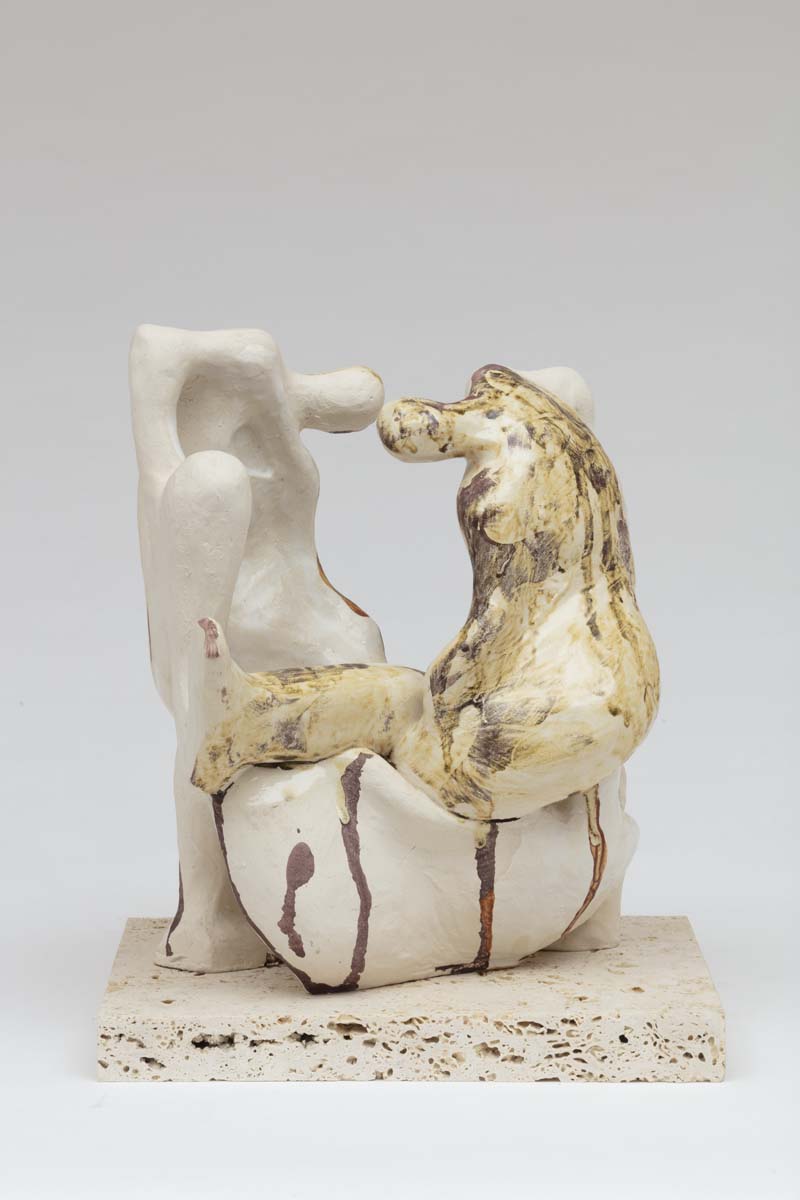
Paul Noble, HTHREEM (3), 2017, Glazed ceramic, travertine base, 31x27x25cm, ph Lucy Dawkins
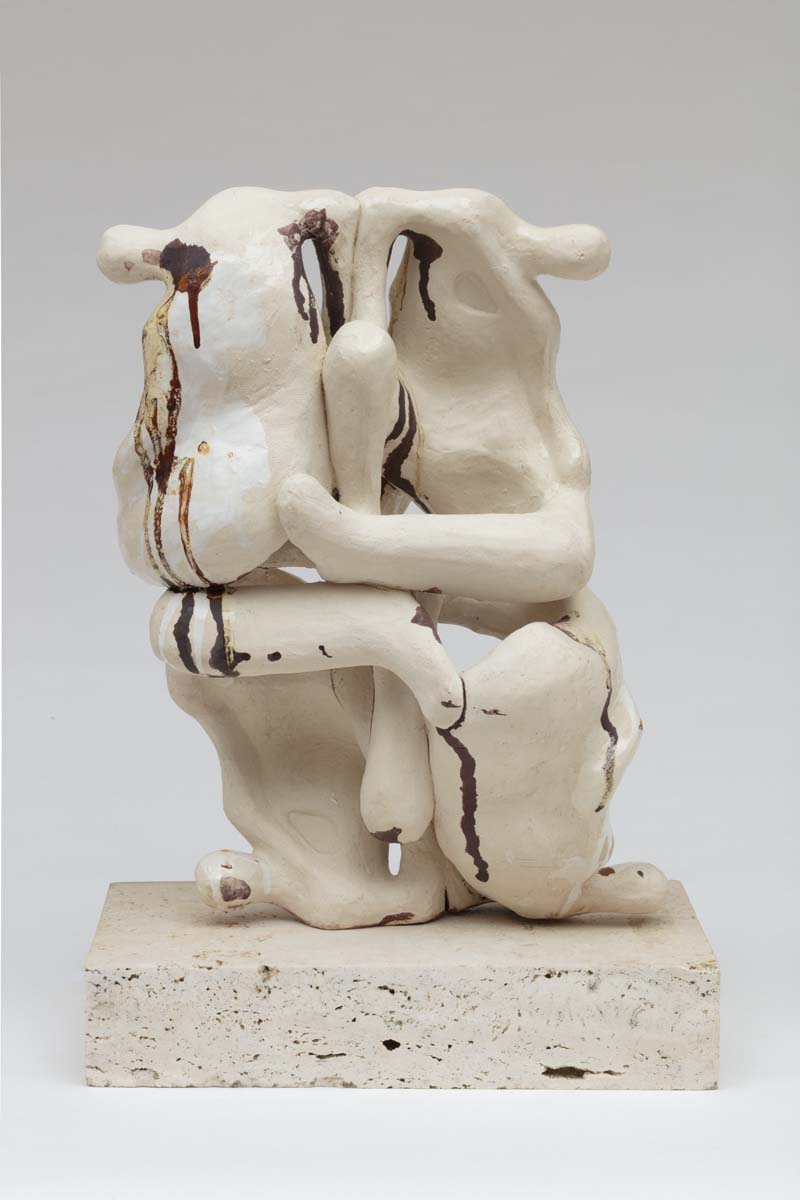
Paul Noble, HFOURM, 2017, Glazed ceramic, travertine base, 39x30x16cm, ph Lucy Dawkins
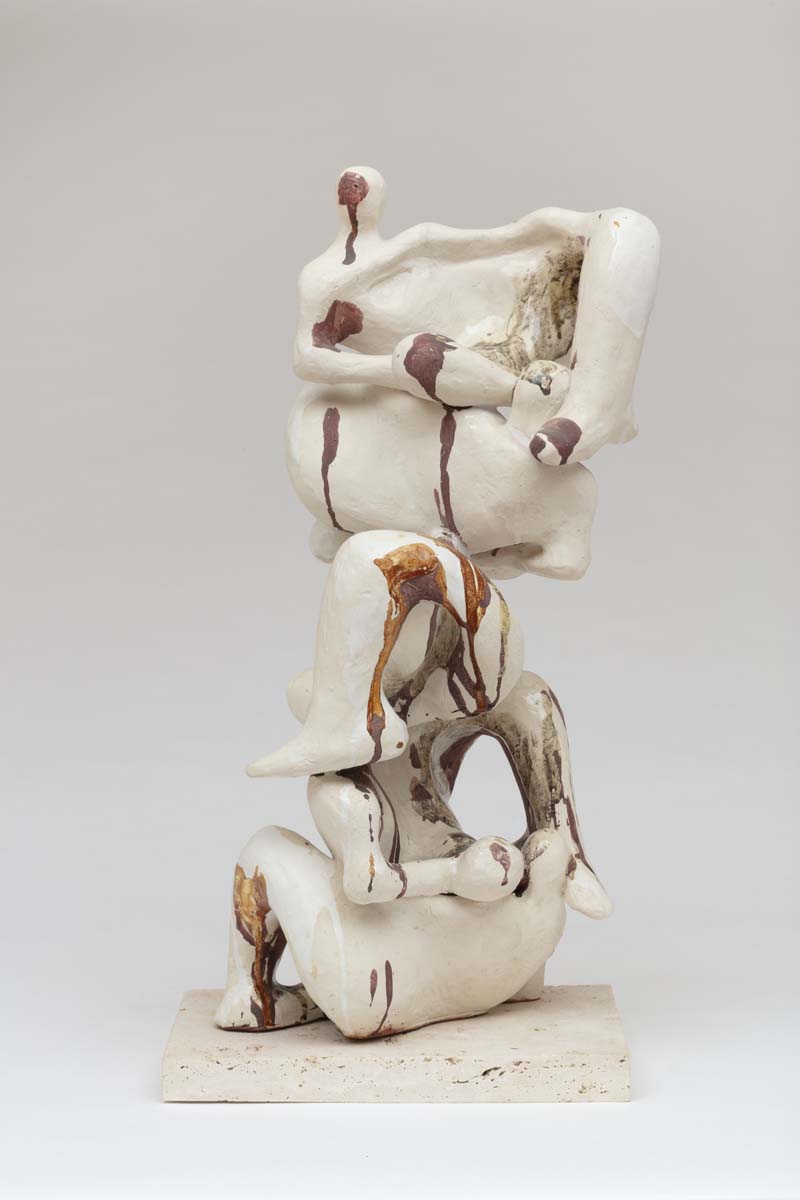
Paul Noble, HFIVEM, 2017, Glazed ceramic, travertine base, 52x24x24cm, ph Lucy Dawkins
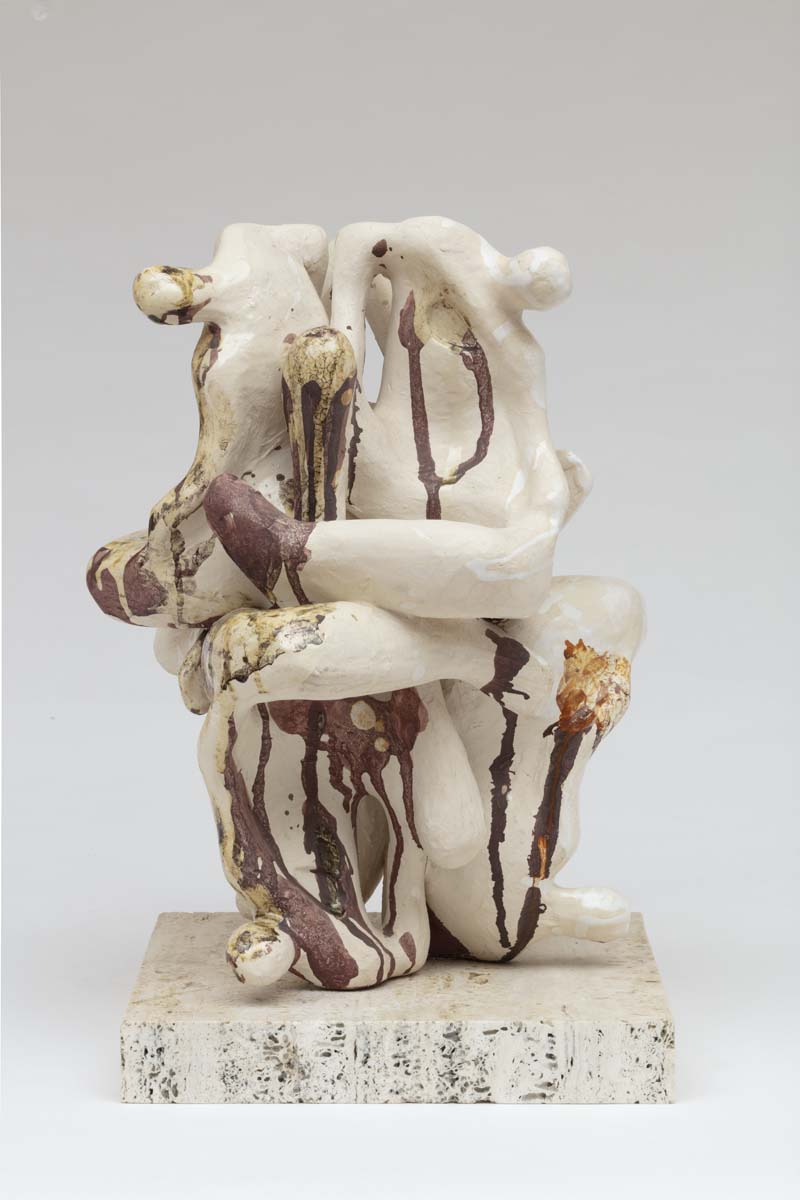
Paul Noble, HSIXM, 2017, Glazed ceramic, travertine base, 40x28x28cm, ph Lucy Dawkins
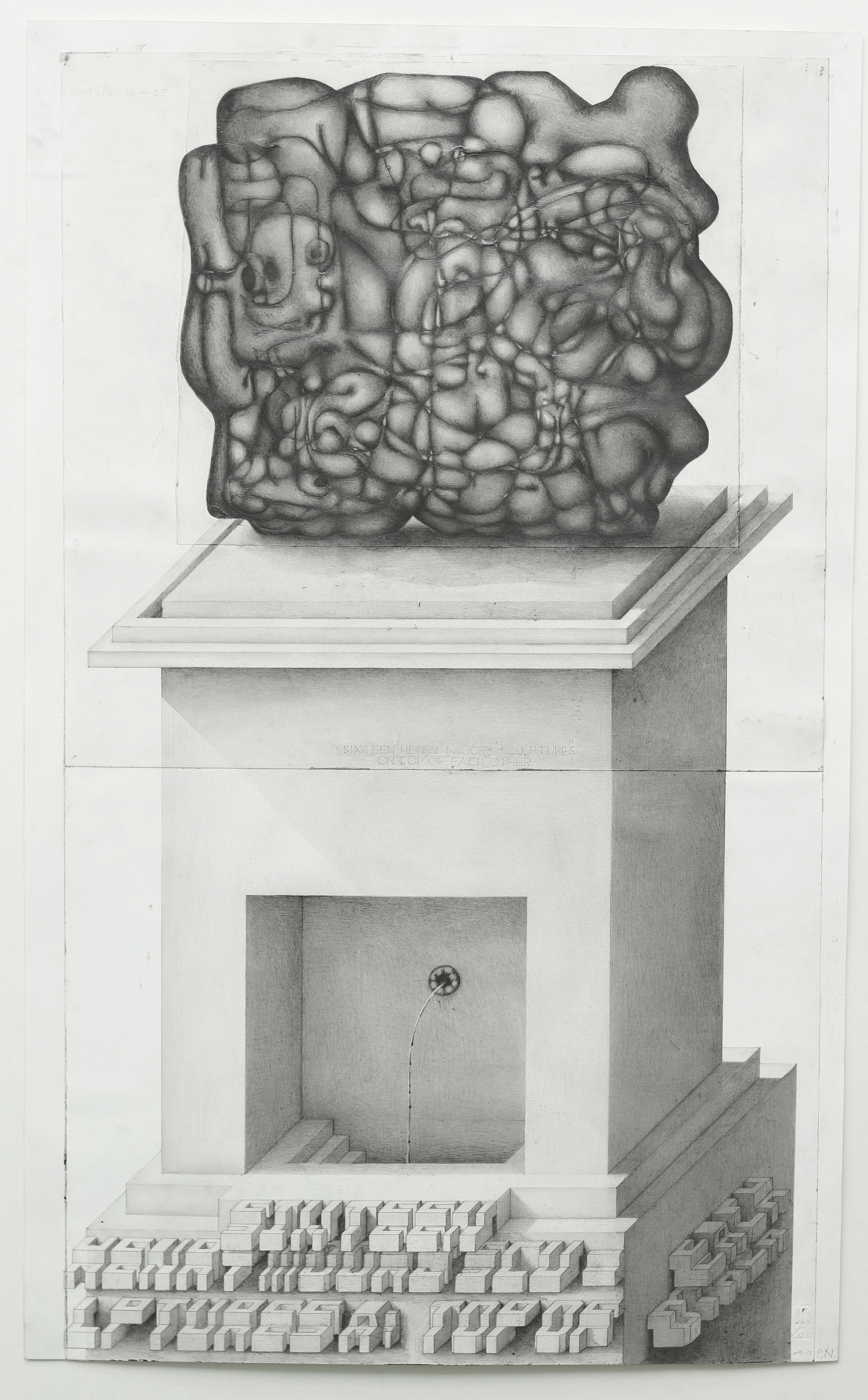
Paul Noble, Sixteen Henry Moore On Top Of Each Other, 2005-25, Pencil on paper, 85,5x53cm, Courtesy the artist
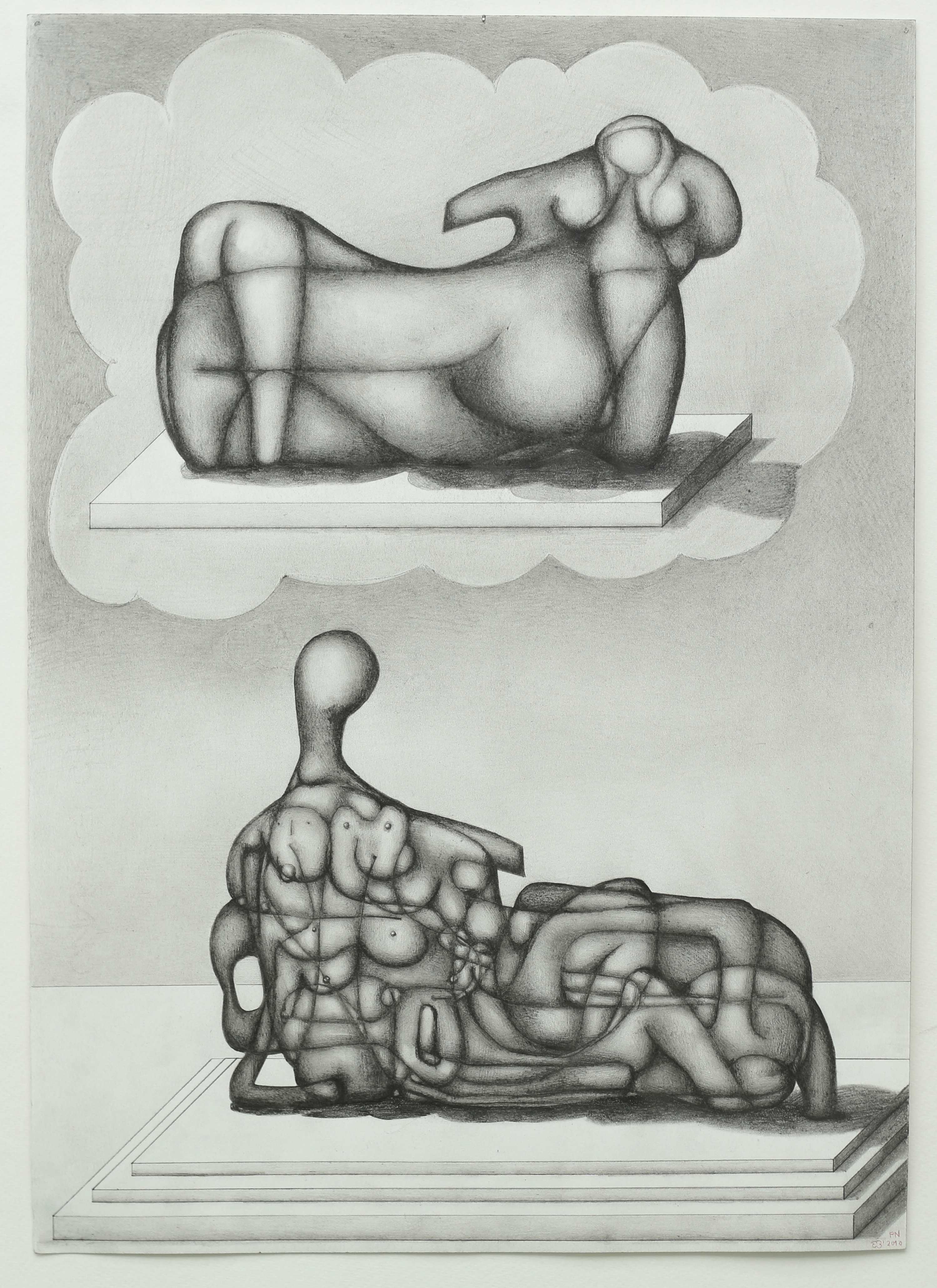
Paul Noble, Thought, 2010, Pencil and stain on paper, 35,5x50cm, Courtesy the artist
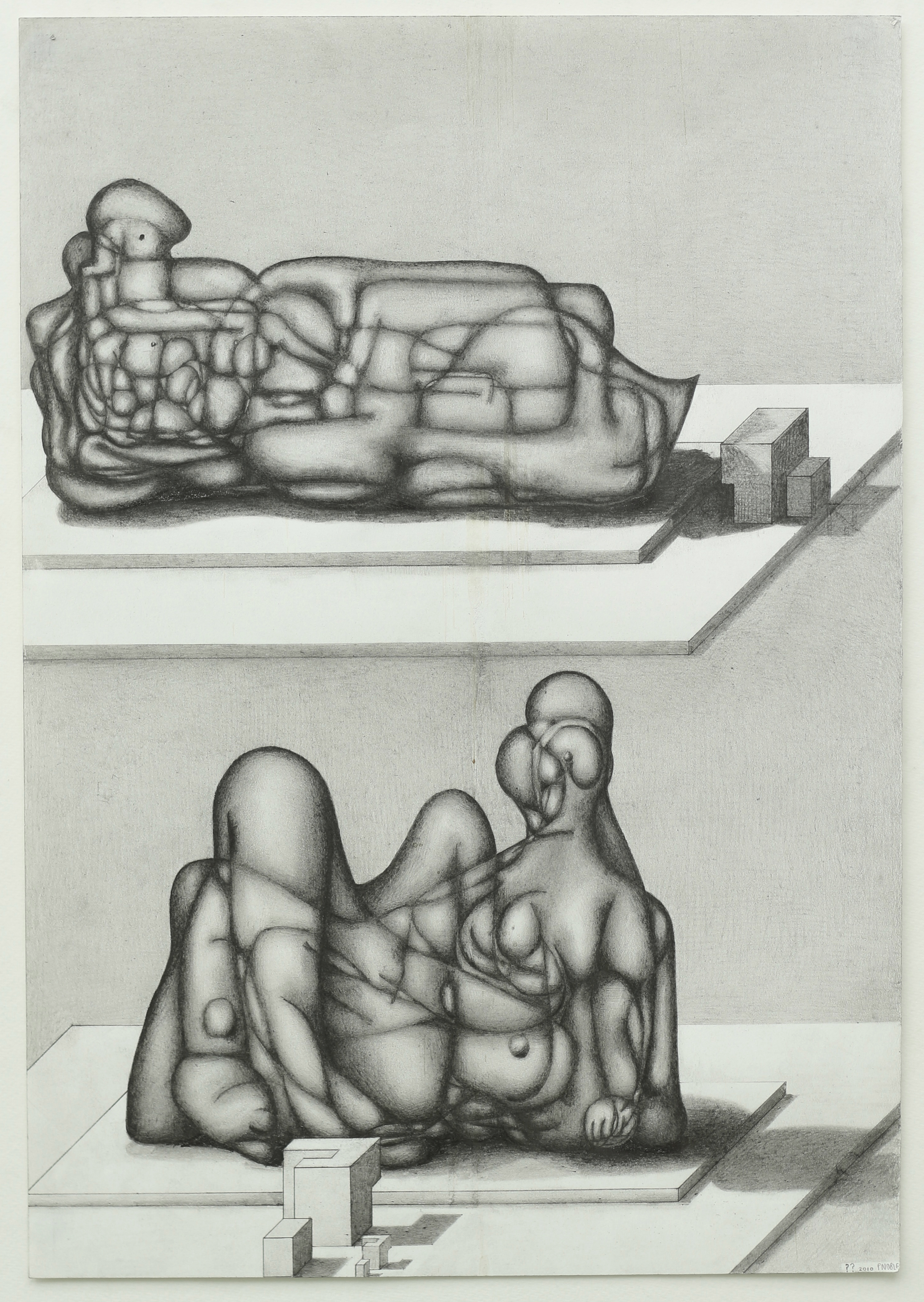
Paul Noble, '??', 2010, Pencil and stain on paper, 35x50cm, Courtesy the artist
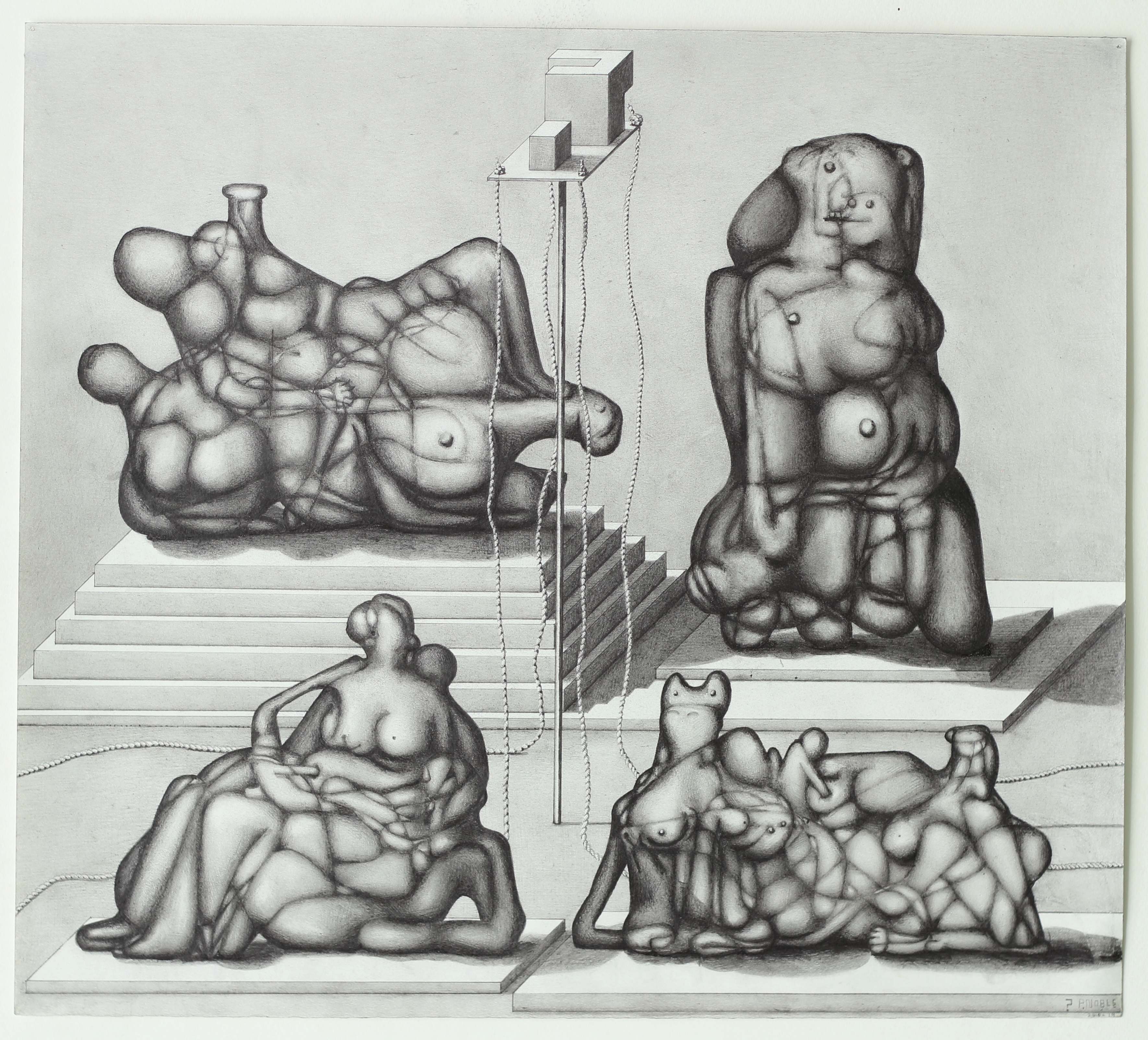
Paul Noble, '?', 2010-19, Pencil on paper, 50x44,5cm, Courtesy the artist